Our 2023 garden: spinach and alternative lawn mix

My daughters were out early, taking care of some planting for me, so here are some “after” pictures. 😊

The first area they worked on were the bald patches in the maple grove.

These are where the branch pile we got chipped last summer had been sitting for about four years. The first thing they did was use the thatching rake to break up and loosen the soil, then raked it smooth. For the patch in the foreground, they made sure not to get too close to where we’ll be digging a trench to replace the water line from the house to the garden tap. I ordered two packets of alternative lawn mix, which they sowed and watered and tamped down. From the website:

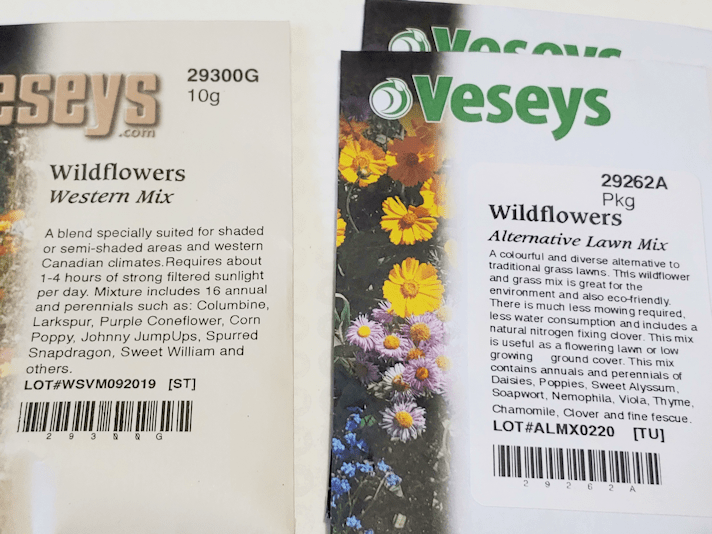
This mix contains annuals and perennials of daisies, poppies, sweet alyssum, soapwort, nemophila, viola, thyme, chamomile, clover and fine fescue. 

Hopefully, they will not only fill in the bald patches, but will also naturally spread themselves in the maple grove, and maybe choke out the bell flowers that have been so invasive here!

In the time it took me to finish feeding the outside cats and switching out the trail cam memory cards, not only had they finished this area, but they finished planting the spinach, too!

The only thing left to do by the time I came out was to add the floating row cover. I bought a couple of these from a dollar store to try out. I’m not sure we’ll get more. It seems very fragile. At some point, I should buy a whole lot of tulle fabric. For the spinach, however, it’s more about keeping the critters from eating them than for insects. I just hope the cats will stay off of it. Otherwise, we’ll have to add hoops. I’m still shooting to build proper covers for these beds soon, but I don’t know when I’ll be able to pick up the lumber I need, so this will do until then!

The next cool weather crop I need to get in is at least one variety of bread seed poppies. I keep forgetting about them! I’ve decided to clean the vine off the chain link fence and put them in the bed we unsuccessfully tried to grow white strawberries in, last year. That can be the permanent spot for one variety. The other cool weather crop we can get in this early are peas, which will be planted along the chain link fence where we had tomatoes last year.

After that, things will need to wait until closer to our last frost date, so we’ll have time to prepare and finish more beds.

It feels so good to be able to get stuff into the ground!

Oh, and I got my first shipping confirmation from Veseys, for the smaller order that got processed a couple of days ago. It is our 3 pack of raspberries!

Royalty raspberries; image belongs to Veseys.

The expected delivery date is May 8, but I wouldn’t be surprised if they arrived earlier. I look forward to getting shipping notices for the apple, mulberry and potatoes!

The Re-Farmer

Our 2023 garden: Veseys order placed – potatoes and more

Yes, I have gardening on my mind!

Among the things we were talking about ordering that will be delivered in the spring were potatoes and, potentially, raspberries.

It seems we weren’t the only ones that had a bad growing year in 2022, because the potatoes I was looking for were simply not available. However, Veseys has potatoes again, and so I placed another order with them.

Among the items we have ordered before, we are getting the Purple Peruvian Fingerlings again. We were really happy with them, in their grow bags, two years ago. They come in 2 lb packages, so we ordered two of them.

I am also ordering a couple of seed mixes from them that we ordered before (and using the coupon code from Maritime Gardening saved me the shipping costs!). I ordered two each of the Alternative Lawn Mix, and the Western Mix Wildflowers. The areas we had planted them, in the fall of 2021, got flooded in the spring, and nothing came of them. With so many wood piles chipped, we now have areas of bare ground that I would like to seed before they get taken over the invasive weeds again! Two of those areas will get the alternative lawn mix. The third does get accumulated snowmelt nearby in the spring, but should be fine to plant in. That area is next to our budding food forest, and will be good for attracting pollinators.

The seed packs will be sent right away, but the rest will be sent in time for planting in our zone 3.

Here are the new varieties we are going to be getting. All images belong to Veseys.

These are Red Thumb fingerling potatoes. They are noted for their delicious flavour. Unfortunately, there isn’t any information about how well they store over winter. These come in 2 lb packages, so we ordered two of them.

These are Irish Cobbler potatoes, an early variety also noted for their exceptional flavour. They come in a 3 lb pack, and we ordered just one of them.

These last ones are for our food forest. Royalty Raspberries. They come in packages of three, and we ordered just one package to try them. They are a late maturing variety, hardy to zone 2. So far, everything we’ve tried that’s purple has done really well for us, even in poor growing conditions, so I’m hoping the trend continues! These will produce fruit in their second year, so as long as we can keep them alive this year, we should have purple berries to try, next year.

There are still other things we will want to order for spring delivery, such as replacement sea buckthorn. We’ll just have to be careful to set aside the budget for them as we place the spring delivery orders, because we’ll be charged for them all at once, when they’re shipped!

This year, I’m happy to have several items, with different maturing rates, added to our food forest. The raspberries for production next year, apples that should start producing in 4 or 5 years, and the zone 3 mulberry trees that should take a few more years before they begin producing berries, as we will be getting 2 smaller, younger seedlings, instead of the 1 larger, older seedling they normally would have shipped, but are not available.

Little by little, we’re getting to where we want to be!

The Re-Farmer

Analyzing our 2021 garden: the odd stuff

Since we ordered SO many things for this year, and expanded how much space we were gardening in, I decided to go over groups of things in separate posts, in no particular order and spread over the next few days.

There were a few things we planted this year that we won’t know how they will do until next year, at the earliest!

The first of these are the wildflower mixes.

Now, what we should have done, under better circumstances, was clear out our chosen locations of all roots in the fall, loosen the soil, then plant the seeds in the spring.

Ha!

No.

We just don’t have the equipment for that. Especially for the areas we would be planting them.

This is one such area.

Can you imagine going over this with a tiller, then clearing out all those roots, as recommended? Especially since there are a lot of tree roots in here; I had to go over the area and cut them away before I could mow it.

This is outside the property, and technically not our responsibility to keep clear, but my family has kept it from getting overgrown for as long as I can remember. Inside the fence from here is where we had our corn and sunflower blocks this past summer.

This is where the package of Western Mix seeds went. They didn’t get broadcast until there was no possibility of early germination. Normally, that would probably have been around mid September, but it ended up being at the start of November! I put the seeds in an old bulk-size spice shaker with some soil, gave it a shake to make sure they were well mixed in with the soil, and scattered it not far from where we had just installed the new sign. In the photo, that would be basically right where I was standing to take it. I didn’t want to spread the seeds too close to the fence line, so we wouldn’t be walking on flowers while tending to the fence.

In theory, when the snow melts in the spring, they will germinate and this area will have wildflowers growing in it. The purpose is to attract pollinators, and to make it so we no longer need to mow here at all. The ultimate goal is for almost this entire area, all the way to the driveway, to be filled with native wildflowers.

We shall see how it works, some time in the spring!

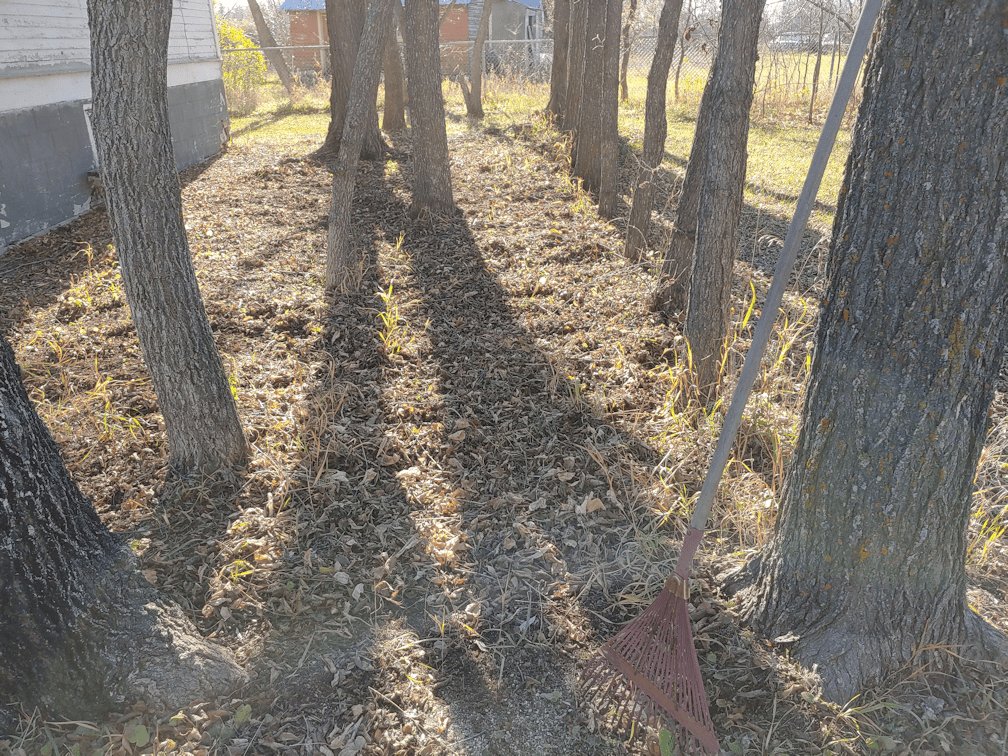
This is where the alternative lawn mix went. The area was raked clear of leaves, raked again to loosen the soil (it’s almost bare soil in between the rows of trees, with some crab grass trying to grow in it), the seeds scattered the same way I did with the Wildflower mix, then the leaves were returned as a mulch.

As with the other seeds, I expected to do this in the middle of September, not the beginning of November.

Hopefully, when the snow melts and the soil warms up, we’ll have all sorts of things growing here. If it works out, we’ll get more of these seeds and use them in other treed areas that are difficult to maintain, but we don’t want to leave to become overgrown again.

Then there are my Christmas presents from my husband.

Fungi!

More specifically, spores for morels and giant puffballs.

Morel mushrooms are native to the area, but I have never seen any in the home quarter. I remember finding them in the unoccupied quarter that is rented out for pasture, even though it’s probably at least half trees, plus a pond and marshy area. It’s highly unlikely we’ll have a chance to go morel hunting out there, so being able to inoculate an area inside our yard is definitely preferable! This location was chosen because the instructions recommended several different types of trees to spread the spores under, but the only one that grows here is elm. After checking out a number of videos on how to grow morels, I built this bed for it, with carboard to keep the crab grass out, and inoculated layers of wood shavings and hardwood pellets.

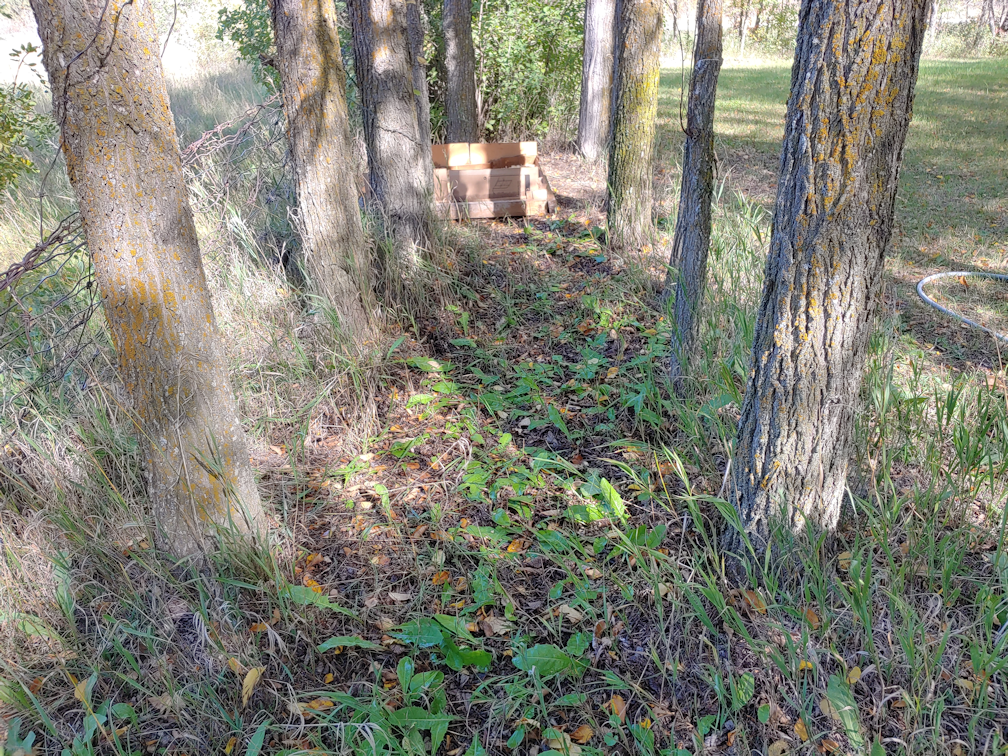
The spores for the giant puffballs needed a couple of days in water with molasses first. The instructions said to pour the liquid over grass, and I chose this area between the rows of elms, because it’s not easy to mow or keep clear.

Puffball mushrooms are also native to our area, though I’ve never seen the giant varieties. These guys are supposed to get so big, you can cut them into steaks.

The thing with these is, we will have no idea if it worked, until something pops up, and that could potentially take years!

At least they didn’t cost much when my husband ordered them on Amazon. Over the years, we plant to get spores from other types of edible mushrooms to inoculate trees and logs. Recently, I went over the wish list I’d made of different mushroom types on Amazon, and the prices are almost 10 times what they were before! I even tried comparing like-for-like by finding the same Morel spores my husband had ordered. The price increase was really shocking!

There are other places to get mushroom spores, however, and I’d rather not order from Amazon, anyhow. Whether or not these work out, I still want to get other types of mushroom spores over the years to try. Types that are either hard to find in grocery stores, or that are just way too expensive to be worth buying.

A very different way to grow food, but a fun one to try!

The Re-Farmer