Our 2025 Garden: tomato seeds potted up, melon seeds pre-germinating

Okay, so working on that pipe is not going to happen today. Pain levels are on the upswing and I know if I try to work on it now, I’ll mess myself up for days.

So, instead, I worked on garden stuff!

The tomato seeds were all showing radicals, with some even starting to show seed leaves. It was time to get them into the seed starting mix.

The first image has the Black Beauty on the left, Spoon tomatoes on the right. Those Spoon tomatoes were really doing well! It’s hard to see, but all the Black Beauty seeds had radicals showing.

The next image has the Sub Arctic Plenty on the right. As a short season variety, it’s no surprise that they germinated so quickly. On the left are the Chocolate Cherry. I was a bit surprised that these were the slowest to germinate. I would have expected the Black Beauty to take the longest, considering they have the longest growing season needed.

I had to moisten more seed starter mix for this job, and I made sure to use hot water for that. By the time the cells were filled and the seeds were being transferred out of their trays, the damp mix was still warm. Warmer than the damp paper towels the seeds were on. Now they’re in the tray along with the Turkish Orange eggplant (there’s 6 visible seedlings there), the luffa (all three have finally emerged) and sweet bell pepper mix (no sign of any of those, yet). The bottom of the tray got warm water, too – I wanted to make sure those square peat pots had plenty of moisture to absorb, so they don’t try out the seed starting mix.

That done, I went through my next batch of seeds and decided to go for it with the melons. The White Scallop seeds were set aside for now, as they can wait until May to be done. I got the containers all prepped and labeled ahead of time, and even got some markers labeled for when it’s time to put them into seed starting mix.

For the watermelon, I used my older Cream of Saskatchewan and Kaho seeds. The Sarah’s Choice melon seeds are also older, but the Green Flesh Honeydew packet is new seeds.

Then there are the Zucca melons. Which are the giants. These seeds, which I made a point of scarifying by scraping their edges with a utility knife, are also older seeds, so I made a point of choosing the plumpest, most solid feeling seeds. Which could have been any of them, really. They were in quite good shape. I started 4 seeds. These are the ones that started out so well last year, only to be decimated by slugs, so any transplants we get out of these are going to require extra protection.

Four seeds each was what I was shooting for; we over did it with melons last year, and I want to cut back. With the Cream of Saskatchewan, there were only 5 seeds left in the pack, so I set them all out. With the Kaho watermelon, there were only 3 seeds left in the pack, so I guess that balances things out!

They all got covered with dampened paper towel, and are now set up on top of the aquarium light fixture. At this stage, they don’t really need light, but they do need warmth. I didn’t want to set up the other heat mat yet, and the light fixture is ever so slightly warm. Not as warm as a heat mat, but warm enough. Once they germinate and get transferred into trays, they’ll get a heat mat. It should be interesting to see how many germinate. Especially with the older seeds.

After this, the next things we might start indoors are some herbs and a few back-up White Scallop squash. Those can be started towards the end of April or beginning of May. I’m hoping we’ll be able to start using the portable greenhouse at around the same time. It really depends on those overnight temperatures inside the greenhouse, as we have no way to heat it. We won’t have the option to use the sun room this year, as the space is pretty much all set up for the cats now!

Ah, well. We’ll figure it out.

It felt good to be able to do some garden related stuff on such a dreary day.

The Re-Farmer

Our 2025 Garden: winter squash progress

I really look forward to those bulbs I ordered to arrive. I’ve received a shipping notice, and they are on their way. I really need more light for the seedlings in the basement!

Here is how the winter squash was looking, this morning.

In the first image, you can see the Baked Potato and Mashed Potato squash are coming up nicely. Still no sigh of the Sunshine squash.

Normally, once seedlings are emerged like this, the tray would be taken off the heat mat. With the basement temperature being so low, I don’t want to take away the one consistent heat source. What I’ve done instead is add a cooling rack – I picked up several at the dollar store to use with my seedlings – on the heat mat, then put the tray on that. This puts a bit of space between the tray and the heat mat, so there is no direct contact, but there will still be at least some warmth from below.

The second image is of the two Arikara squash that are pushing their way through. After taking the photo, I added more water to the tray below (with the heat mat, it dries up pretty fast), I brushed aside some of the vermiculate to get a bitter look. Those seeds leaves are a LOT larger than what can be seen in the photo. They’re also still mostly encased in the seed shells. I’ve left the light on for the day and will check on them later. Hopefully, they’ll be able to shed their shells once the leaves start reaching for the light. Sometimes, they need a bit of help to get the shells off, so the leaves and unfurl.

Still no sign of the eggplant or peppers, but it hasn’t been long enough, yet. I believe both take a week to ten days to germinate in soil, and with the seed starter mix being cooler, even with the heat mat, I would expect them to be closer to the ten days than the seven.

Looking at the long range forecasts, it seems we’ll start having overnight temperatures above freezing consistently, by the last couple of weeks of April. By the end of May, we typically have overnight temperatures consistently at or above 6C/43F At that point, we can start direct sowing cold hardy, frost tolerant seeds.

Once the snow clears away from the garden beds, we’ll be able to start prepping the ones that have not been winter sown. I’m kinda hoping that I can get at the raised bed cover on the high raised bed and bring it around to the front of the house. I want to cover it with plastic, then set it over the winter sown bed in the old kitchen garden. The trick is going to be getting it covered securely enough that the cats can’t push through. The plastic cover will need to be temporary, too. I might need to replace it with netting, to keep the cats out later on. I think we still have some mosquito netting we can use, if we need to keep voracious insects out, too. Most of the mosquito netting we have is attached to the chain link fence over the garden bed, there, rolled up at the tops. They will be stretched out over the beds later, to keep the Chinese Elm seeds from burying and suffocating the seedlings. They can also serve to deter deer. The main problem I found last year is that, no matter how thoroughly I pinned down the bottom edge of the netting, the wind blows it loose, and it ended up fluttering like a sail. The mesh on the mosquito netting is great for keeping bugs out, but the weave is tight enough that the wind can’t blow through very well. The mesh on the other netting we have would work with the wind, but is too open to prevent insect damage.

With the pre-sown bed, we have the sunflowers and a few Montana Morado corn planted. If those survived the winter, they will grow much taller than the fence, to the netting won’t be useable – at least not how it’s set up now – once they get tall enough. We’ll have to find some other way to protect the bed from the deer.

All things to keep in mind over the next few weeks, as we wait for the snow to melt away, and we can finally get started on the garden beds again! One of my priorities will be to set up the trellis posts on the one low raised bed that’s ready for them. I want to be able to use them to trellis pole beans or peas in that bed this year. The other half of that bed is already planted with red and yellow seed onions. There should be space between the onions and the pole beans or peas available for something else, but I haven’t decided what, yet.

We’ll have lots of work to do, and not a lot of time do it. Thankfully the winter sowing – if it worked – will have given us a head start and give us time to work on other things, instead.

I am so itching to get out there and work, but there’s still snow on the ground!!!

The Re-Farmer

Our 2025 Garden: potting up pre-germinated squash

Well, I went and did it. I potted up the very enthusiastically growing winter squash. I even did the luffa. Of all the seeds I started only 1 luffa hasn’t germinated yet, and it still might.

I’ve decided I will go the Costco shopping tomorrow and, while in the city, try and find a second heat mat to put under the winter squash tray. If they’re out of stock… well… we’ll see how it goes!

The Re-Farmer

Our 2025 Garden: pre-germinating squash and starting eggplant

We’re finally starting seeds indoors!

This is so much later than in past years, so we’ll see how it works out. We’re doing things a lot different this year!

While we are going to deliberately aim to have fewer transplants there year, I did plant extra seeds, just in case some don’t germinate. Of course, pre-germinating the larger seeds will make it easier to know if there are any problems with germination. With the eggplant, I used a 10 cell seed starting tray from last year and just filled it. Each cell has two seeds in it, though I think the very last seed I planted was actually two stuck together. Way more than we need, but we’ll see what the germination rate turns out to be.

I don’t plan to start any other seeds until the first week of April. Hopefully, some of the winter squash will have started to sprout before then, and can be planted. I am a bit concerned about the heat mat, though. It didn’t feel any warmer, by the time I left. I need to check it again later. It might not be working!

Okay, I just dashed down to the basement (… well… “dash” may be a strong word to use for me. 🤣) and checked, and yes, the heat mat IS working! I hope it’s got enough heat. The basement seems to stay at about 10C consistently right now.

This is way different than using the big aquarium as a greenhouse!

Well, we shall see how it works out. Worse comes to worse, I will sacrifice the heater in my bedroom!

The Re-Farmer

Our 2025 Garden: MI Gardener seed order in (video), and decisions to make

I didn’t expect to be recording another seed haul video quite so soon! Our MI Gardener order came in today, though, so here we are.

I actually ordered these a full 10 days before the seed order that came in yesterday. It does take a while when things have to cross the border!

After this, I have just one more seed order to come in, with just two seed packets (the rest of the order are trees and bushes that will be shipped later; probably in May). One of those seed packets are a mix of mini bell peppers that I want to try, and I plan to start those indoors, even though they are short season peppers.

So, from among the seeds that came in today, I plan to start the eggplant, honeydew melon and possibly the luffa. If I’m going to do the luffa, I need to start those right away. For direct sowing, I will have the red noodle beans and sugar snap peas, with the carrots and spinach as back up seeds if our winter sowing experiment fails, while the sugar beets will be for next year.

From the seeds that came in yesterday, the Cream of Saskatchewan watermelon will be started indoors. I’m still debating whether to try the Arikara squash this year or next year. I’m leaning towards next year, since we will have three varieties of winter squash to try this year. For direct sowing, we have the super sugar snap peas, plus the white scallop squash as back up seeds, if the winter sowing fails, and the Yukon Chief corn is for next year.

When the Veseys seed order comes in, we will have the mini bell peppers to start indoors.

Aside from that, I will be starting my last Spoon tomato seeds indoors, a cherry or grape tomato, plus a slicing tomato. I will let the family choose which they would like. No paste tomatoes this year, since we still have so many buried in the freezer. I will also make some decisions on what herbs will be started indoors. There’s the other variety of watermelon I plan to start, and possibly one cantaloupe type melon.

I’ll have to be careful of how many things I start indoors, since we will have limited space – if the winter sowing experiment works – and I have other direct sowing things I want to grow. Last year, we had such high germination rates on the winter squash, melons and tomatoes that, by the time they were all transplanted, there wasn’t much room left to direct sow anything! So I will need to keep that in mind when I decide how many seeds to start from each. Plus, we need to keep space open for potatoes, and I’d like to plant more this year than we did last year. Seed potatoes are starting to show up in the stores, so I will likely pick them up sooner rather than later, and store them in the root cellar until it’s time to plant.

A lot of the direct sowing decisions will depend on just how well the winter sowing experiment did, and we won’t know that until probably mid May, or even early June!

We shall see, when the time comes.

The Re-Farmer

Our 2025 Garden: Vesey’s order for the food forest

Okay, after going through their website more, I made some decisions and placed an order at Vesey’s. It was mostly for our future food forest, but I did order a couple of seed packets so I could take advantage of a promo code for free shipping.

As I was preparing to write this post, however, I got a phone call.

From home care.

Guess who has to go to my mother’s again this evening, to do her med assist?

Two nights in a row. Apparently, someone just called in sick.

My mom is going to be furious.

*sigh*

I will just have to deal with that, later.

Meanwhile, here is what I ordered today. (Links will open in new tabs)

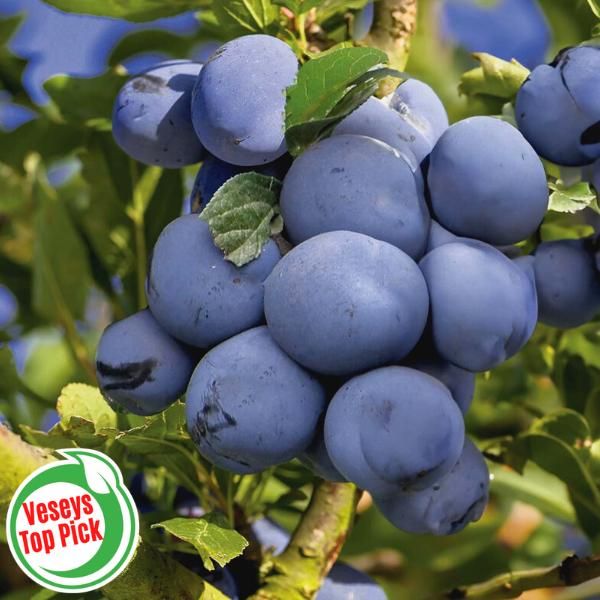
These were the one thing we absolutely wanted to get this year. The Opal Plum tree. The description from the website:

Prunus spp. Opal stands alone as the hardiest European type Plum available on the market. It is vigorous, productive and self-fertile. Even in short summer seasons, the fruit will reliably ripen. The plums are round, red-purple with a golden flesh and have a complex and sweet flavour, fresh or dried. Hardy to zone 3. We ship 18″ trees

The key points were that it is self fertile, so we don’t have to plant it next to our dying wild-type plums, but can plant it in the section we’ve designated for a food forest. It’s hardy to our zone, so we don’t have to do like we did with our zone 4 Liberty apple, and tuck it into a sheltered area. (Hopefully, it survived the polar vortexes we got this winter!)

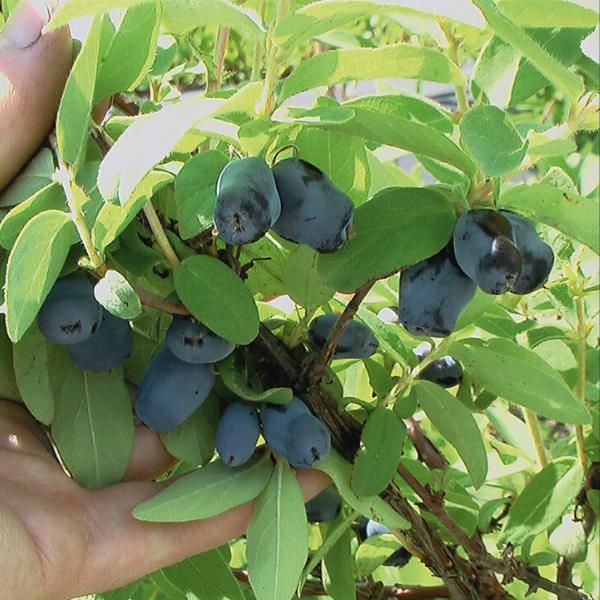
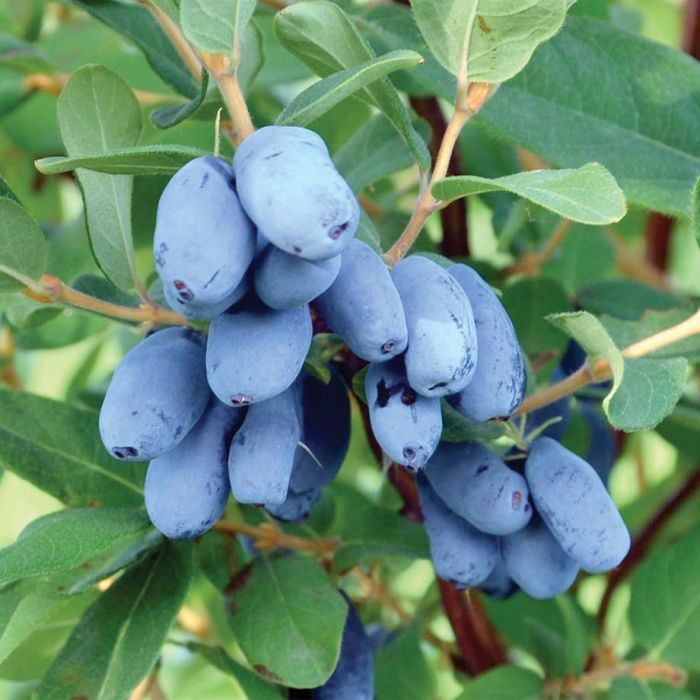
I decided to also order some more haskaps. We already have three, but they have not been doing well at all. While I should probably transplant them, I’ve decided to get a couple more that will be planted in the food forest area, this time.

This first one is the Aurora Pollinator variety.

The second is Boreal Blizzard, an early producing and largest fruit variety.

We currently have “Mr” and “Mrs” haskap varieties, where are sold as cross-pollinating varieties. The “Mr” is an Aurora, and seems to bloom too early to pollinate the “Mrs.” variety, so I am hoping that the early Boreal Blizzard variety will work out better.

If these haskap do well, that will confirm that the ones we have now are not producing because they are in a bad location. Which I am 99% sure of, but it really is a good location – for us!

To use the free shipping promo code, I needed to have at least one packet of seeds.

I had been looking at these last night, while planning my order, but they were listed as sold out. This morning, they were back in stock! So I snagged them.

This is the Sweetie Snack Mix of small sized peppers. They have a short growing season, too, so they should work out. I think my family might like them better than the larger bell peppers we’ve been trying so far.

Last of all, I got some flowers for the girls. 😄 The Jet Black Hollyhock. These are pollinator attracting biannuals and should be self seeding, so we will plan out where to sow them with that in mind!

There we have it. Another order in for our 2025 garden, and our food forest.

The grand total for this, after tax, came to $137.08, however we will only be billed for the seeds when they get shipped in the next day or two. The sapling and haskap plugs will be shipped closer to our last frost date of June 2, and we will be billed for those, then.

The flower seeds were not that expensive, but that packet of mini peppers cost $8.75, with only about 20 seeds in the pack. That’s almost 44¢ per seed!

Still cheaper than buying them at the grocery store, but what a huge leap in prices for vegetable seeds! During the illegal lockdowns, with people panic buying and prices going up and up and up, so many people decided to try growing their own food, a lot of seed suppliers were completely sold out. They are still recovering from that. I know some smaller Canadian seed growers had to back out of the consumer market completely and only sell commercially in bulk. Add to this, in the years since, more people are trying to grow their own food because the grocery prices have gotten so high. That increased demand puts a major stress on supplies, too. Which is why I’m seeing the cost of vegetable seeds skyrocketing, while the number of seeds in the packets are going down, but not with flower seeds. I haven’t been looking at herb seeds lately, so I don’t know how they are doing for pricing.

With this order in, the next thing we’ll need to decide on is what variety of potatoes we want to grow and where. Anything beyond that is just gravy.

Or back ups if the winter sowing fails!

The Re-Farmer