Today, it was time to transplant some of the squashes we started from seed indoors.
I am really hoping we’re not jumping the gun, here, but many were outgrowing their Jiffy Pellets and really needed to get in the ground. In the future, for things that need to be started so early indoors, I am thinking it would be better to go straight into 4 inch pots, instead. That would give a more flexible timeline for getting them in the ground.
In going through the seedlings to see which ones had their true leaves and were ready to transplant, I counted out 16 in total, so I decided to do two rows of 8. I think most of them – at least the largest ones – are from the zucchini surprise mix, but after the trays got knocked over yesterday, they are all going to be a surprise! :-D
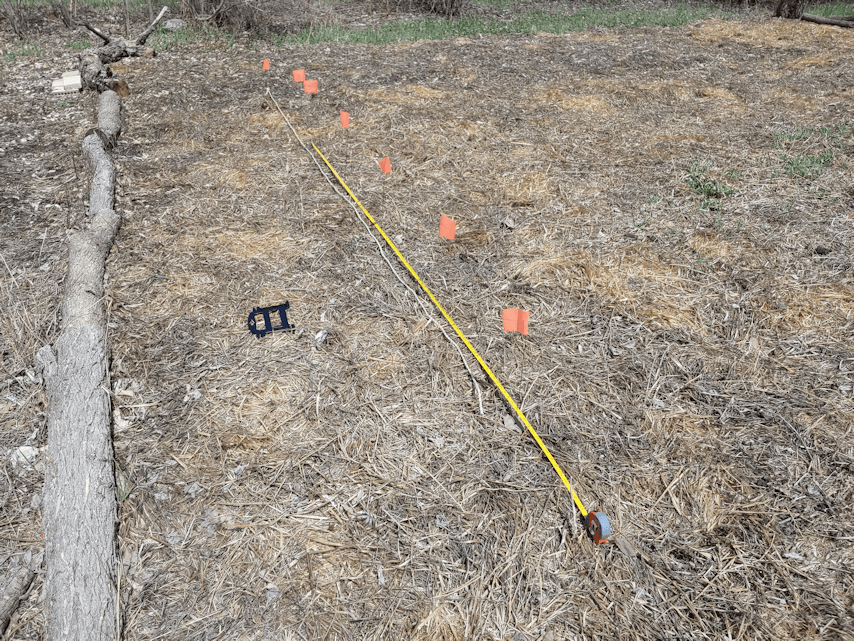
I used flags I picked up at the hardware store to mark the first row at 2 feet apart.
Though we mulched the area last summer, and the soil has improved quite noticeably, we are still dealing with lots of rocks and a soil in need of amendments. Several times, when placing the flags, I hit rocks and had to poke around to find somewhere I could push the wire in. We needed to figure out a way to get around that, and this is what I’ve come up with.
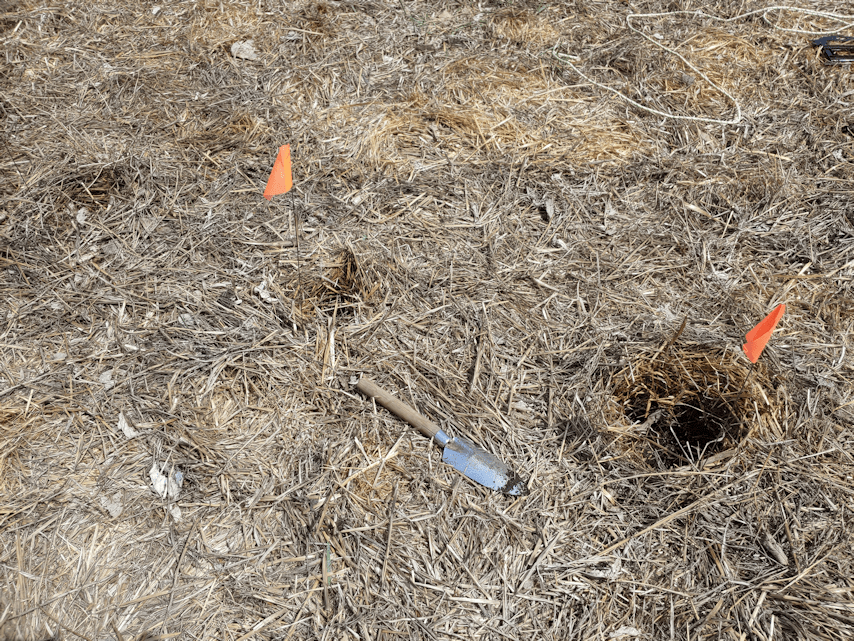
The first step was to open a hole in the mulch to the surface of the soil (removing any rocks I found in the process.
I also prepared a soil mix.
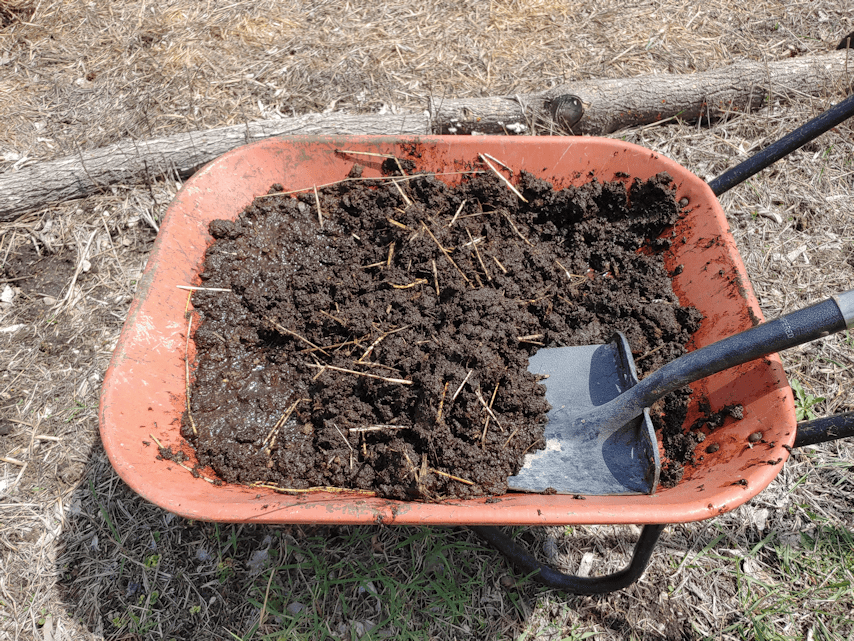
The wheelbarrow still had some straw on the bottom that I didn’t bother taking out when I dumped in a bag of garden soil I also picked up at the hardware store (only because they were on sale! *L*) and a couple of spade fulls of peat. This got mixed together with plenty of water. The dry peat was actually being blown away by the wind while I mixed! It took a while to get it wet enough for the next step.

Into each opening I made in the mulch, I added a spade full of the soil mixture. Then a hole was made in the middle of each one for the transplants, with more water added as well.

Each squash was then transplanted and secured in their own little “hill” of soil mix.
Then I mixed some more soil and peat and repeated the process for the next row, which was made about 2 feet away from the first.
Which was when I discovered I had 2 extra seedlings! LOL So I added them to the ends of the rows, taking a little bit of the soil mixture from each of the other plants, to transplant the extras into. So we now have a total of 18 surprise squashes transplanted.
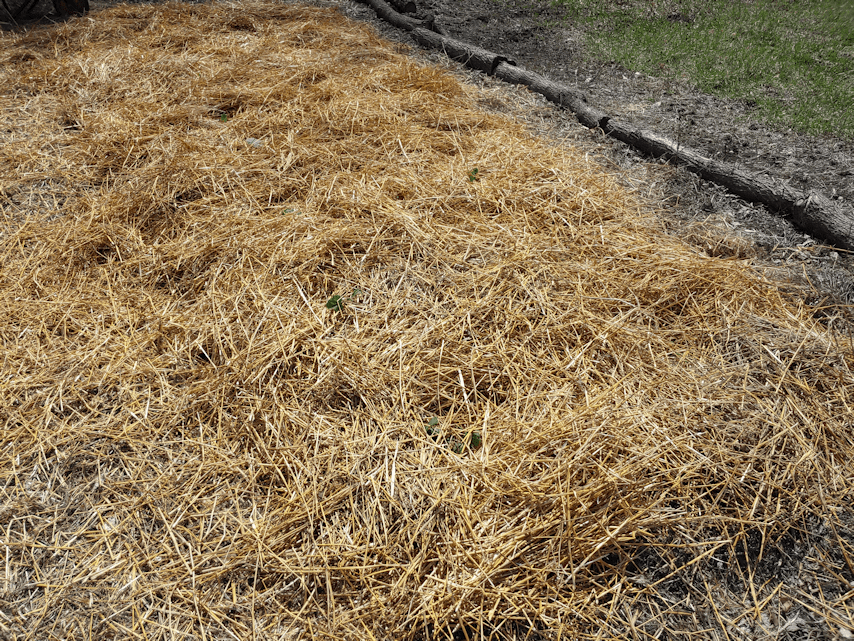
Once both rows were planted, they were mulched with more straw. When we add a trellis, it will go between the two rows.
After the straw was placed – with the wind trying to take much of it away! – I gave the bed a fairly thorough soaking, to dampen the straw. Not too much, as I didn’t want to shock the transplants with cold water in this heat! I will set up a sprinkler over it this evening. Unless the predicted showers make it to our area. It’s been quite a hot day, and the rain will be most welcome.
When I was done and inside the house, I checked the weather. My phone app said it was 18C, (“feels like 18C”) (46F).
They lie.
I checked the app on my desktop and it said we were at 26C, with a “feels like” of 28C (79 and 82F). That was certainly the more accurate one!
Our barometer agrees.
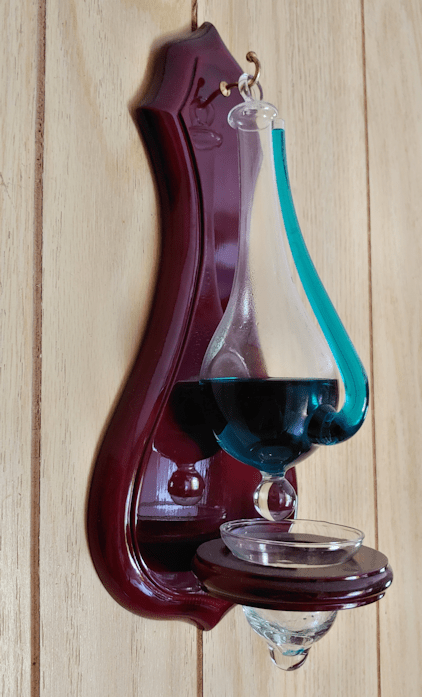
Since we cleaned this out and refilled it, I have never seen it this high!
We had thunderstorms predicted for the next couple of days, but now those have been pushed back to Sunday. Whether the storms reach us is always touch and go, but I’d like to find some way to cover the transplants, if we do. The straw will protect them, but only so much.
Meanwhile, we’ll be keeping watch on what’s left in the seed trays. We won’t be transplanting as much as we hoped, but right now the only thing I’d say is a total loss is the fennel. I still have hopes for the gourds to emerge! Not that I’d be able to tell which ones they are at this point. :-D
Still, I hope we’ll have a couple more rows of squash in this garden bed by the end of the month. Tomorrow, however, the plan is to get the sunflower seeds in. :-)
We shall see if planting them in their own little islands of soft, stone-less soil will work!
The Re-Farmer


 The Re-Farmer