Well, it has stopped snowing – for now. We’re supposed to get a brief snowfall again later this evening.
I am so glad we got our first stock up shopping trip done yesterday. I got a call from home care saying there wasn’t anyone to do my mother’s med assist in the evening, due to unsafe road conditions. !!! The problem is, if the road conditions are too unsafe for the home care worker to drive to my mother’s town, it would be equally unsafe for me or my siblings to do it. After explaining the situation to the shift supervisor that called me, she said she would look into things can call me back. Thankfully, they were able to find a home care worker that didn’t have to drive into my mother’s town, and could juggle schedules so she could do my mother’s two evening med assists.
While waiting for her to call me back, I checked the road conditions, just to be sure. Our provincial government website for road conditions is notorious for not being up to date, so when I saw it listing our highway was “partially snow packed”, I checked a local highways group on FB. Some people had made the drive on the highway I’d be taking and things were certainly not very safe. Our gravel roads, of course, have not been plowed yet, but I did see cars driving past our place. The danger isn’t so much the snow, but that it’s snow on top of ice from our recent warm weather melting things all over.
So I was very, very happy and thankful when I got the call back saying they’d found a way to get my mother’s med assist done!
What better way to spend my time when it’s too snowy to do anything outside, besides shovel?
Work on garden stuff, of course.
With the basement being as cold as it is, I headed down to get the heater going and seeing what I could do to prepare for potting up the pre-germinated seeds. Premoistening the seed starter mix works great, but it has resulted in the mix being far colder than if it were dry. I set things up so that the heater was blowing right over my giant metal mixing bowl to help warm it up, along with the rest of the room. Then I checked on the seeds.
They are looking great! We have a near 100% germination rate!
In the first photo, we have the Sunshine squash. It’s hard to see on a couple of them, but yes, all four of them have radicals emerging. The other, with six seeds, are the Mashed Potato squash. It’s hard to see with some of them, but they have all germinated.
In the second photo, you can see that all three Arikara squash have germinated. The five seeds are the Baked Potato squash, also all germinated.
Next are the luffa, and so far, two of four have germinated. I would not be surprised if the last two also germinated by tomorrow.
In the last photo, I have a large-celled tray prepared and set up in front of the heater to pot all but the luffa into. That will leave three empty cells.
I might have to invest in another heat mat, though. That little heater can only do so much in such a big room! We don’t have any bigger heaters. The basements are not heated. The old basement is where the furnace is and it actually does get warmer. I considered setting up in there, but it doesn’t have enough outlets available to plug in a heat mat or grow lights.
For now, in the tray I’m using to hold the seed starts now, I made sure to add warm water to the base for the eggplants and peppers in peat cells. With the heat mat, the peat was drying out, which would draw moisture out of the seed starter mix, so I have to made sure those stay damp. The heat mat would also keep the water in the tray warm, which helps. The luffa will be potted up into individual peat pots, since they will be transplanted into large pots in the little portable greenhouse we got, while the winter squash will go into various garden beds. The luffa pots can go back to the tray the eggplant and peppers are in and will stay warm, but the second tray with the winter squash is going to need to be warmed up as well.
I should be able to get a second heat mat in town, but there’s no going anywhere today. Possibly tomorrow, if road conditions are improved. Otherwise, Sunday would be the earliest.
The seeds should be okay in their damp paper towels for now. Even if the first leaves start to emerge, they can be potted up. I just don’t want them to pot them up, only to get killed off by cold!
Well, we’ll see how it works out over the next couple of days.
While I was out and about today, I found myself standing in line at the grocery store, right near a seed display. So, of course, I went looking.
Yeah. I bought more seeds.
In going through my seeds, I was thinking of what slicing tomato to grow this year. I had decided on doing the Spoon tomatoes, and will make a point of saving seeds from those, but for the family, I wanted a slicing tomato and a snacking tomato. I saw the two varieties of black tomato seeds we grew a couple of years back, and somehow completely missed the packet of Forme de Couer tomatoes (I think it was stuck to the back of another seed packet) that we grew last year. The black tomatoes took such a long time to mature, I figured it was worth getting these to try.
Sub Arctic Plenty tomatoes, which need only 40-59 days to harvest, after transplanting outdoors. In the next photo, you can read that this variety was developed in Alberta specifically for our prairie climate, is a determinate tomato and does not need staking.
The “It grows here” guarantee is a nice touch.
Well worth the try. Hopefully, it will even taste good.
After I finished doing my evening rounds early and tending to the new mama in the sun room, I got my daughter to help me take some things to the basement, then we went through the packets of tomato seeds together, so she could help choose one more variety.
We ended up with two.
For a snacking tomato, I’ll start some Chocolate Cherry tomatoes. My daughter, however, spotted the packet of Black Beauty tomato seeds. While these took forever to ripen, and had a tendency to split like no other tomato we’ve grown, she says they were the most delicious tomatoes we’ve grown to date.
So we will have two types of slicing tomatoes. One short season variety and one long season. Depending on how things work out, the Sub Arctic Plenty tomatoes should be done and harvested just in time for the Black Beauties to start ripening.
That makes four varieties of tomatoes we will be growing this year, and I will make sure to NOT start too many seeds! With the different places we’ve tried tomatoes before, I have a better idea of where I will transplant these. Most definitely not in the blocks along the chain link fence, for starters! I figure I will shoot for four transplants of each variety. That should be enough for out needs, since we will not be freezing or canning any tomatoes we grow this year.
Either tonight or tomorrow, I will head back into the dungeon and set some seeds up to pre-germinate. The tomatoes will wait until the first week of April, but there are other things I can start now.
I have decided to go ahead and try the luffa again, after all. They will get transplanted into large pots and be kept in the new portable greenhouse we got for the entire growing season.
I will also start pre-germinating seeds for winter squash, but I think I’ll sow the Turkish eggplant right away into seed starting mix, rather than pre-germinate them. I don’t feel like pre-germinating smaller seeds. I will pre-germinate the melon seeds, but not until April.
I didn’t expect to be recording another seed haul video quite so soon! Our MI Gardener order came in today, though, so here we are.
I actually ordered these a full 10 days before the seed order that came in yesterday. It does take a while when things have to cross the border!
After this, I have just one more seed order to come in, with just two seed packets (the rest of the order are trees and bushes that will be shipped later; probably in May). One of those seed packets are a mix of mini bell peppers that I want to try, and I plan to start those indoors, even though they are short season peppers.
So, from among the seeds that came in today, I plan to start the eggplant, honeydew melon and possibly the luffa. If I’m going to do the luffa, I need to start those right away. For direct sowing, I will have the red noodle beans and sugar snap peas, with the carrots and spinach as back up seeds if our winter sowing experiment fails, while the sugar beets will be for next year.
From the seeds that came in yesterday, the Cream of Saskatchewan watermelon will be started indoors. I’m still debating whether to try the Arikara squash this year or next year. I’m leaning towards next year, since we will have three varieties of winter squash to try this year. For direct sowing, we have the super sugar snap peas, plus the white scallop squash as back up seeds, if the winter sowing fails, and the Yukon Chief corn is for next year.
When the Veseys seed order comes in, we will have the mini bell peppers to start indoors.
Aside from that, I will be starting my last Spoon tomato seeds indoors, a cherry or grape tomato, plus a slicing tomato. I will let the family choose which they would like. No paste tomatoes this year, since we still have so many buried in the freezer. I will also make some decisions on what herbs will be started indoors. There’s the other variety of watermelon I plan to start, and possibly one cantaloupe type melon.
I’ll have to be careful of how many things I start indoors, since we will have limited space – if the winter sowing experiment works – and I have other direct sowing things I want to grow. Last year, we had such high germination rates on the winter squash, melons and tomatoes that, by the time they were all transplanted, there wasn’t much room left to direct sow anything! So I will need to keep that in mind when I decide how many seeds to start from each. Plus, we need to keep space open for potatoes, and I’d like to plant more this year than we did last year. Seed potatoes are starting to show up in the stores, so I will likely pick them up sooner rather than later, and store them in the root cellar until it’s time to plant.
A lot of the direct sowing decisions will depend on just how well the winter sowing experiment did, and we won’t know that until probably mid May, or even early June!
I decided to try doing a short video showing my little seed haul that came in the mail today.
The free seeds that came with the order were Bushy Cucumbers, so I went to look them up.
From the website:
A Russian heirloom that was introduced by Seed Savers Exchange and grown in Dacha gardens near Moscow, Russia. Productive and early tolerating cooler nights better than others! Great for pickles! Vines grow to 5 feet long. (45-50 days to maturity)
So, a pickling cucumber and, looking at the days to maturity, these can be direct sown, rather than started indoors.
I will make decisions on what we will be direct sowing after I get an idea of how the winter sowing experiment turned out, and see what growing space we end up having. If the winter sowing experiment failed, we’ll have lots of room!
Today, started bringing seed starting supplies to the basement, and went through some of my seed inventory for potential seed starts.
In past years, I would have had all sorts of seeds already started. Things have changed a lot with our winter sowing experiment. We have quite a variety of seeds already planted, taking up quite a few beds, which I need to plan around. I’m not going to assume we will have any new beds ready to plant in for this year, and will just focus on what we have ready right now.
With that in mind, here is a video I took while going through my bin of seeds that would be started indoors.
I won’t actually start seeds indoors until at least a week from right now, with some things to be started in April. That should give enough time for my seed orders to come in. Aside from a few varieties of winter squash, herbs and tomatoes I want to start, we will have the new varieties of eggplant, mini bell peppers and a honeydew melon I want to try this year. This time, I will not start as many seeds of each for transplanting this year! Last year, I had not expected to have 100% or near 100% germination rates on so many seeds. We had so many things to transplant, there wasn’t much space left for direct sowing.
I have decided I will go to a Walmart tomorrow to pick up a few things, and will pick up some seed starting mix while I am at it.
I forgot that the aquarium light with the timer on it has a bulb that needs to be replaced; this fixture holds two bulbs. For now, I have brought down the fixture with one larger bulb that came with our big tank. Meanwhile, I’ve placed an order from Veseys for a pair of 4 foot T5 bulbs. I’d had a hard time finding the right bulbs elsewhere and, when I did find them, they were shockingly expensive. Veseys had the best price I’d found, even taking into account the extra shipping cost for bulbs, but by the time I was ready to order them, the size I needed was sold out, and then I simply forgot about it. So those are now ordered and should be on their way soon.
The first day of spring is coming soon. I was planning to do our first “garden tour” video on that day, but I will be going to my mother’s. I might just do it tomorrow, before I head out, instead. We are supposed to have a steep temperature drop, from an expected high of 6C/43F on the first day of spring, to -10C/14F the day after. Things are going to be really slippery around the yard after all the melt! It’s already pretty treacherous in places, while I do my morning rounds.
Anyhow. I hope you enjoy the video. I used a new chest harness my husband got for me to hold the phone I was using to record video. While editing, I did find my voice was a LOT louder than typical when I record video, and had to adjust the audio volume down. When I had to sit down to continue recording, I was concerned things were too close to the camera, but I think it worked out okay, in the end. Please feel free to let me know what you think.
Okay, I did say, months ago, that we did not need to order seeds this year.
I also said that I knew I probably would order more, anyhow! 😄
I’ve placed two orders so far. One was with MI Gardener, and I just got the email notification that they have been shipped. I explain what I chose, and why, in this post. Most are “back up” seeds, in case our winter sowing experiment fails.
I also placed an order with Veseys, but this was more for the food forest. The seeds ordered were so that I could take advantage of a promo code to get free shipping. I explain what I ordered there, and why, in this post.
So, why am I ordering even more seeds?
I mean, besides the fact that I just want to… 😄
Well, this order is with Heritage Harvest Seeds. It’s actually been a couple of years since I’ve ordered from them. They are a small heirloom seed company that is even further north than we are, so as far as climate and growing season goes, I know anything I order from there should grow here.
Another reason is, more back up seeds!
This is what I ordered today. (all links should open in new tabs)
At the top of the list is Cream of Saskatchewan Watermelon. We tried growing these last year, and one one tiny little watermelon out of the only surviving transplant. I want to try them again, but this time give them more dedicated space, rather than having it share a bed with a whole bunch of melons. I do still have seeds left, but they are a couple of years old, so I want to have some fresh seed.
Next is the Arikara squash. This is a variety of winter squash I have been eye balling for years. I chose is specifically due to its rarity, with the goal of saving seeds. From the website description:
Originally grown by the Arikara Indians of North Dakota, This squash is oblong with pinkish orange skin and a green star on the blossom end. The Arikara Indians picked the blossoms and dried them for winter use. A very good storage squash that can be used for soup. (90 days to maturity) Extremely rare.
I may not grow these this year, as I have other winter squash we want to grow, and if I’m looking to save seeds, I don’t want to risk cross pollination. We shall see how things work out.
I also ordered more White Scallop Squash. We had issues growing them in containers last year – they simply did not germinate – but did finally get some in one of the garden beds. By then, it was so late in the season, I’m amazed we had any to harvest at all. The last of the seed went into the winter sown bed with all summer squash. These are back up seeds, in case none survived the winter.
In my MI Gardener order, I did order sugar snap peas. This time, however, I ordered Super sugar snap peas! 😄 From the website:
One of the sweetest and crunchiest snap peas available! The 3 inch pods are delicious eaten raw or cooked and are very productive. A favorite of all who try them! Tall vines to 6’ in height.
If we have the space, I’d like to try both varieties of sugar snap peas we’ll have this year. If we end up with space for only one variety, I’d like to try this one, first.
Last of all, I ordered two packets of Yukon Chief corn. Last year, we had two short season varieties to choose from. Yukon Chief and Orchard Baby. We did Yukon Chief first, due to it’s super short growing season. This year, we will be trying the Orchard Baby. Hopefully, if we can keep the racoons from eating them first, we’ll be able to save seed. We did really like the Yukon Chief, though, so I ordered two packets this time, for next year, and plan to save seed again.
One of the changes at Heritage Harvest is that they now have a $20 minimum order. We’ve never had problems with having our seeds shipped with regular mail, but apparently, others have. Solving the problem meant to have expedited mail with a tracking number, but the extra cost of that only makes sense with orders of at least $20. That brought our final cost to Cdn$36.50
Except it didn’t cost us anything. At least, not anything out of budget.
One of the payment methods is PayPal. This year, we actually got payment for ads on this blog (it took 3 years!), which was sent by PayPal in US dollars. It went into my personal PayPal account, and I left it there, so I used that to pay for this order. Which got converted to US$26.45 at the current exchange rate.
Which worked out quite well, I think.
So that’s what I got today; a combination of things to plant this year, and next year, and back up seeds, if the winter sowing didn’t work.
I have to admit, I had to mightily resist ordering more. They have the Tropeana Lunga onions that grew so well for us when we tried them a few years ago. I was also tempted by the Amish Bottle Onion, simply because of its rarity (and the shape, which I find easier to cut when cooking). I even seriously considered the Yellow of Parma onion, for its excellent storage and up to 1 pound size. We have so many of our own onions seeds, though – as well as seed producing onions – that we may never need to buy onion seeds again. I also want to try the Red Mangel, though that would for a time when we have animals, to grow as feed. There are just so many things I want to try!
This will do for now, though. We have more than enough seeds for this year, and years to come!
We just need to keep expanding the garden beds for now, and grow what we can in the beds we have available now.
Okay, after going through their website more, I made some decisions and placed an order at Vesey’s. It was mostly for our future food forest, but I did order a couple of seed packets so I could take advantage of a promo code for free shipping.
As I was preparing to write this post, however, I got a phone call.
From home care.
Guess who has to go to my mother’s again this evening, to do her med assist?
Two nights in a row. Apparently, someone just called in sick.
My mom is going to be furious.
*sigh*
I will just have to deal with that, later.
Meanwhile, here is what I ordered today. (Links will open in new tabs)
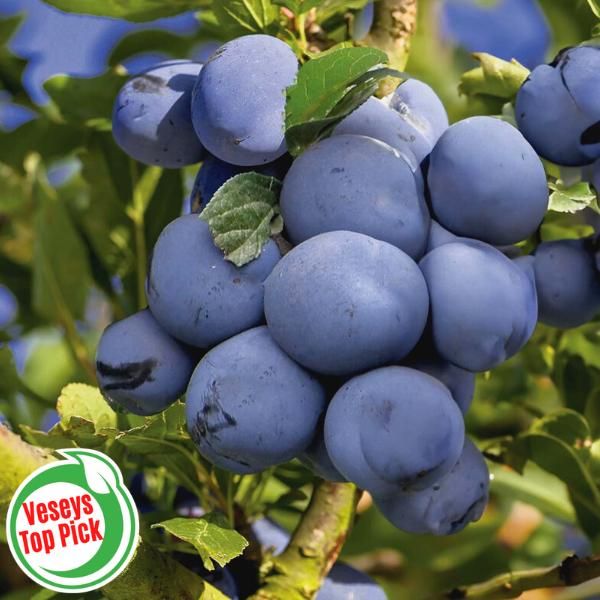
These were the one thing we absolutely wanted to get this year. The Opal Plum tree. The description from the website:
Prunus spp. Opal stands alone as the hardiest European type Plum available on the market. It is vigorous, productive and self-fertile. Even in short summer seasons, the fruit will reliably ripen. The plums are round, red-purple with a golden flesh and have a complex and sweet flavour, fresh or dried. Hardy to zone 3. We ship 18″ trees
The key points were that it is self fertile, so we don’t have to plant it next to our dying wild-type plums, but can plant it in the section we’ve designated for a food forest. It’s hardy to our zone, so we don’t have to do like we did with our zone 4 Liberty apple, and tuck it into a sheltered area. (Hopefully, it survived the polar vortexes we got this winter!)
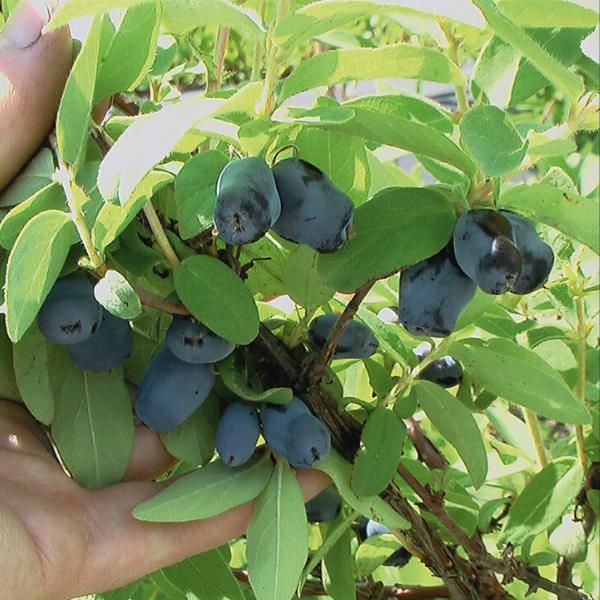
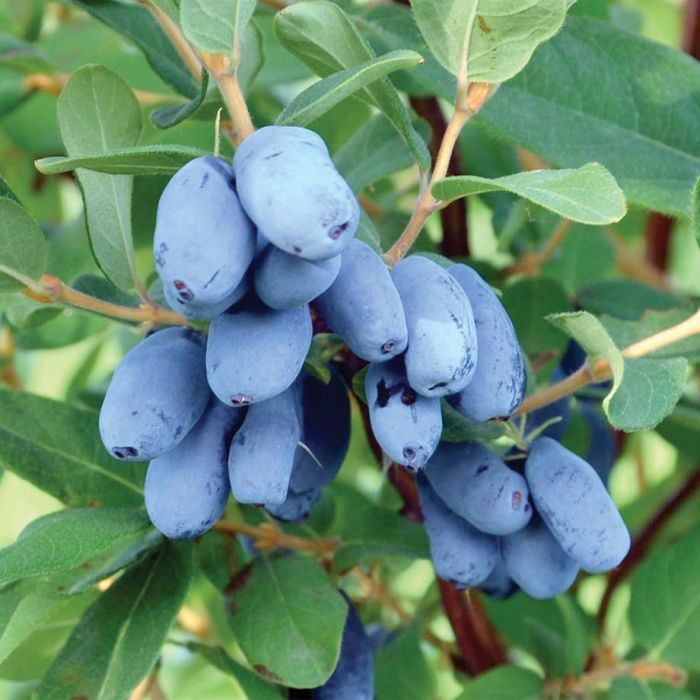
I decided to also order some more haskaps. We already have three, but they have not been doing well at all. While I should probably transplant them, I’ve decided to get a couple more that will be planted in the food forest area, this time.
The second is Boreal Blizzard, an early producing and largest fruit variety.
We currently have “Mr” and “Mrs” haskap varieties, where are sold as cross-pollinating varieties. The “Mr” is an Aurora, and seems to bloom too early to pollinate the “Mrs.” variety, so I am hoping that the early Boreal Blizzard variety will work out better.
If these haskap do well, that will confirm that the ones we have now are not producing because they are in a bad location. Which I am 99% sure of, but it really is a good location – for us!
To use the free shipping promo code, I needed to have at least one packet of seeds.
I had been looking at these last night, while planning my order, but they were listed as sold out. This morning, they were back in stock! So I snagged them.
This is the Sweetie Snack Mix of small sized peppers. They have a short growing season, too, so they should work out. I think my family might like them better than the larger bell peppers we’ve been trying so far.
Last of all, I got some flowers for the girls. 😄 The Jet Black Hollyhock. These are pollinator attracting biannuals and should be self seeding, so we will plan out where to sow them with that in mind!
There we have it. Another order in for our 2025 garden, and our food forest.
The grand total for this, after tax, came to $137.08, however we will only be billed for the seeds when they get shipped in the next day or two. The sapling and haskap plugs will be shipped closer to our last frost date of June 2, and we will be billed for those, then.
The flower seeds were not that expensive, but that packet of mini peppers cost $8.75, with only about 20 seeds in the pack. That’s almost 44¢ per seed!
Still cheaper than buying them at the grocery store, but what a huge leap in prices for vegetable seeds! During the illegal lockdowns, with people panic buying and prices going up and up and up, so many people decided to try growing their own food, a lot of seed suppliers were completely sold out. They are still recovering from that. I know some smaller Canadian seed growers had to back out of the consumer market completely and only sell commercially in bulk. Add to this, in the years since, more people are trying to grow their own food because the grocery prices have gotten so high. That increased demand puts a major stress on supplies, too. Which is why I’m seeing the cost of vegetable seeds skyrocketing, while the number of seeds in the packets are going down, but not with flower seeds. I haven’t been looking at herb seeds lately, so I don’t know how they are doing for pricing.
With this order in, the next thing we’ll need to decide on is what variety of potatoes we want to grow and where. Anything beyond that is just gravy.
Okay, I wasn’t really planning to buy more seeds this year. Not exactly.
With our winter sown beds, which are detailed in the video below, we actually have a lot already planted for this year’s garden…
… that’s IF they survived the winter.
If they didn’t, then we’re not going to have a whole heckuva lot at all, because I finished off seed packets in doing this method.
There are a few things that I am thinking to start indoors – especially now that we have the portable greenhouse – but other things I will likely buy as transplants in the spring. Decisions will be made in the spring for that.
In the end, though, I broke down and made an order with MI Gardener. I’ve been looking at Canadian seed sources but, in the end, it came down to price. I’ve been really shocked by how expensive some seeds have gotten, even with very low seed counts in the packages, at a number of the sites I’ve bought from in the past. Plus, some of the things that interested me were either sold out or no longer available.
I didn’t even make a large order. Just a few things, some of which I probably won’t even plant this year.
The first item in the list is red noodle beans. We tried growing these a few years back and ended up having a drought and heat waves that year. They grew, but I only found a single pod when I was cleaning up for the end of the season, and it was the saddest, skinniest little thing! Along with the bush beans I have winter sown, I want a pole bean and a shelling bean. We have plenty of bean seeds, but no red noodle beans, and I’d really like to try those out.
Next is Winter Giant Spinach. I winter sowed all our spinach seeds so, if they don’t take, this will be our fallback planting.
Next is Turkish Orange Eggplant. We grew Classic and Little Finger eggplant last year. This year, I want to try a different variety. I’m not sure we’ll grow them this year – we’ll see if the order comes in early enough to start them indoors – but it will be an option. If nothing else, we can try the portable greenhouse to extend the season.
I got a package of sugar beet, but don’t expect to plant them this year. I want to actually try and make sugar with them, so this is going to be one of those “fun” things I like to include in my garden every year.
We have more than one variety of carrots winter sown. We still have more Uzbek Golden carrot seeds, if the winter sown ones don’t take, but it would be nice to have another variety as a back up seed.
We did the Summer of Melons mix last year. This year, we still want to grow at least one variety of melon. My younger daughter prefers honeydew types over cantaloupe types, and this Green Flesh Honeydew variety seems to have a short enough growing season to make it worth trying. We have other melon and watermelon seeds already on hand we can try this year, but we will definitely be scaling back from the number we grew last year!
Next are some basic sugar snap peas. I have shelling peas already, and want to have both types.
Last of all…
Yup.
I’m going to keep trying!
I ordered some luffa seeds.
If they come in early enough, I might try them this year. I’m not completely decided on where we will set up the portable greenhouse but, once we do, I will try growing the luffa there in pots, rather than transplanting them into a garden bed.
That’s it, that’s all. A whole 8 items.
All of these together came to a grand total of US$23.50, including shipping. Granted, with our Canadian dollar tanking so much right now, it will probably be closer to Cdn$50, but that would still be less than if I’d try to order these, or similar varieties, anywhere else.
[update: the order was processed, and it came out to Cdn$34.82]
The other things we will need to order or buy for this year’s garden will be things like potatoes and fruit trees. They wouldn’t be shipped until closer to our local last frost date of June 2, so we have time. We just have to settle on what we will be getting this year, first.
I have never ordered from MI Gardener before, but have heard nothing but excellent things about them, so I look forward to getting and trying out these seeds this year!
It’s cold AF out there, which means I’m thinking of the garden!
We are doing things very different this year, though.
The first major change is that I winter sowed a number of garden beds in the fall. You can see what and where, in this last garden tour video of 2024.
In previous years, I would have already at least started onions and shallots by now, and possibly some peppers. With the winter sowing, however, I have – hopefully – a head start on all these. I combined old and new seeds in various combinations into shakers before scattering them onto prepared beds and deep mulching them.
This is what I’ve got already sown.
Garlic – saved cloves
Seed combo 1: root vegetables Carrots: Uzbek Golden and Napoli Beets: Bresko, Merlin, Cylindra and Albino Turnip: Purple Prince Radishes: French Breakfast, Champion, Cherry Belle and Zlata Onions: saved seed (mix of red and yellow bulb unions) Note: left over seeds from this mix were planted in a final bed with saved Jebousek lettuce seeds added in
Seed combo 2: Summer squash mix Sunburst pattypan White Scallop pattypan Magda Green zucchini: Endeavor Yellow zucchini: Goldy
Seed combo 3: Kitchen Garden mix Swiss Chard: Bright Lights and Fordhook Giant Spinach: Space, Lakeside, Bloomsdale and Hybrid Olympia Kohlrabi: Early White Vienna and Early Purple Vienna Bok Choi: Hinou Tiny (saved seed) Shallots: saved seed Onions: saved seed
Seed Combo 4: tall and climbing (mostly) Sunflowers: Mongolian Giant and Hopi Black Dye Peas: Dalvay shelling peas (not saved seed) and King Tut purple peas (saved seed) Bush beans: Royal Burgundy Corn: Montana Morado (saved seed) Onions: saved seed
Flower Combo 1 Nasturtium: Dwarf Jewel Mix Butterfly flower: Orange Shades (milkweed) Forget Me Not
Flower Combo 2 Western Wildflower Mix
Perennials: Strawberries: Albion Everbearing and an unknown variety of small strawberries, plus whatever survives in the asparagus bed Purple Asparagus Sunchokes Onions for seed
So that is quite a lot of stuff that’s already been sown!
In theory, because they were heavily mulched, plus have an added layer of snow to insulated them, these seeds should start germinated as soon as the soil warms up enough.
In theory.
There are two things that I expect will reduce the germination rates.
First, I used this as an opportunity to use up some older seeds. Most of the summer squash, for example, is seed that’s 3 or 4 years old. The white scallop squash were new for last summer, so those should have a higher germination rate. Considering how many seeds were scattered in one bed, having a lower germination rate is not a bad thing. It would have me from having to thin them.
Second, these polar vortexes we’ve been hit with. While all the beds were mulched, the temperatures got so cold, it’s entirely possible a lot of these seeds have been killed off. I still expect some to come up – the onion and shallots, beans and peas are, I think, most likely to survive the cold. At this point, however, I will be amazed if we get anything. In fact, I’ll even be surprised if our Liberty apple tree survived, for all that we made sure it was planted in a well sheltered microclimate.
In the spring, once the snow starts melting away, I will need to remove the mulch so that the soil can warm up faster. With some beds, like the one in the old kitchen garden, I am hoping to be able to put one of the covers over them with plastic to warm them up faster. With the summer squash bed in particular, I’m hoping to arrange enough hoops or something so that it can be covered for its entire 18′ length. That bed will also need extra protection from slugs.
Aside from these winter sown beds, this is the space we still have available.
In the main garden area.
There is the low raised bed that will eventually be paired with another bed, yet to be built, to form a trellis tunnel. Right now, one half of that bed was cleaned up and replanted with onions that we gathered seed from, last year. I was able to do all red onions along one half, and all yellow onions along the other. The other side of the bed is where we had melons last year, and that half is still open for planting.
That leaves three other 18′ beds that are available. One has the logs to frame it, and those will be permanently joined once things thaw out in the spring. The other two have no log frames, yet. We have some dead spruces that are either cut down or have fallen down that we can use for that, but that will be worked on throughout the summer, or until whatever we plant in the beds are too big to work around.
There is also the bed with the Albion Everbearing strawberries in it. Those should survive the winter. Given the trouble we had with deer eating them, what I will probably do, once the ground is thawed out enough, is transplant them into the old kitchen garden – more on that later. Once that’s done, the bed will be available for something else.
As we are able, we intend to add many more beds to this area, focusing first on the trellis beds to the East, then reclaiming what has been a squash bed for the past few years to the West. This will require harvesting more dead spruces for materials, so it may be slow going. Last year, we got very little progress done, largely because of the weather!
In the Old Kitchen Garden
There is just one rectangular bed in the old kitchen garden that is winter sown. That leaves the tiny raised bed, the retaining wall blocks and the long, narrow bed against it, and the L shaped wattle weave bed.
For the long bed at the retaining wall, I will be doing some changes. Along the inside of the bed, it is bordered with a couple of logs to make it a lower raised bed. The top log is too crooked, so we can’t raise the soil level any higher, as it ends up falling through the gaps. I’ve decided I will remove that crooked long, but keep the straight bottom log, and then harvest willow branched and coppiced maple to wattle weave on top of it. This bed also has some short logs on the ends of the retaining wall blocks. The vertical sticks we used to hold those in place have started to break up, so I will probably replace those with a wattle woven wall, as well. Once this is done, we can add more soil to make it a slightly higher raised bed and not have soil falling into the path anymore.
The short side of the L shaped bed is where I am thinking of transplanting the Albion Everbearing strawberries. Considering how well the strawberries we grew from seed are doing there, I think that will work out.
As for the strawberries that we grew from seed, in the long side of the L shaped bed, while they are doing very well and are very prolific, they aren’t that good of a strawberry. Those will be transplanted out, but I haven’t decided where, yet. It will be somewhere that they can be left to grow wild and spread naturally.
That bed also had thyme we transplanted in, and chamomile that self seeded, in it. It’s unlikely the thyme survived the winter, but it’s possible the chamomile self seeded again. We shall see in the spring.
The tiny raised bed needs no work on it. Just the cover needs some maintenance from the cats using it as a hammock.
Then there are the retaining wall blocks. A lot of them have mint in them that we expect will come back. The ones with chives in them will come back, for sure. As for the remaining empty ones, they don’t get a lot of light and the growing space gets overtaken by an invasive flower that comes in from below, very quickly, so we will need to give a lot of consideration over what can be planted in there.
Chain link fence
We have a similar issue with the chimney block planters at the chain link fence, except it’s elm tree roots, not flowers, that have invaded those blocks! These need to be treated as a container garden, when it comes to what gets planted in them. Nothing really seems to do well there. Partly because of the invading roots, but also the blocks themselves would also be making the relatively small amount of soil they hold more alkaline. We will need to make sure to continue to amend the soil with sulfur granules or other acidifiers, more than other areas (our soil is already quite alkaline).
The other chain link fence bed is winter sown, but in the fall, I’m hoping we can finally redo the bed with permanent walls. Right now, we have scrap boards against the chain link fence to hold the soil in, and bricks around the other side and the end that are simply resting on the soil. I want to make this bed higher – to make it easier on my back, if nothing else! I need to come up with something better to go along the chain link fence; the old boards I found were already starting to rot, so they won’t last much longer. For the rest of it, I wouldn’t mind doing more wattle weaving, but that needs a LOT of long, straight, narrow, flexible branches, and we just don’t have that. What we do have will probably be used up this spring when I add wattle weaving to the narrow bed in the old kitchen garden.
The next area at the chain link fence is the asparagus bed and the sunchokes. The sunchokes should be fine, and need almost no maintenance. The purple asparagus is likely a lost cause. We should have been harvesting asparagus for the past two years and, while some are coming up, spring flooding has really set them back. The strawberries interplanted with them try to do well, only to get eaten by deer, in spite of protective measures. There is nothing we can do about the spring flooding, even though it doesn’t flood there every years. We could try making a higher raised bed but I really don’t think it’s worth the effort to dig up the asparagus, build a higher bed, and replant them, in this location. Especially with elm trees so close, as their roots are so invasive. I still want to grow asparagus. We’ll just have to find a better place to do it.
The East garden beds
We currently have one winter sown bed in the East yard. That leaves two more 9’x3′ beds, plus a new 4′ square bed, available.
The compost ring is in this area, and I fully expect lots of things to start growing out of there this year! One year, we had lots of mystery hybrid squash show up. Last year, it was almost all tomatoes, though some potatoes (which never got harvested) also showed up. With what we’ve been tossing in there after preserving the harvest, I wouldn’t be surprised if more tomatoes, squash, melons and even bell peppers started to grow in there.
Those are the areas we will have available to plant in this year, right from the start.
There are a few things that I will want to start indoors for spring transplanting. Others, I will probably buy transplants, instead. Here are some things I’m considering.
Tomatoes: We ended up growing a lot more tomatoes than intended, and way more than we use. For this year, I’m thinking we will just grow a cherry or grape tomato for the family to snack on. We don’t need to do paste or sauce tomatoes again this year. If we do grow a slicing tomato, it will be just a couple of plants. We do have tomato seeds we can start, but are severely limited in space for starts this year, so I might just buy transplants. We shall see.
Peppers: we’ve been experimenting with short season varieties to figure out what the family likes, which had us growing away more than needed. We’ve saved some seed but, again, we don’t have a lot of space to do starts. If we grow peppers again this year, I will probably buy two, maybe three, transplants and that’s it.
Corn: last year, I tried a super short season variety. This year, I have seeds for another short season variety to try. Just enough to see if we like them. This year, I will see what I can to do set up supports around the corn before they get big, as we have a real problem with the stalks being blown over by high winds. We also need to find a way to keep the raccoons from eating them!
As for the Montana Morado corn that was winter sown, there were very few seeds. I’d collected the kernels from what plants survived when we grew them a couple of years ago, and we were intending to test them out as a corn flour. Before we could do that, the cats knocked the container over during the night, spilling it all over the floor. I’d swept them up and threw them away, not thinking that they could still be used as seed. Over time, I would find a few kernels here and there that got missed and saved those. If any of these winter sown seeds survive, I am hoping to use them to collect more seed. We shall see.
Peas: we have the shelling peas winter sown, but I would like to grow some edible pod peas, too. The family likes those better.
Beans: we have bush beans that are winter sown. I would like to grow at least one variety of pole bean, and one variety of shelling bean. We have lots of bean seeds to choose from.
Melons: we do love our melons, but this year, I think we will plant only one variety of melons, and one variety of watermelons. These would need to be started indoors, in late April.
Winter squash: last year, we tried the Wild Bunch mix and had such a high germination rate, we didn’t have the space to grow any others! Two 18′ beds were filled with winter squash. Last year, we also bought two varieties of winter squash my daughters wanted to try, so I want to try those this year. They will need to be started indoors around the end of March or mid-April. I’ll have to check the seed packets again to be sure.
Potatoes: normally, I would have ordered my potatoes by now, for spring delivery, but just haven’t done it. We do want to grow potatoes – and a lot more of them. I’m just not yet sure where we could plant them right now. If worse comes to worse, we can buy our potatoes from stores in the spring, instead of ordering them online.
Salsify: we got seeds for these a few years ago, but never got around to actually growing them. This year, I’d like to finally do that! I’ll have to double check the packages to see about starting them indoors or not.
Herbs: I have quite a few varieties of herbs. I need to check which ones need to be started indoors. The long term plan is for things like herbs, greens and other things we use in the kitchen frequently, to be grown in the old kitchen garden, since it is closest to the house. The problem is, we keep forgetting to actually use them!
Flowers: my daughter particularly want to grow flowers but, in my seed cache, I have a packet of Crego Mixed Colour Aster seeds. These were given out in the memorial cards of an old friend that passed away suddenly, last year. I would like to find someplace to plant them in her memory, this year.
Wheat: a few years back, I got a rare, heritage variety of Marquis wheat seeds. If we have a free bed, I would like to finally plant them. I only have a couple of packages, so we won’t have enough to use them for anything. I will be growing them solely to save more seed for future planting. At some point, we hope to reclaim enough growing area to plant a small field of wheat and have enough to actually use to make flour, and still save seed. Mostly, though, I want to keep a heritage variety alive.
So that’s the general plan for now. Very little is going to be started indoors this spring.
If the winter sowing doesn’t pan out, we’re going to have a much smaller garden!
It will be a few months before we will know of they survived these cold snaps. Hopefully, we’ll be able to tell early enough to know what seeds or transplants we’d need to buy to replace them, before it’s too late in the season.
For now, we have reached our high of the day; -20C/-4F, with no wind chill.
Time to warm up the truck and go to the post office!
For the next while, I’ll be going through my old posts and videos about our 2024 garden, looking at how things worked out, and use that information to decide what we will do in our 2025 garden.
These are some things that turned out pretty different from our plans. Especially the tomatoes!
I’ll start, however, with the alliums.
Garlic, onions and shallots – how it started
The garlic, of course, was planted in the fall. They went where I had the space prepared and available, which was the old kitchen garden. The long, narrow bed along the chimney block retaining wall was filled, as well as the tiny raised bed along the south side. The short section of the L shaped wattle weave bed was filled, and the last cloved were planted down the centre of the larger rectangular bed, which still had tomatoes growing in it.
With all of these, I tried to plant the cloves a fair distance away from the walls of the beds. In planting garlic in raised beds previously, most of them disappeared, while the ones planted in ground in the main garden area did really well. My conclusion is that the ones in the raised beds simply froze. Even though they were well mulched on top, there was nothing extra insulating them around the sides.
The onions and shallots were started early, indoors. The yellow bulb onions were a variety called Frontier, which was new to us, along with a new variety of shallots called Creme Brulee. For red onions, we were going to try Red Wethersfield again.
With the seedlings, the onions and shallots did well, though the Red Wethersfield onions had a rougher time of it. In the end, though, we did have quite a few seedlings to transplant.
How it went
Hit and miss.
As with everything else, the garlic was delayed. In fact, it was so long before they broke ground that I started to fear we’d lost them all. As the season progressed, however, they did very well, and we got to enjoy plenty of garlic scapes when they finally appeared!
For the onions, I try to interplant them with other things in hopes that they will deter deer and other critters from eating the things they are planted with, or in some cases, just to fill in gaps.
With fewer Red Wethersfield seedlings, I tried transplanting them among the tomatoes in the old kitchen garden, then spread the last of the seedlings in the wattle weave bed.
The yellow onions were interplanted with tomatoes in the main garden area, before the last of them went into one of the newly shifted beds, filling a little more than half of it.
For some reason, I got it in my head that the Red Wethersfield were interplanted with the sweet peppers in the high raised bed. Those were the shallots. The last few shallots went into the same bed as the last of the yellow onions. I planted them at the far end of the bed, with a space in between, so there would be no confusions over what was where, with the space in between getting direct sown with summer squash.
The unexpected surprise, however, was all the onions we found while shifting and cleaning up various beds.
While reworking the long bed at the chain link fence, I found a number of onions that survived the winter. Those got transplanted to one of the low raised beds in the East yard.
As we were weeding and eventually shifting the beds in the main garden area, we ended up finding a lot of Red Wethersfield onions we’d planted the previous year, around the Roma VF tomatoes, that just disappeared. We assumed they all died.
In weeding and shifting the other beds, more surviving onions were found, and even a couple of shallots. All of these got transplanted into the newest low raised bed, where most of the Summer of Melons were transplanted. As onions are biannual, I was very excited by this, as it meant they would be going to seed, which we could collect for next year, instead of buying more.
All of these transplanted onions took and most of them did very well. We found ourselves with many onions blooming.
How the harvest went
More hit and miss!
With the onions that were allowed to go to seed, we found ourselves with many, many flower clusters. They bloomed and bloomed and bloomed!
They bloomed for so long, I wasn’t sure we’d get any finishing their cycle so we could have seed to collect! I did end up being able to collect quite a few flower clusters that had dried on their stems and set them to continue drying out in the cat free zone. I collected the last of them, some of which were still rather green, and set them to dry in the cat free zone, after we had our first frost, which onions can handle.
Every flower in those seeds heads have three seeds in them.
We got quite a lot of seeds, just from the first batch harvested. The second batch took longer to dry out, but they eventually did, and I was able to separate out the seeds. Which meant I have seeds from yellow bulb onions from previous years (Oneida, I believe), Red Wethersfield onions, plus some shallots from previous years (I can’t remember the names of the varieties we tried before, just now), all mixed together!
The Red Wethersfield onions we planted this year, though, were a complete loss.
The cats killed them.
The yard cats just love the garden beds in the old kitchen. They loved to go in between the tomatoes in the larger rectangular bed and just chill, or they would roll around luxuriously – all over the onions! Even when I tried sticking plastic forks into the soil beside them, hoping the tines would deter the cats, they just squeezed in between them and rolled around, anyhow. When I finally cleaned up that bed at the end of the season, I did find a few tiny survivors, though. I saved them, and they can be transplanted in the spring.
The yellow bulb onions and the shallots that shared the bed with them also had cat issues! They actually grew quite well, and we did get a couple of decent sized bulbs out of them. Those where the ones that didn’t get rolled on by cats! At least, not right away. We simply could not keep the cats off that bed, and they really, really liked to lie on the onions or roll in the soil. They didn’t kill the onions, but broke the stems, which meant the bulbs could not grow any bigger.
The shallots had cats rolling on them, too, but they had the extra problem of fighting for resources. While I tried to remove as many of the elm roots that invaded the soil, it doesn’t take them long to grow back, and they send their capillary roots up into the softer, moister soil. They will even force their way through the bottoms of grow bags, as we discovered last year.
The yellow onions that were interplanted with the tomatoes fared better, even though the tomato plants ended up completely overshadowing them. More on that when I talk about how the tomatoes did, in another post.
Still, we managed to get a decent harvest, which was cured and braided, and we now have plenty in the root cellar.
The real success, though, where the shallots that were planted with the peppers. I did not really expect to have a good harvest from them, but when I started reaching around the pepper plants to pull them, I found a lot of nice, big shallots!
These, too, we left to cure, then braided, and are now in the cat free zone, where we can access them more easily to use in our cooking.
Oh, and then there was the garlic.
Usually, they would have been ready to harvest in June or maybe July.
They weren’t ready to harvest until the fall!
We did have really good bulbs, though. Not the biggest, perhaps, but certainly not small. In fact, there were enough good sized bulbs to make them worth planting!
Conclusion, and plans for next year.
Things are going to be pretty different, next year!
One thing will stay the same, and that is the garlic. Those are already planted in the bed where most of the yellow onions were. After spacing them out, I changed my mind and started them at the north end of the bed, where the shallots were, instead of the south. The south end of the bed gets shade for longer periods of the day, because of the trees closer to the house. Starting from the north end means the soil will warm up faster, in the spring.
I was really, really happy with how the shallots turned out this year. We’ve struggled to grow shallots every year, but this year they did fantastic in the high raised bed, in between the sweet peppers. As for the red and yellow onions, it was disappointing that the cats did so much damage – especially for the Red Wethersfield onions. At least we got a harvest with the yellow onions!
BUT…
We have seeds.
Lots of seeds.
This year, we are trying the winter direct sowing. I ended up making a couple of different mixes of seeds, and included onion seeds in the shakers. In the last bed that got winter sown, it got shallot seeds added in, too. So we now have several beds already sown with onions and shallots. Being cold hardy plants, they should start germinating before the other seeds in the mixes do which, hopefully, will go a long way in keeping critters away when the other seeds start to sprout.
If they sprout.
We’ll find out in the spring!
There are still plenty of seeds left, so we have the option of starting some indoors as well, if we want, but I don’t think so. We do want to keep growing onions and shallots, and if the winter sown seeds don’t survive, not starting any indoors means none to be had at all. Their growing season is just too long. I will take that change this year, though.
Onion seeds are only good for about a year. I might end up giving the rest of the seeds away or something, so they don’t go to waste.
Once onions go to seed in their second year, however, they go to seed every year.
In getting the bed ready to plant the garlic, however, I found more onions and shallots that got missed. The bed that had onions interplanted with tomatoes now has summer squash winter sown in it, and I found more missed onions while preparing that bed, too.
The Summer of Melon’s bed that had the transplanted onions in it got half-prepped for the winter. Just the side that had the onions and bush beans. (The other half will wait until spring)
All of the onions that were in there, plus the others I found in preparing other beds, were replanted in the cleaned up half of the bed. I was even able to separate them out by colour, and found myself with half the bed now planted with Red Wethersfield, and the other half with yellow onions, plus a few shallots in the very middle, as a divider.
We should have plenty more onions going to seed for us next year, too!
In the end, for all the issues we had, I would say this was one of the best years for garlic, onions and shallots we’ve had yet.
I hold out home that, with the winter sowing, next year will be even better.