Okay, it’s that time! I’ll be working on a serious of posts, going over how our 2022 garden went, what worked, what didn’t, and what didn’t even happen at all. This is help give us an idea of what we want to do in the future, what we don’t want to do in the future, and what changes need to be made.
Okay, so now let’s look at the things that never happened – or the things that kinda, sorta happened.
I’ll start with a kinda-sorta happened, and didn’t happen, at the same time!

The bread seed poppies.
Last year, we’d planted some bread seed poppies in the old kitchen garden, which didn’t thrive, but we were still able to harvest dried pods and keep seed for. For 2022, we also bought two other varieties. The plan was to plant them well away from each other, to prevent cross pollination. Poppies self seed very easily, so wherever we planted them, they would be treated as a perennial.
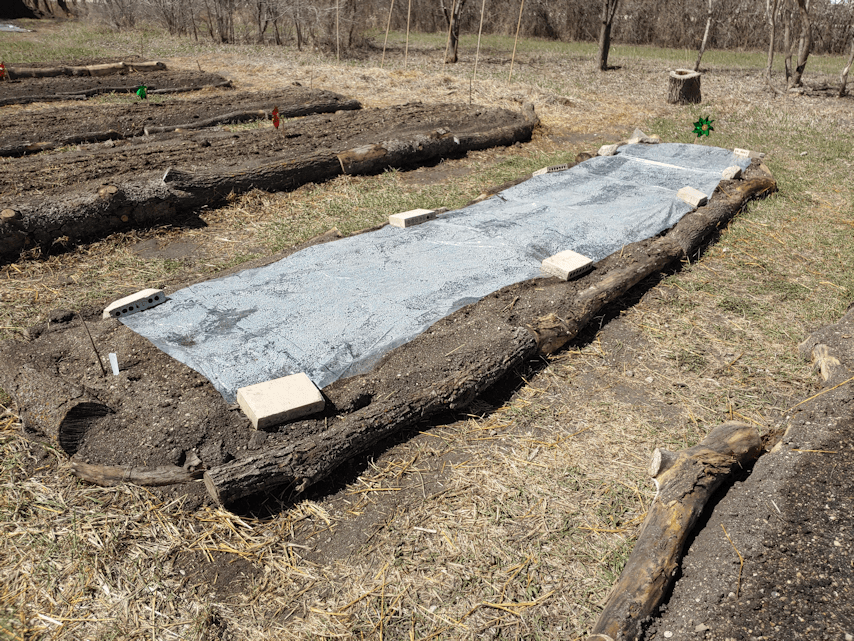
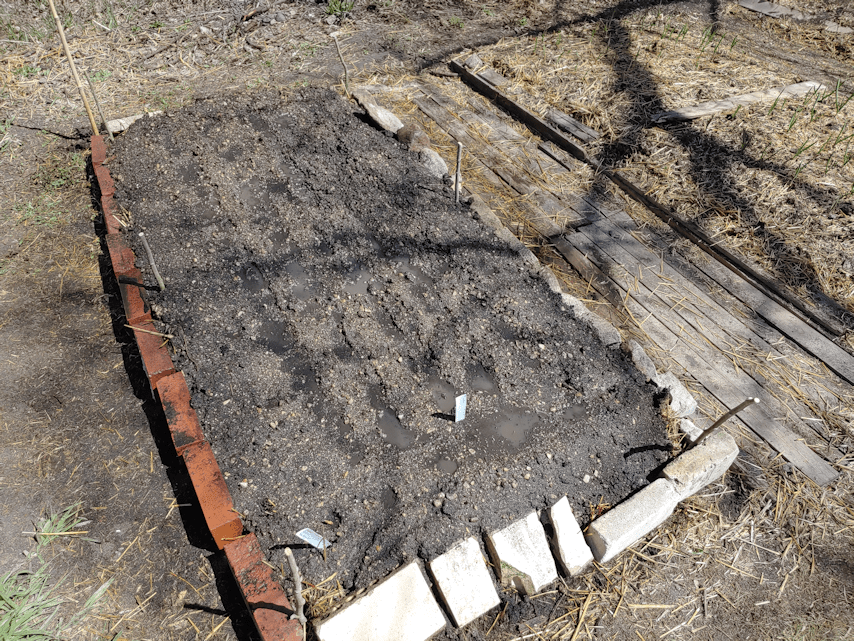
In the spring, we scattered our collected seed over the same bed we’d grown them in before. They really were too densely sown, but at the same time, it was just such a terrible growing year. Lots of them germinated, but there were weeds growing among them that had leaves very similar to the poppy leaves. I had to wait until the got larger before I could tell for sure, what was a weed, and what was a poppy. They still didn’t do all that well, and I didn’t bother trying to collect any of the few dried pods that formed to collect seed. Instead, that bed was completely torn up, and there is now a low raised bed framed with small logs. Whatever we end up planting there should do a lot better.
As for the new varieties, we never found a place we felt was suitable to sow them. The flooding certainly didn’t help. Some of the places I was thinking of ended up under water, so I guess it’s a good thing we never tried planting there.
So bread seed poppies are something we will try again, once we figure out permanent locations to grow them that are in very different parts of the yard.
Then there were the wildflowers.
We got two types of wildflower seed mixes, specific for our region. Both were sown in the fall, when overnight temperatures were consistently below 6C/43F. One was an alternative lawn mix, so we sowed those between two rows of trees behind the storage house, where it’s very difficult to mow or tend. The other was sown outside the fence near the main garden area, where we later put the new sign to identify the property, after the old one disappeared. There is a broad and open strip of grass between the fence and the road, that I would eventually like to fill with wildflowers. To start, our first sowing was done near the corner, where we hoped they would attract pollinators that would also benefit our garden.
We got nothing.


The photo on the right doesn’t show the space between the trees the seeds were broadcast onto, but it was filled with water. The storage house didn’t just have a moat around it, like the garage. The space under it, where the yard cats often go for shelter, was completely full of water.
The photo on the right shows where the Western wildflower seed mix were broadcast and, while there was some standing water in places, it also got covered with sand and gravel from the road, as the ridges left behind by the blows melted away.
Yes, the snow got flung that far from the road!
Not a single wildflower germinated, in either location.
I suppose it’s possible that some seeds were hardy enough to survive the conditions and will germinate next spring. Who knows.
I’d intended to get more seed packets, which would have been sown in the fall, but completely forgot to even look for them. I might still get them and try broadcasting the seeds in the spring. We do still want to turn several areas that are difficult to maintain, over to wildflowers and groundcovers. Once we get them established, they should be virtually maintenance free. It’s getting them established that might take some time!
During our previous two years of gardening, we grew sunflowers. The first year, we grew some giant varieties. For 2021, we grew Mongolian giants and Hope Black Dye. These were to do double duty as privacy screens.

They did not thrive during the drought conditions we had last year, and deer were an issue, but we were able to harvest and cure some mature seed heads and intended to plant them in 2022.
That didn’t happen.
Basically, with the flooding, the spaces we would have planted them in were just not available. Plus, the bags with the seeds heads were moved into the sun room, after spending the winter in the old kitchen, with the intention of planting the seeds, they ended up in there all year. With how hot it can get in there, I don’t think the seeds are viable anymore.
Still, it might be worth trying them!
The reason we wanted to grow the varieties included using them as both privacy screens and wind breaks. We also want to grow them as food for ourselves and birds and, at some point, we’ll be getting an oil press, and will be able to press our own sunflower oil. So sunflowers are still part of our future plans.

We did have sunflowers growing in 2022, none of which we planted ourselves. They were all planted by birds, and were most likely black oil seed; the type of bird seed available at the general store. Only a couple of seed heads were able to mature enough to harvest, and we just gave them to the birds.
I do want to plant sunflowers again, but at this point, I’m not sure we will do them for 2023.
Several other things we got seeds for, some we intended to plant in 2022, but others for future use.
Of those we had intended to plant, one of them was Strawberry Spinach.

These are something we’ve grown before on our balcony, while still living in the city. The leaves can be eaten like a spinach, while also producing berries on their stems. We’d ordered and planted some in a new bed, where we could let them self-seed and treat them as a perennial, in 2020.
They were a complete fail. We don’t know why.
I ordered more seeds and we were thinking of a different location to plant them, but then the flooding hit, and we got busy with transplanting and direct seeding, and basically forgot about them.
I still want to grow them, but we still need to figure out a good, hopefully permanent, location for them.
We also found ourselves with a packet of free dill seeds (, plus we were given dill that we were able to harvest seeds from. Since cleaning up the old kitchen garden area, we did start to get dill growing – dill is notorious for spreading its see and coming back year after year! – but they never got very large. We have bulbs planted where they’ve been coming up, so we’re not exactly encouraging them in that location.
In the end, with the way things went, we never decided on a location to plant them, and with all the other issues we had with the garden this year, it just wasn’t a priority.
For 2023, however, we’re actively starting to order herb seeds and will be building up an herb garden, so hopefully we’ll be able to include dill in those plans, too.
One thing we ordered that we did not intend to plant right away was wheat.

These are a heritage variety of bread wheat, and we only got 100 seeds. Even if we had a good year, I doubt that would give us enough yield for even a loaf or two of bread. We do, however, plan to invest in a grinding mill in the future.
Meanwhile, when we do plant these, it will be for more seeds, not for use. In the longer term, we’d need to have a much larger area to grow enough wheat for our own use.
We’ll be starting slow!
Then there were the forage radishes.
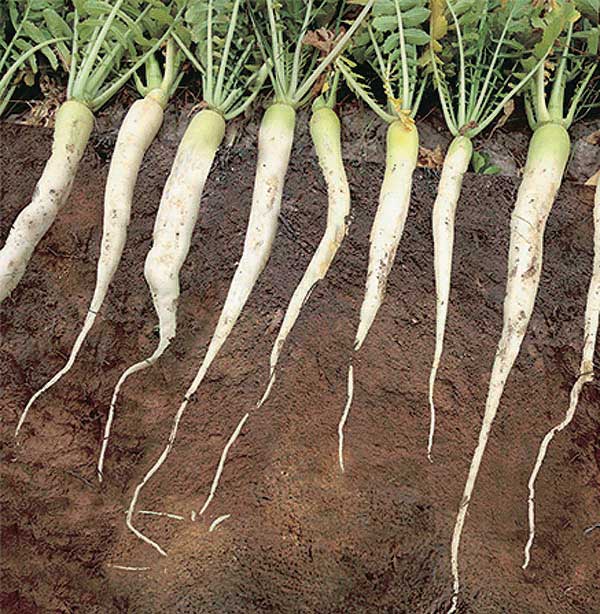
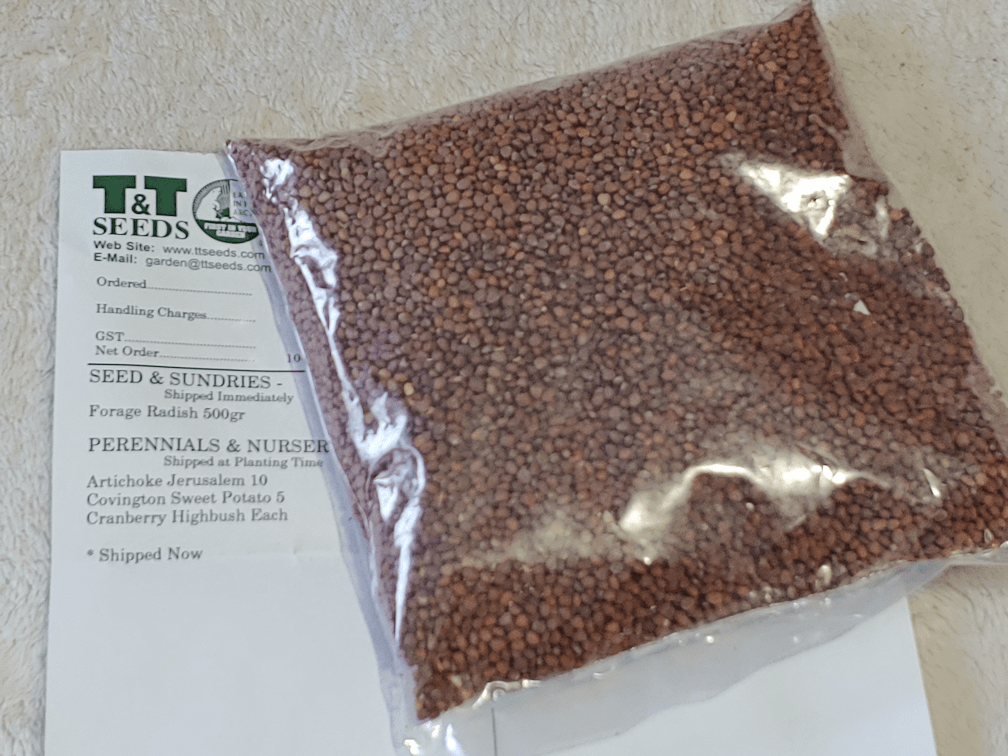
Also called tillage radish. We got these to help amend our soil, and loosen it for future planting. These would be something we would use to break new ground in preparation for future garden plots. There are a whole lot of seeds – and that was the smallest size package! – so we’ll probably have a few years to use these to prepare new beds.
I think that’s it!
I’m sure I’m forgetting something. 😄😄
Next, I’ll post my final thoughts on how everything went. With everything that went on this year, that’s going to need its own post!
The Re-Farmer
Update: I knew I was forgetting something! Two somethings.
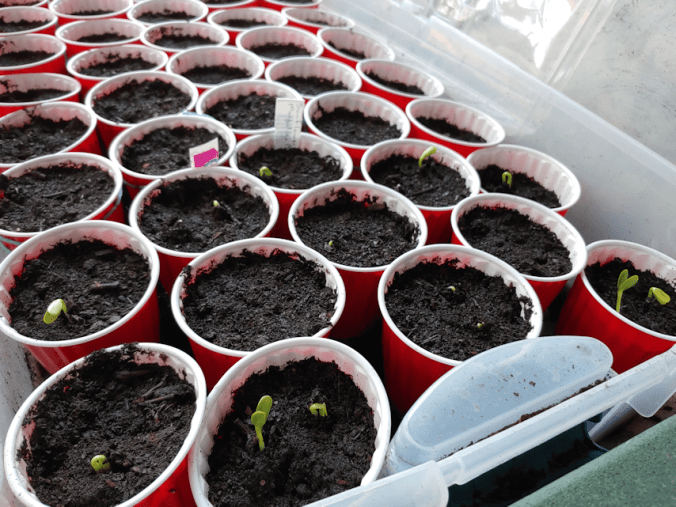
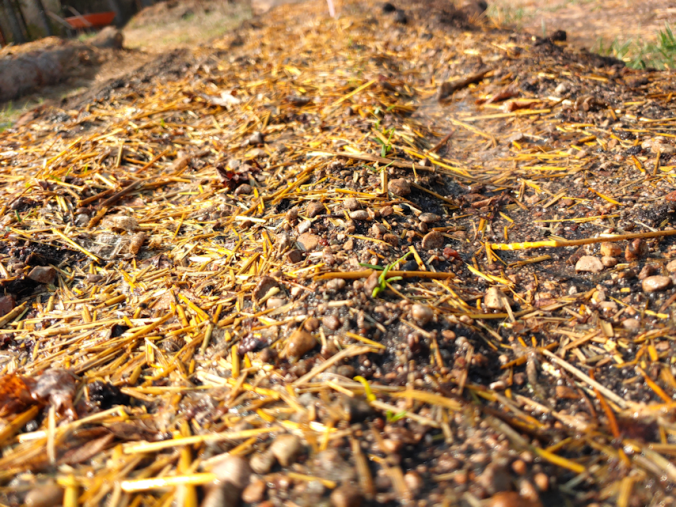
The first is our winter sowing experiment. You can read about how that turned out, here. Basically, we got nothing, and I think it was due to our extended, cold winter. I know this is something that has worked for others in our climate zone. It just didn’t work for us this year. In the future, I will probably experiment with it more, but not for the 2023 growing season.
The other is our cucamelons. In 2021, the cucamelon vines grew well in a much more ideal spot, but we had almost no fruit. The previous year, we grew them in a spot that was too shady for them, but still managed to get more fruit. I believe it was a pollination problem.
While we do want to grow them again in the future, we decided not to get more seeds. However, in cleaning up and redoing the spot they were growing in, putting in chimney blocks to plant in and keep the soil from eroding under the chain link fence, we found lots of tubers. In theory, we could over winter the tubers and plant them again in the spring. So we buried them in a pot and set the pot into the sun room, where it doesn’t get as cold. The first year we tried that, there was pretty much no sign of the tubers by spring. I found only the desiccated skin of one. When I brought the pot out for 2022, I didn’t even bother digging for the tubers. I knew they wouldn’t have survived the extended cold, even in the sun room. We should have taken it into the house and maybe into the old basement, where the cats couldn’t get at it, but those stairs are difficult for to navigate, and we go down there as rarely as possible.
So winter sowing and cucamelon tubers were both things that just didn’t work for 2023.








 The Re-Farmer