We got a nice little down pour in the wee hours of the morning. Not enough to refill the rain barrel, but enough to water things nicely.
Knowing it was going to get hot today, I made a point of having breakfast before I did my morning rounds, as I planned to stay out longer to do some planting, before it got too hot.
While checking on the covered garden beds, I tried to open them up a bit so they wouldn’t get too hot inside during the heat wave (we haven’t reached the hottest part of the day yet, and we’re already at 31C/88F) today and tomorrow, while still giving them protection.
I was hearing thunder the whole time I was outside. As I was gathering my supplies together into the wheelbarrow, the rain started coming down again. It didn’t take long for me to get quite wet before I could dash inside! I ended up waiting until about 8:30 before heading out again, though I’d really hoped to have been done by then.
I went through the bag of walnut seeds and found three that were showing roots and needed to get into the ground right away. That worked out perfectly, as there were three spots marked out along the wet side of the lane I want to keep clear to the second gate. It the second picture of the slideshow above, you can just barely see a dot of orange in the distance, marking the northernmost spot.
The first thing to do was rake around the markers, clearing them of dead grass and debris – and any little poplars coming up that I’d missed, before!
Next, at each marker, I removed a circle of sod, which I quartered and set aside to put back, later. Once the sod was removed, I dug around a bit more to loosen the soil and remove any rocks I found in the process.
Once the holes were dug, I added some of the indoor-outdoor potting soil my brother gave me, mostly filling the holes. Then a plastic collar was set into the soil. The loose soil and and sod (placed upside down), along with any rocks I’d dug up, was set around the collar and the hole in such a way as to create a sort of moat, so wany water would drain towards the middle. Then, all of them got a thorough watering. I actually have a couple of photos reversed. The one with the arrow shows where a walnut seed is. Each got pushed into the moist soil, root side down, and the marker was inserted into the soil near it. Each collar got topped up with more of the bagged soil and pressed down gently, before getting a final, thorough watering.
Once the seeds were planted and watered, I raked up more dried grass to set around as mulch.
Here was have the three planted areas, with the grass mulch set around the collars for mulch. The very last photo shows the “combed” area I’d raked the dead grass out of. I just thought it looked rather funny. 😁
Three seeds planted; five more to go! All of those will be planted on the east side of the lane, and closer to the inner yard fence.
While it hadn’t gotten really hot yet, things were pretty muggy, so I was more than happy to get inside!
I had some plans to head into town today, which turned out to work out for everyone. Because of her work schedule, my older daughter basically didn’t see me on Mother’s day until some time past midnight. She wanted to treat me with a Mother’s day dinner today. After the four of us discussed options and ideas, my younger daughter and I left for town in the late morning.
My first stop was at the place our truck is insured at. I talked to someone about the wind damage to the truck, asking if it was something the insurance covered. She didn’t know for sure, but gave me the number I needed to call and find out. Since the cover isn’t actually part of the truck, she was pretty sure it wouldn’t be covered, but it’s worth asking.
The next stop was at our usual Chinese food place to place an order, only to discover they were closed. We keep forgetting. They are always closed on Mondays. After talking about it with my daughter, we decided to try the other Chinese restaurant. We keep forgetting about that one, but I’ve been there for sit down meals a few times while waiting for my truck to be worked on, since it’s in a hotel right next to our garage. This restaurant, it turned out, closes on Tuesdays, so we were good! 😄
After going over the menu and deciding on things for my husband and myself, I left my daughter to take care of the rest while I went to the pharmacy. My husband had ordered refills of his injections for delivery, but getting them faster was preferrable. While there, I also picked up some liquid, spray on bandage. The little calico kitten has a strange wound on her back leg, and lost some skin. We can’t bandage it and, while we’ve been applying antibiotic ointment, it really needs more protection.
That done, I got back to the restaurant early enough that my daughter and I popped across the street to the grocery store, where she picked up drinks to go with our Chinese food. We got back just in time for the food to be ready.
That was a very nice treat from my daughter – and no need to heat up the house more with cooking, today! The air conditioner in the living room has been turned on. We need to start bringing the fans up out of storage in the basement.
In the end, it has turned out to be a more productive day than I expected it to be, with this heat.
One more hot day, and then it’s going to get downright cold again! I’m certainly happy to have gotten those walnuts in!
The seeds still need to be done, but they are not as urgent.
I had debated where to plant the sapling, and decided to plant is to the south of the ash tree. This location is almost straight out from the gate by the fire pit, so if we need to, it would be fairly easy to get a hose out to it. It’s also closer to the ash tree than the Korean Pine that got drowned out. When things were at their wettest, this area did get wet, but not to the point of standing water.
In the first photo, you can see the area is thick with dead thatch. I actually started out by pulling a lot of it out by hand, around the marker, before going over it again with a rake. In the second photo, you can see it after the raking. The dead grass I raked up is basically hay, so I set it aside to use as a mulch, later.
The next step was to dig out the sod around the marker. Since a sapling is going into here, I dug it wider than I would need to do if I were planting a seed.
Of course, I hit rocks.
After removing wedges of sod to the side, I dug around to loosen the soil and get it a bit deeper. Which wasn’t very deep before I started kitting gravel. Quite a while was spent finding and removing the flat pieces of rock that you can see in the next photo. These would all be from a single piece of limestone that fractured in layers, which is very typical. There was also a big chunk of granite.
The soil here is very black, very sticky and very heavy! It wanted to stick to my spade like clay.
After digging down as much as I intended to – just to the gravel layer – I went through the chunks of sod to remove any larger roots, and to loosen them up a pit. Then, leaving them upside down, I put them back into the hole, slightly beyond the edge, so the points of the wedges all sort of sunk downwards. Then a hacked at the sod around the middle with a hoe to loosen more soil and refill the hollow in the centre a bit. On top of that, I added about half of the soil I brought. My brother had a leftover bag of soil he passed on to me. After reading the label, I decided to use that instead of making our own mix.
I then used about half of the container of water I brought to water the hole before planting the walnut sapling. I wanted to make sure it would be slightly higher than what the ground level was when I started, but also wanted to make it so any rain would drain towards the middle before getting absorbed by the soil. I’d brought a collar to put around the sapling as well, which will help with both keeping it slightly higher, and also allowing water to percolate into the soil slowly around the sapling itself, rather than draining away and eroding the soil away from the transplant.
Then, since I had these handy flat rocks I needed to do something with, I set them around the sapling, on the upturned pieces of sod. This would both direct water flow towards the sapling and keep any grass or weeds from coming up around it. While this area gets pretty wet at times, we tend to have more drought conditions than flooding conditions, overall.
The marker was placed near the sapling. I forgot to bring something to gently secure the sapling to the marker, to keep it upright. Something I will want to do sooner rather than later, to keep it secure in place until its roots become established.
Last of all, the raked up hay/dried grass was set around the collar to act as a mulch. I ran out, but it was just a matter of raking nearby to get more.
Little by little, over the next while, we’ll get those walnut seeds planted at the other markers. For those, at least, they won’t need as large a hole to be dug!
After that was done, I decided to finally work on one of the garden beds that was being solarized.
Ha!
That didn’t quite work.
The thing with solarizations is, the plastic has to have direct contact with the soil. It needs to be held down tightly. Which we weren’t able to do – and with this bed, it just became a greenhouse for weeds!
In the first picture, you can see how “puffy” the plastic looks, as it gets lifted by the greenery below.
The second picture shows how completely overgrown this bed had gotten! It is mostly dandelions – which were even blooming on the north end of the bed, where it gets longer sunshine.
This bed has had a few years of amendments to it, and was completely reworked last spring, so the soil would be nice and loose. Between that and how large the weeds were, it was going to be a lot easier to clean it up than it looked! The first thing to do was go over the entire bed with a garden fork to loosen the soil and root systems. Once that was done, I brought out my little hand cultivator to loosen it more, so I could remove as much of the root systems as possible. Along with the dandelion tap roots, there were some crab grass rhizomes, and waaaayyyy too much Creeping Charlie. Creeping Charlie roots really do creep, mostly near the surface of the soil, as it spreads. These mats of roots would even get all caught up in my hand cultivator, making it easier to get them out. Unfortunately, even the tiniest remaining root can start growing and spreading, but at least I could get the bulk of it out!
While working on this, I disturbed a surprising number of frogs, and even a Wooly Bear!
With the bed so low to the ground, though, this was an uncomfortable and painful job. I brought over the rolling seat, which helped, but I was only up to weeding one side. Since this is all infested with Creeping Charlie roots, it all went into a wheelbarrow to add to the burn pile, rather than to compost.
Tomorrow, if all goes well, I’ll finish the other half of the bed and get it planted. I have decided
The caterpillar was something I ended up picking up and moving. My apologies for the terrible picture, but it was in the leaf litter under the nearby black currant bush, and I had to zoom in quite a bit!
The frog in the next picture was really tiny, so I caught that one and moved it, too. The others I disturbed were larger, and I left them to hop out of the way on their own!
By the time I was done, it was time to feed the outside cats for the evening. With giving the littles wet cat food, what I end up doing is chasing out the adult cats and closing up the door to the sun room, to give them a chance to eat. With Caramel and her babies, I set a bowl with both wet and dry cat food inside the entry to the cat house – and spotted Caramel peaking at me from around the opening inside! I couldn’t see her babies but, when looking through the window next to the entrance, I couldn’t see her babies in their cat bed, either. I went to the other window, where I could see Caramel from the other side, and could just spot her darker kitten half under her, waiting. She was already bringing her babies to the entry, expecting food for them! This is a good sign!
While tending to the kittens in the sun room, I noticed Kale’s front leg had a scab fall off, so I got a daughter to bring the cat safe polysporin to put on the leg. It’s not bleeding, and the wound is closing up, but there is still a chance of infection. There is also the wound on her back leg but, right now, there just seems to be a spot of matted fur. My daughter had to look at it while I tried to hold on to a squirming Kale. She thinks the matting is from dried puss, but she can’t see anything other than the matted fur right now. The wound there seems to have closed up. We can’t say for sure what caused these wounds, but I still think it was from being excessively licked after some squeeze treat accidentally dripped onto her while I was giving it to Brussel.
That done, I was glad to get inside and sit down to the supper my daughter had made for me – but did remember to call my mother, first. I’ve been forgetting to take her in for her monthly blood work. This time, she’s also got a requisition for fasting blood work. We are now arranged for me to take her to the lab when they open at 9am, so that she won’t have to wait too long before eating. When I told her not to eat anything with her morning pills, she told me that she would stop eating for the rest of today; the home care aid for her suppertime meds had left just before I called. I told her she could still have a snack before bed or something; just not breakfast. It seems she’s gotten it into her head that it’s somehow a morally superior thing to not eat for the rest of this evening, too. That would be way too long for her to go without eating!
I remembered to ask her about her new prescription painkillers, to find out if she’d taken them before bed, as I’d suggested, and how they worked. It turned out she hadn’t taken any at all, but was feeling enough pain that she was just about to. I’m glad I asked about it, because she thought that she was supposed to take 2 tablets at a time, “as needed”. The actual instructions are to take 1 tablet, twice a day, as needed. As we went over the instructions again, she started saying that maybe she should not take them at all until she finished her other ones – the extra strength Tylenol she normally takes. I had to explain to her that she could take both; that if, for some reason, she had taken her prescription painkillers twice, but was still feeling pain, she could safely take a Tylenol, because they are in the same family of painkillers (which is the same thing for me, with the different painkillers I’ve been tried on so far). While I was trying to explain that if she had taken the prescription painkillers, she kept interrupting me to tell me that she hasn’t taken any at all. I’d say again, yes, I know, but IF you had taken them… I haven’t taken any of them! she would tell me, again and again, cutting me off before I could finish what I was trying to explain to her! I did finally finish what I was trying to say but, by then, I’m not sure she was still following me along, or if her mind had already gone somewhere else.
So… I think she was still going to take one after we were done on the phone, and knew that she could take a second one before she went to bed if she needed to, but I am not sure what she will actually do.
She also brought up, in the middle of everything else, that she has been having troubles with her headaches and her chest. I had to ask her what she meant by her “chest”. Oh, you know… my head and my chest…
No, Mom. I don’t know! I understand headaches, but what to you mean by chest?
I had to clarify, because sometimes she complains about different physical pains in her chest, but sometimes, she means her breathing.
It turned out she meant her breathing.
I asked if she was seeing any swelling in her legs.
Oh, yes… but it’s my chest that’s the problem.
*sigh*
She then started saying that she’s fine if she is just sitting, but when she walks around, she starts having trouble breathing.
So I had to explain to her again, the doctors warned her that if she has swelling in her legs and has trouble breathing, she might need to go back to the hospital. She couldn’t make the connection between the swelling and her breathing, so I explained again that if she has swelling in her legs, that means her body is holding water, and she might have water in her lungs, too. She then wondered how this could be happening, with all the pills she’s taking.
*sigh*
She has somehow convinced herself that, because she is taking soooo many pills, she should never get sick with anything. I told her that there is only one pill she is taking that has anything to do with her swelling, and that’s her water pill. The other pills are for different things, and none of them are specifically about breathing.
We’ve had similar conversations many times, so I expect she will have forgotten it already. I did suggest that she ask the home care aid to check the swelling on her legs tonight; the last time I was there and she said she had swollen legs, when she showed them to me, they weren’t swollen at all. She actually had sagging skin, which suggests that she did have swelling recently, but it had gone down by the time I was there to see, one way or the other.
The home care office is closed, but I’ll call up the case coordinator and leave a message with her. She was at the meeting with the doctor in the hospital before my mother was discharged, so she is aware of what we were told to watch out for.
The lab I’ll be taking her to, tomorrow, is in the local hospital. Which isn’t really a hospital, since they don’t have the doctors to actually do anything, but there are Nurse Practitioners in the clinic in the same building. That’s where she had gone when they saw that she needed to be hospitalized, and she was transferred to a hospital that has actual doctors, a functioning emergency room and can admit patients.
At this point, my mother being hospitalized again could actually be another of those “blessings in disguise” when it comes to getting her into some sort of assisted living or long term care situation, like she wants so much. With the updates to her panel application for long term care, it might just be enough to get her in.
The first thing I had to do was use the weed trimmer to clear the area they were going into. It hasn’t been mowed all of last year – I got tired of breaking lawnmowers – so there was a lot of tall dead grass. Before I could use the weed trimmer, though, I had to use the loppers to cut out all the little poplars that were coming up.
Then come back to get the ones I missed.
The dead grass was so long, there was only so much our little electric weed trimmer could do, so I got it mostly done, then raked up all the dead grass and clippings, then used the weed trimmer again, then rakes again. I got quite a lot of dried grasses that could be used as mulch, later on.
I decided to plant the apple tree 6′ away from where the plum tree will be planted, with the gooseberry in between. Part of the area was where we’d grown squash previously, so there were layers of straw and mostly decomposed cardboard to rake up. That part should have been easy to work in, but there were so many poplar roots extending through there, it took a LOT longer than it should have! Then there was about three feet of sod that needed to be dug out to where the apply tree would go. More roots. Lots of rocks. It was insane.
After stopping for a lunch and pain killer break, I brought the saplings over, unwrapped and in a bucket of water. I’d made sure to add a wet paper towel to the plastic bag they were wrapped in so the roots wouldn’t dry out, but considering how long it’s been since we found these, I wanted to make sure they were good and hydrated before planting.
This area gets full sun in the summer, and any rain drains off quickly, so I also made sure the planting holes were filled with water first. The holes got shovel fulls of a mix of garden soil (from the pile we bought a few years ago), sheep manure, cattle manure, and some of the rehydrated coconut fibre brick. With how shallow the soil is before reaching rocks, gravel and clay, I tried to build up where they were planted a bit. Once they were in, I mulched with the grass I’d weed trimmed and raked up. To protect them from deer, I set up the dollar store tomato supports I’d picked up a while ago. Then, to keep the mulch from blowing away, while also trying to keep the weeds from growing back, I added a layer of cardboard weighted down with sticks that used to be part of our old pea and bean trellises. I set the old rain barrel up closer to the area. When we set up the hoses, I’ll keep it filled with water so we can water things with ambient temperature water rather than the cold hose.
Oh, before I forget… the apple variety is a Cortland apple, and it’s grated onto a Siberian Crabapple root stock. I made sure the graft was well above the soil line.
Along with the plum, we will be getting two cross pollinator haskap varieties. So we’ll need to dig holes for those, too. I haven’t quite decided where they will go, yet. I was thinking in front of the apple and plum trees, but they can grow 4-6 feet tall, with a 3-5 foot spread, while the gooseberry can grow 3-4 feet tall. I don’t want to shade out the gooseberry, so they will probably get planted in line with what I planted today.
The next job, however, will be to plant the walnut sapling, plus the 8 walnut seeds. These will be planted in the outer yard.
It’s going to be even harder to plant out there than it was to plant year!
In the long term, though, it’ll be worth it!
We’re planting a LOT more trees for the food forest this year than originally planned on. This will put us years ahead of “schedule”, so that’s a good thing. Ideally, we would have done this years ago, but there’s only so much we can do at a time!
My daughter and I left rather early to take in a homesteading event near the city. We stopped for gas on the way out and picked up some sandwiches (made by the one restaurant in our little hamlet) and drinks for breakfast, and some pastries (from a very popular bakery in the town to the north of us) for later on. I picked up some lotto tickets, too, so that totaled about $76 and change.
I’m glad we gave ourselves extra time, because the entrance to the location was really hard to see! We drove right past it – then had to find someplace we could turn around!
It was held in a building that was on grounds that included a church and cemetery, and was surrounded by trees. The few parking spots were full, plus there were the vendor vehicles parked closer to the building, rushing to finish unloading. We found a spot to park, though I’m not entirely sure it was actually part of the parking area! We were early enough that we stayed in the truck for a while before going in. Things hadn’t started yet, but it was already full. The room was not particularly large, but it wasn’t small, either.
One vendor caught my attention very quickly; someone local had saplings for sale. He was talking to a customer while frantically trying to put labels and signs up before he had to dash away, so I heard him talking about a few things he had. His was the first talk of the day, though, and he soon had to disappear. I had to ask one of the other vendors where the talks were happening, as I thought it was in another room, but I couldn’t see any other rooms. It turned out to be behind a curtained off area at the far end of the room. When we got there, all the seating was full, and more people were crowded against the far wall, blocking off the canteen! Unfortunately, with all the people talking in the market area, I could hardly hear anything he was saying, though I could make out some of it. My daughter tried going to the opposite corner of the curtained off area to see if she could hear better. She couldn’t, but she did end up talking to the vendor that was there. She had a display of skin care products next to a display of honey products her husband was covering. It turned out they were the organizers for the event! With my daughter discovering she’s allergic to ingredients in a lot of shampoos, deodorants, etc., she was very interested in the skin care display. After I finally gave up trying to hear, I joined them. The vendor not only made all of the products, but grew all of the plants, berries and herbs used in them, plus honey from their own bees. We ended up getting a sample pack of their products, plus a tube of hand lotion made with sea buckthorn, among other things, for the scraggly skin on my hands. Both together cost about $45. I didn’t bother getting a receipt for it.
The vendor with the skin care products was also doing the next talk, which was on regenerative farming. My daughter and I snagged a couple of seats right in the front. It was a very enjoyable talk. It was a lot of stuff I was already familiar with (what is now called regenerative farming was what used to be called subsistence farming, when I was growing up here), but with her, it was all from the perspective of planting for their bees, so heavy on successive flowering plants to provide pollen and nectar from when the bees first emerge in the spring to when they settle in for the winter.
After each talk, there was 10 minutes scheduled for Q&A. I left my daughter to that while I went to hunt down the tree guy. He was busy with customers, so my daughter caught up to me before it was my turn. We ended up looking at another vendor nearby that had soaps, bath bombs and other related products. We ended up getting a bar of herbal soap there that cost about $12. I would normally never spend that much on a bar of soap, but I’m willing to do it once in a rare while!
Then it was my turn with the tree guy. Quite a few of the things he had, we already have, but what really caught my attention was the walnut. I’ve been looking at getting walnut for years, but while they will grow in our zone 3, our growing season isn’t long enough for the nuts to fully ripe.
Well, he not only had year old saplings, but walnut seeds, already cold stratified. He grows them himself, in a smaller city a few hours drive to the west of us. If he can grow walnut to the seed stage there, that means we can, too!
Bundled together is a gooseberry and a zone 3 variety of eating apple; he showed me so many different ones, I forget the name of the variety I chose. I’ll be able to see the tag when it’s unwrapped. In the pot in a year old walnut, and the bag has 8 walnut seeds in it. He said the trees grow pretty fast, too, and can get up to 40 feet high. He recommended planting them about 20 feet apart. I already know where I intend to plant those. The gooseberry, which already have leaf buds, and the apple tree will go into our food forest area, where we already have highbush cranberry, silver buffaloberry, sea buckthorn and mulberry.
All of these together cost $73.50 after taxes – the total before taxes was actually higher, but he gave me a discount, simply because the mental math was easier! 😄
While there were many other talks my daughter and I were interested in, it was too busy and too noisy, and we were already reaching our limit. They definitely need a larger venue, and a separate room for the speakers. Which is a good problem to have! As we were trying to leave, I ended up having to exit through the entrance simply because parked cars were blocking my way to the exit. When we got to the highway, we found more cars parked on the shoulders!
From there, we headed to another area of the city to do our non-Costco stock up shopping. By then, it was almost noon, so we went to the international grocery store, first, where we could have some dim sum and sushi for lunch. I honestly can’t remember how much that cost, but it was under $30.
There wasn’t a lot that we needed at this store, this time. This is what $175.36 looks like.
We got the short grain rice my daughters prefer (and it does very well, cooked in the Instant Pot), plus some salmon, frozen cooked and frozen raw shrimp for them. I got a bunch of teas that were on sale, including something called Breakfast in Paris. There is also a bag of instant milk tea. We picked up a goat gouda with honey to try, regular milk plus oat milk for my lactose intolerant daughters. There’s the oyster sauce they prefer, plus the soy sauce my husband prefers. We two pieces of slab bacon, one applewood smokes, one regular smoked, a flat of eggs to tide us over until we get our usual double flat at Costco, plus I got myself a Cherry Coke Zero, since I neglected to get myself something to drink with our lunch. Our loyalty card savings came out to $23.54, which was nice.
After we were finished here, our next stop was the Walmart. That turned out to be a much larger trip. This is what $417.73 looks like.
The main things we needed to get was cat food to last us until Costco and feed store trips. There are three 7kg bags of kibble, plus two 32 packs of canned cat food buried in there. My husband requested some sours, but they didn’t have the kind he prefers in stock, so we got two packs of mixed sours that hopefully will still work. There’s a case of Coke Zero and a package of facial tissues under the basket, plus a small package of paper towel buried in the cart.
We went a bit nuts on the frozen heat and eats. These are all things that my husband can cook himself in the multifunction air frier/toaster oven we got to replace the broken microwave. With his medications, his hunger cues and appetite are pretty messed up, so having something he can cook for himself when he does feel able to eat comes in handy. So there are a whole bunch of $10 bags of different types of stuffed chicken, popcorn chicken, meatballs and even corn dogs. Plus, some Pizza Pops to be our heat and eat supper when we got home.
There is a bag of carrots in there, two clamshells of strawberries, four different types of cheese, frozen Basa fillets, three different flavour packs of bouillon cubes, a couple of loaves of bread that my daughter chose and, completely hidden in the cart, a dozen cans of Monster energy drinks, to be split three ways. Last of all is a cold Gatorade my daughter got for the drive home.
So, including the items not pictured, we spent around $830 in gas, groceries, etc., though the food forest items did come out of a completely separate budget.
By the time we got home, it was late enough to feed the outside cats for the evening, but our day wasn’t over yet! My brother and his wife had come here to the farm while we were gone. They had a few things to do around their trailers and stored items, but they also did a huge job that I was able to help out with – which I will cover in my next post!
I couldn’t see any fresh growth on the sea buckthorn, mulberry or Liberty apple tree, but they all seem to have survived the winter. There’s still too much snow covering the ground to know if the snow crocuses or grape hyacinth are starting to come up. The saffron crocuses seem to be okay – something was digging around them and in the mulch around the Liberty apply tree, and some of the saffron crocuses got buried. Whatever did the digging – likely a skunk – clearly wasn’t after the bulbs, but probably found some insects or grubs to snack on. I haven’t seen any sign of tulips, yet. This section is now free of snow, so we should be seeing them pop through the mulch soon enough.
There were plenty of hungry kitties when I did the morning feeding, and some of them were still hanging around, looking for pets, as I was heading back to the house.
She really likes to lick my hands. The poor thing’s fur is so badly matted, and there are even burrs now stuck in her tail. At least she is socialized enough that, once things are warm enough, we should be able to use the new clippers to cut them off. Some of the other puffy cats, like Patience, are friendly, but getting any burrs or mats cut out might be too much for them.
Oh, dear. It just occurred to me.
I didn’t see Adam this morning. At all.
Which means she probably found some hiding place in the outer yard to have her litter. It would have been good if she’d used the sun room, but she doesn’t really go in there often at all. Even the cat house would have been good but, while there are cat beds at the windows in there, we had to take out the remains of boxes that had been in there, so there are no longer any more enclosed “nests” in that mamas have used in the past. Any time a cat has had a litter in there, though, they tended to disappear within days. I think it’s just too busy and active with other cats and they are quick to move their babies elsewhere.
If all goes well, I might be meeting up with the Cat Lady tomorrow. She has a whole bunch of wet cat food donations for us, and she said something about having more cat beds as well. We shall see. Tomorrow is looking to be a really nice day, too. Today’s high is supposed to be 8C/46F, but we’re supposed to reach highs of 16C/61F over the next two days! Even the overnight lows are supposed to stay above freezing for those two nights. We might be able to start removing the mulch from some of the winter sown beds, so the soil beneath can thaw out faster. If the long range forecast is to be trusted, we might even be able to sow cold tolerant things early. I’ll have to go through my bin of seeds for direct sowing and go through the most cold tolerant varieties to decide while ones can be planted first. At the very least, the peas will be able to go in, and we have two varieties of sugar snaps, and one variety of shelling peas we can plant as soon as the soil is workable. Those would be going into the main garden beds, though, and those are still covered in snow.
For the next while, I’ll be going through my old posts and videos about our 2024 garden, looking at how things worked out, and use that information to decide what we will do in our 2025 garden.
Okay, here is where we talk about everything else. The perennials, the food forest and so on.
Sunchokes, asparagus, grapes, zucca melon and walking onions
Sunchokes: last year, I didn’t harvest any at all so that we would have more growth and a larger harvest this year.
That plan worked out rather well! We got quite a lot of sunchokes, and the largest ones were replanted for next year. We’re still learning what to do with them, but this is something we know grows here and will come back every year.
The only downside is that I found quite a few tubers with chonky caterpillars burrowed into them. Some burrowed all the way in, where they died. Some, with half their bodies still sticking out of the tubers! I have no idea what these are, and need to figure out how to get rid of them.
Asparagus: We planted these purple years ago, and should be harvesting them by now.
We are not.
In planting the crowns, a trench was dug about a foot deep, then the bed itself was hilled to give them depth they are supposed to have.
Then we discovered that, in wet springs, a moat forms around our garage, including through the vehicle gate into the yard.
Which is where the asparagus is planted.
At that depth, even though the bed itself is above water, the crowns would be saturated.
We need to find another place to grow asparagus. I don’t know that we’d be able to salvage this purple variety. The challenge is finding a place where they can be left to grow for the next 20 years – and not get flooded out!
Grapes: In cleaning up around the storage house, we found two grape vines my mother had planted. We made a trellis for them and have been trying to keep the spirea from invading them, every since. Last year was the first year we looked to be getting a really good harvest.
The very morning I was planning to harvest them, I came out to find the trellis knocked down on one side, and all the grapes gone.
Then one morning – while taking recordings for a garden tour video! – I discovered all the grapes gone, again. They had disappeared overnight.
Racoons.
I want to transplant these, perhaps on either side of an arbour they can climb on. Maybe closer to the house, where we can better protect them from racoons!!!
Zucca melon: This is one of those things I’ve been trying to grow for years. They are supposed to get huge – up to 60 pounds – and actually grow in our climate. They never seemed to do well.
This year, I thought we’d finally get some. We had strong and healthy transplants, and they went into the kiddie pool raised bed, so they wouldn’t get the elm tree roots invading them.
The slugs got them.
*sigh*
Next year, I want to try them again, but this time in the new bed the Crespo squash did so well in.
I just have to find a way to keep the slugs off!
Walking onions: When we first moved here, every spring, a single walking onion would appear along the edge of the old kitchen garden. There used to be a fence and a tire rim planter, with a tire cut in half and flipped inside out as the “pot” near that spot.
Every year, this one onion would grow, then something would smash it flat.
One year, I managed to keep it from getting broken long enough that it formed bulbils. I took some of those and planted them along the south side of the tiny raised bed nearby, where they would get full sun while being protected by the logs making up the raised bed wall.
At the same time, that side of the old kitchen garden was cleared as best we could, and my daughter planted flower bulbs as a border. We eventually added logs on the outer edge as a protective border, with a couple of openings line with rocks or bricks to walk through. In placing the logs, I was very careful to place one log outside of where I knew that one onion was.
It never came up after that.
The bulbils we planted, however, grew and thrived. When they formed bulbils, those were harvested to cook with, rather than allowing them to reach the ground and spread. We don’t want them to take over! These should continue to come back, year after year.
Milkweed, saffron, tulips and other flowering bulbs, wildflowers and … salsify?
Milkweed: When starting seeds indoors, I started some Shades of Orange Butterfly flower – a type of milkweed. Very few seeds germinated, and the ones that did, did not do well. When we were finally able to start transplanting outside, I was at a loss on where to put these sad little seedlings, as these were something I wanted to reseed itself, year after year.
Then I found one of our yard cats, passed away. He was buried in a bed that was supposed to get poppies in it, but we completely lost control of the weeds in it. After he was buried, I transplanted the milkweed on his grave, in hopes they would survive. They did not.
Tulips: My daughters planted tulip bulbs in an area of the west yard, not far from the old kitchen garden, several years ago. We had gotten rid of some dead crab apple and other trees around there, and there is a lilac hedge behind it – lilacs that are doing much better, now that they are not overshadowed by dead and dying trees! It’s a well sheltered and protected area – from the weather, at least!
Deer love to eat tulips.
After several disappointing years of tulips being eaten just before they started to bloom, we were starting to think the poor bulbs weren’t doing well enough to store energy to survive the winter.
After having to remove one last diseased crap apple tree, and the remaining stump of one that died long ago, we put in some fence posts and surrounded the entire area with bits and pieces of salvaged wire fending and chicken wire, with one side tied in place to serve as a gate for accees.
This year, much to our surprise, we had the most tulips blooming, ever! We even had some coming up in areas they hadn’t been in ages, and we thought for sure they had died.
Best of all – no deer damage!
I look forward to the tulips finally being able to spread through the area, as we originally planned for them.
Grape Hyacinth and snow crocuses: On the other side of the lilac hedge where the tulips are, is part of our maple grove. A few years ago, in one section, we planted 200 grape hyacinth bulbs. In another section, we planted snow crocuses. The hope was that they would spread and grow and eventually take over those areas, so we wouldn’t need to mow or weed trim it anymore.
This year, we did get both, but neither did as well as the year before. I think our late spring, with heavy rains and flooded out areas, was too much for them. They should continue to come back, year after year, though, and hopefully continue to spread and fill the areas they were planted in.
Wildflowers: I had picked up Western Wildflower and Alternative Lawn mixes of seeds. After we had a couple of branch piles chipped, we were left with bare patches of soil in the maple grove, and we tried planting them there. If any of them survived, though, I don’t know. We did have some things come up this year that might have been from these mixes, but I can’t say for sure. There was one that came up that I was very diligent about pulling and destroying, though. I don’t know if it was part of the mix, but we have them all over in the spruce grove. They have beautiful sprays of tiny flowers that turn into tiny little burs. If you walk anywhere near them, you’ll find your pant legs and sleeves covered, and they do NOT want to come out! Worse than burdock! They are almost as invasive as creeping bellflower or creeping Charlie.
We have an insulated tarp that we put over our septic tank. It’s large enough that we fold it in half to use it. When the tank was uncovered in the spring, I laid it out in the maple grove nearby and weighted it down. It stayed there all summer, in hopes of killing off anything growing under it, which was mostly creeping bellflower.
When it was pulled off, I found some things were still growing along the edges, but most of the weeds under there did seem to have died. I put the Western Wildflower mix into a shaker with some seed starting mix I still had and, after clearing and loosening the soil first, scattered the seeds over the area, raked it again to cover the seeds, then mulched it, as was done with the winter sown garden beds.
Hopefully, it will work this time, and we will have native wildflowers growing in this patch. If all goes well, I would want to harvest seed heads from it to scatter throughout other areas of the maple grove. There are just a few areas where we want to maintain clear paths of grass. The rest, we want to be taken over with flowers of all kinds.
I have not yet decided were to try the alternative lawn mix, again.
Salsify?: In preparing garden beds, I found a plant growing in an area I needed to dig up. I recognized the leaves as something that has been growing and blooming pretty wild. They are quite pretty, so I dug it up and transplanted it into one end of the low raised bed with the seed onions and Summer of Melons mix.
It grew very well, bloomed beautifully, and developed huge seed clusters.
Any time a seed cluster looked like it was ready to be blown away with the wind, I plucked the seeds and scattered them in the same area at the far end of the bed, where they could sprout next year.
As for what they are, it was suggested they might be salsify, which is something we actually have seeds for that we wanted to try growing. The roots apparently taste like seafood. The seed catalogs only had photos of the roots, not the flowers, but in looking online, the flowers did look like they could be salsify. When cleaning up the bed in the fall, however, the roots were completely different. Certainly not a tap root that one could use like a carrot or parsnip! It’s possible that just means they are a different variety of salsify, but I don’t know. Whatever they are, though, we might have ourselves quite a lot of them in that one spot where I was dropping the seeds!
The Food Forest: apple, haskap, mulberry, raspberries, sea buckthorn, silver buffaloberry, highbush cranberry and Korean Pine
Liberty Apple: this is the first variety of eating apple we’ve planted. It is a zone 4 apple, but we planted it near the lilac hedge by the old kitchen garden, where it should be more protected. It survived its first winter. Hopefully, it will survive this winter, too. It will be a few years before it starts producing fruit, though. We just need to keep it alive! As it grows, I’m hoping to be able to esplanade the branches, too.
Haskap: We planted these years ago, and we should have been getting lots of fruit by now. Unfortunately, they are not doing well where they are planted. I suspect it is because they are between an elm tree and a lilac bush, and there is too much competition for resources. There are also flowers that come up around them every year, but their root systems are very different, so I don’t think they could be a problem. I am thinking we should transplant them where we will be having the bulk of our food forest, but my daughters are concerned that transplanting them will kill them off.
The main problem, though, is that the “Mr. Haskap” variety, which is meant to cross pollinated with the “Mrs. Haskap” variety, blooms earlier. At most, we’d find a couple of berries, here and there, and that’s it. This year, we actually had the most berries yet.
A small handful of them. Which meant we at least had a chance to taste them!
They are very tasty.
I still think we need to transplant them.
Mulberry: last year, we ordered a Trader mulberry – a zone 3 variety. This is the second time we’d tried mulberry, and the first was killed off by a late and severe spring frost.
They were out of the 2 year size, though, and were instead sending out two 1 year seedlings, instead. They were so tiny, we didn’t transplant them at all. Instead, we potted them up and kept them indoors through the winter.
This spring, they were planted along the north edge of the property, in our main food forest area. Because these can get quite big, I wanted to make sure they were positioned where they would not overshadow other fruit trees. There is a lilac hedge along the fence line, and one of them was strategically planted in front of a gap in the hedge, where the deer have been getting through. This allowed me to plant it slightly tucked in among the lilacs for extra protection from the elements, until they get bigger. The other one was planted the distance recommended for the size they can get. There, I pruned back the lilacs to tuck it further in, in line with the first one. Both got well mulched, and have some salvaged wire fence around them, to protect them from critters.
This is their first winter. Hopefully, they will survive, and in a couple of years, we will get to find out what mulberries taste like!
Raspberries: My mother has grown raspberries here for as long as I can remember. They also pretty much grow wild. She had last transplanted raspberries in an area on the south side of the main garden area, under a crab apple tree and a chokecherry tree.
Not a good place for them.
There are also other trees planted between the house and the main garden area; my parents added more of the years, encroaching on what used to be part of their garden, rather than on the north side of the property. As a result, they create a lot of shade in places that used to be able to grow lots of vegetables.
We did get small amounts of raspberries to enjoy, though and raspberries, being raspberries, spread. In this case, near the crab apple tree, there had been a compost ring. When it was full, I moved the ring to another location and started to dig into the old compost pile, expecting to be able to use it.
That’s when I found out someone had been using it for garbage. I also found lots of larger branches in it.
After cleaning out as much garbage as I could find, we left the pile to break down more.
Then the crab apple tree got the fungal disease that’s killing off so many of them and died. I cleared that away, which has actually improved things, as the raspberries on that end now get more light.
The raspberries have taken over the old compost pile and are thriving in it, so this past summer, we had quite a lot of raspberries.
Which is good, because the purple variety of raspberries we got for the food forest area did not do well.
They actually produced fruit last year, which was their first year. I was expecting to get berries in their second year; most raspberries produce on second year canes. This year, only one of them survived the winter, and being a first year cane, did not produce. It also didn’t grow well.
We also have a couple of raspberries I bought for my daughter. They were planted in the main garden area, near the trees that are causing us so much trouble.
It turns out, deer like raspberry leaves, too.
They are now protected, but we’ll have to transplant them somewhere away from those trees!
Raspberries are something we want to grow lots of. We are working towards having early, mid and late season varieties. Along with the purple and red varieties, we want to add in a golden variety.
We were supposed to get more for this year, but the budget did not allow for it.
What we might end up doing is transplanting some of the ones in the old compost pile into the food forest area, too.
Sea Buckthorn: We bought a 5 pack of sea buckthorn, which were planted in the north east corner of what is now our main food forest area. The lilac hedge sort of peters out by this point, creating another gap the deer were taking advantage of. After planting them, they got a buck and pole fence put over them to protect them and keep the deer from running through the space.
They didn’t all make it. I suddenly can’t remember if we have two or three left. Sea buckthorn, however, needs one male for every 4 females for pollination. No male, no berries. It’s unlikely we have one of each, so we need to replace the ones that died. Which we intended to do this year, but the budget did not allow for it. The ones that did survive, though, do seem to be doing okay.
Silver Buffaloberry: These were purchased as a bundle of 30. Their placement was deliberate to double as a privacy fence as they reached full size. So far, we have lost maybe 3 in total, which is pretty darn good. It will be a few years before they reach full size and start producing berries. The berries are edible, but if it turns out we don’t like them, they will be good for the birds.
Highbush Cranberry: At the start of the two rows of silver buffaloberry, we had a pair of highbush cranberry. For some reason, the deer kept eating one of them. It is currently protected by and old saw horse, directly over it. It has survived! Both will also need several more years before they start producing fruit.
Korean Pine: I keep forgetting about the Korean pine, because they are the only things planted in the outer yard. We started off with 6 seedlings. We are down to three. They are supposed to be slow growing for their first few years, then start shooting up. This year should have been that first year of increased growth. They’re still quite small, protected under their chicken wire cloche. Unfortunately, we haven’t been able to give them the care they should be getting. If only one survives, though, I’ll be happy. It’ll be years before we’ll have pine nuts to harvest, but one mature enough tree would be able to provide more than we need.
Conclusion and planning ahead
It was certainly a mixed bag with how these things went this year.
When it comes to these more permanent things, both food and flowers, we are in for the long haul. These are things that can take years to get where we want them to be.
We had intended to expand this year but our biggest struggle has been with the budget. Aside from everything becoming more expensive, we had so many things that needed to be replaced or repaired this year.
Oh, I just realized, I forgot one more thing: our rhubarb!
We have two patches on opposite corners of the old kitchen garden. The one in the south corner has given us rhubarb to harvest every year, but the one in the north corner has struggled. They both have ornamental crab apple trees growing over them, but the south one manages to get more light. The north one had some dead branches that got cleaned away this year, though. Between that and, I believe, the heavy rain we got this spring, the rhubarb in the north corner was the best we’ve ever seen!
At some point, though, they will need to be transplanted to a better, more open, location. That can wait a few years, though.
Which is pretty much the thing with all our plans for growing food. The ultimate goal is to be as self sufficient as possible. Part of that goal is to have as many things that are either perennial, or will seed themselves, year after year. I’m no spring chicken, and I know my years of mobility are limited. I’m already pretty broken.
Along with planning what we will be growing year after year, we are also thinking 2 years, 5 years, 10 years ahead. We want to add more fruit trees, and even nut trees, though there are few that will grow and produce in our zone 3 climate. As we add animals to our mix, growing food for them will also be part of the planning.
We’re in it for the long haul, though.
It’s a bit different in our situation, in that we don’t own this property, but have the freedom to do this. In the long term, this property could end up belonging to my brother’s grandsons. So all these things that we are doing could ultimately be there to benefit two little boys currently living in another province!
Who knows?
We just do what we can for now. I’m just thankful that we are here, and that we have such a good working relationship with my brother. Everything we do here is a benefit for him, too.
Okay, this is early, but I’ll take it as a good sign.
The mulberry bushes we got last spring were so tiny, we ended up just potting them up and keeping them indoors.
They grew quite a bit, then dropped their leaves in the fall. So for the past few months, we’ve been looking at bare branches, hoping they were still just dormant and not dead.
Well…
They are definitely not dead! There are tiny leaf buds all over both trees!
It’s early for them to be coming out of dormancy, but for now, I think they will be okay. We will start hardening them off in the week or two before our last frost date, and hopefully, this will mean nice, big, strong saplings to transplant in June. This variety is supposed to be hardy to our zone 3, So as long as they get a good start, and nothing eats them, they should be able to handle our winters all right.
I’m looking forward to seeing how they do. They are supposed to get quite tall, so they will be planted near the lilac hedge, along the north fence. While they are small, the lilac hedge will shelter them, and when the get bigger, they will fill in gaps in the hedge the deer are getting through.
First, the garlic, which was planted in the fall of 2022.
We planted garlic in one low raised bed, starting with cloves we’d saved from the one successful bed of garlic planted the previous year.
First, we had to reclaim and prepare the bed from the summer’s crop. Of our saved garlic, we got only 24 big cloves out of the six bulbs we kept! We then bought more garlic locally, rather than ordering it in, this time trying a soft neck garlic for the first time.
So how did they turn out in the summer?
Apparently, not good enough to warrant getting pictures of the bed as it grew. At least not any I uploaded into my dwindling WordPress media storage.
We seemed to have lost quite a few to the winter cold. I’d say we had almost a 40% loss on our saved garlic, which was hit the hardest. Interestingly, it was the soft neck garlic that did the best, as far as survival. We harvested all the scapes from both the hard neck varieties well before soft neck variety produced scapes. All produced decent, if not particularly large, bulbs at harvest time. As I write this, we still have some left to use for cooking. We did not save any for replanting. We just didn’t have enough to make it worthwhile.
Final thoughts on garlic.
We seem to have a problem with losing our garlic to the cold over the winter. For this fall’s planting, we got just one variety. They were all planted in the Old Kitchen garden, closer to the house. We made efforts to plant them more in the middle of the beds, as the outer edges of raised beds will freeze faster. That resulted in the 3 pounds of garlic we ordered being spread out over 4 raised beds. They also got a deep mulch. This winter should be a mild one, though, so the risk of loss due to cold will be reduced, too.
Also, we need to plant a lot more garlic. That one bed, even if we hadn’t lost as many as we did, was not enough to meet our usage needs. We could easily plant two or three times as many garlic. This fall, we planted 3 pounds of seed garlic, and while it’s more than what we planted last year, more would never be a bad thing!
We do have raspberries here that my mother has been growing for decades, descended from plants I used to pick from as a child. They are almost a wild variety. For our food forest, we want to include different varieties that mature at different times of the year. We’d purchased a red variety of raspberries a couple of years ago, but the deer kept eating them. They are protected now, but are not recovering well. So when these purple raspberries were planted, in an area we’d planted peas and beans in previous years, we made sure they were protected from deer.
They did rather well, too. These were supposed to be first year canes, so it was a surprise when we saw them starting to bloom. Yes, they actually produced fruit!
No new canes that would produce fruit next year emerged, though. Which means that when they died back after fruiting… well, it looks like they’ve just died.
I keep forgetting to contact Veseys about them.
[Edit: I have since remembered to contact them, and have been told this is normal, and they should start growing in the spring.]
Final thoughts of raspberries
We all love raspberries. This was actually a pretty good year for them, and the old raspberry bushes produced quite well. Especially since we cut away the crab apple tree that suddenly died of a fungal disease last year. It had been shading the patch quite a lot. This year, that end of the patch got a lot more sun, and they clearly thrived.
As for the purple Royalty raspberries, we did get enough to taste, and do like them. We will look to replacing the dead ones, while also planning to get a gold variety, plus another red variety. The long term goal is to have lots of raspberries from June through to August.
Our first apple tree
We have plenty of crab apple trees, most of which are dying of a fungal disease, so we have to be really careful about getting new apples. This spring, we got our first eating apple tree; a Liberty apple. It’s actually a zone 4 variety, so we needed to also give thought on where to plant it. It needed to get the full warmth of the sun, while also being sheltered from the cold winds. In winter, it will need extra protection to keep it from freezing.
For this, we chose an area in the west yard, closer to the house. There are ornamental crab apples nearby for cross pollination. We’ve got tulips planted here, which need protecting from the deer, with dead and dying trees that needed clearing away. So that all got taken care of, and the apple tree was planted closer to a hedge of lilacs for extra protection from the elements, while still getting that full sun.
We also got a pair of mulberry trees that are rated to zone 3. When we ordered one tree from Veseys, they did not have the size available for 2023, so we got two smaller ones, instead. They were so tiny, we ended up not transplanting them. Instead, they got potted up and kept indoors. As I write this, they are much, much larger, and their leaves have turned yellow and are dropping for the winter. If all goes well, they will come out of dormancy in the spring, we’ll harden them off and plant them in our food forest area when we are past our last frost date, in June, next year.
Final thoughts on apples (and mulberries)
Finding apples that are good for fresh eating, that are also hardy to our zone, is a challenge, but they are out there. So why did we get a variety that’s zone 4?
I’m a sucker for punishment?
The variety had qualities we were looking for, from flavour to storability. Hopefully, it will work out, and acclimate to our winters over time.
When it comes to apples, one tree should produce enough for a family, but they also often need another variety for cross pollination. So we might pick up one more variety of apple in the near future. What we really need to watch out for, though, is that fungal disease that’s killing off our crab apples. I’ve been researching about it, and there’s nothing we can do about it. Once it’s in the soil, it doesn’t go away. So if an area is badly infected, like where the row of crab apples are now, we would not be able to plant apples there again and expect healthy trees. Yes, there are ways to treat the tree, but it’s not really an option for us right now.
As for the mulberry trees, I’m pretty excited about those. I’ve never had mulberry before, but my mother remembers they had a huge mulberry tree behind their barn, when she was a child in Poland. As a food tree, they are known to be productive to the point of nuisance, so they will be planted well away from the house. There’s a gap in the lilac hedge on the north side of the property that needs to be filled in. That would be a good place to transplant these. Eventually, they should grow into towering shade trees, so we need to make sure they’re not going to cause problems for other things we want to plant around there.
Last minute addition: saffron crocus!
This year, I was really excited to find out Veseys got a Canadian supplier for saffron crocuses, acclimated to zone 4! So we took a chance and ordered some.
These were planted in a trench in the fenced off area about the tulips and the Liberty apple tree this fall. For the winter, they got a deep mulch to protect them. If they survive, they can be expected to produce flowers with harvestable stamens in the fall of 2024, and each year, they can potentially triple as they expand.
Of course, every year, they will acclimate more to our climate zone, too.
Final thoughts on saffron crocuses
We don’t really use a lot of saffron, so if even a few survive to produce next year, that will be enough for our needs. Long term, if they do well, who knows. We might eventually have enough saffron to be worth selling at the local markets or something. If not… well, it was worth a try!
Recovering Strawberries and Asparagus
Last year, our purple asparagus bed was flooded out. It didn’t really affect the strawberries that were interplanted with them, but the asparagus crowns were buried 2 ft deep. I wasn’t sure any survived. In the end, we did get some asparagus plants growing, but they have been set back, at least a year. This should have been the first year we could harvest any, but that just wasn’t going to happen.
As for the strawberries, they recovered quite nicely after the winter and were soon producing.
We ended up rigging up protection around the bed, and the strawberries did recover. In fact, they began producing again, quite late in the season, because of the deer damage, and were still trying to produce, right up until the first frost hit them!
Final thoughts on strawberries and asparagus
We planted a purple variety of asparagus, and the plan had been to plant a green variety the next year, and to keep adding more every year until we had enough for our family to enjoy regularly. Well, that didn’t happen. The challenge is, asparagus is a 20 year commitment. We have to find places to plant them that will not be used for anything else for 20 years, because I sure don’t want to be transplanting them in the future. Since we’re still struggling to clear up certain areas, we just don’t have the space that can be used that way.
After last year’s flooding, we now have an idea of where the more susceptible areas are that we either have to avoid, or where we’d have to make a bed raised high enough that flooding won’t be an issue.
So, yes, we do still intend to increase our asparagus beds, with both green and purple varieties. It’s just been delayed. As for the asparagus we have right now, I’m hoping they recovered enough that they will do better next year. I don’t expect we’ll have enough to harvest next year, though. Maybe in 2025.
Asparagus is definitely a long term planning sort of thing!
As for the strawberries, these were purchased transplants that were interplanted with the asparagus because I’d read they do well together. Over time, however, I am now thinking to get more strawberries to interplant around the food forest area, as a sort of ground cover, rather than having dedicated beds to just strawberries.
Strawberries from seed
Now we move on to an impulse purchase that did surprisingly well. I got a kit to grow strawberries from seed. It was marketed for kids, but strawberries are strawberries, and we just can’t get enough strawberries in this household!
What started out as this…
… became this.
Yes, we actually got a few mature strawberries!
These got transplanted in the wattle weave bed along with some herbs, peppers, eggplant and luffa. Eventually, the Old Kitchen garden will be mostly an herb garden. I honestly didn’t know if they’d make it, or if they’d produce this year at all, they were so tiny.
The kit did not say what variety the strawberries were and, from the looks of the berries, they seem to be a type of wild strawberry. We only got maybe 4 or 5 ripe berries to try, and they were tasty, but not as tasty as the variety that were bought as transplants.
Final thoughts on strawberries from seed
Since this was a spur of the moment experiment, my expectations were not high, so it doesn’t mean much to say they exceeded expectations! Once transplanted, they did really well. I don’t think I’ll grow strawberries from seed again, though. The ones purchased as transplants were more productive (even after the deer got to them) and much tastier. We’ll see if these survive the winter. They are mulched, but they were planted along the edge of the bed, so are still susceptible to freezing. For all I know, they will produce larger berries once firmly established. We shall see.
Sunchokes
I kept forgetting about the Sunchokes, aka: Jerusalem Artichokes, this year! They are in a permanent bed next to the asparagus, and this is their second year. Last year, we’d planted 10 tubers in two rows. In the fall, I harvested half the bed, replanted 5 of the largest tubers, leaving the other half of the bed untouched. The sunchokes came up quite well from both halves. They grew nice and tall and…
That’s it.
Like last year, they never boomed. I never even saw any buds forming.
This was all we harvested last year.
I was going to harvest some this fall but, in the end, I just left them. We should have more to harvest, next fall. Instead, we cut the stalks and lay them down on the bed and covered them with a grass clipping mulch. As Sunchokes are native to Canada, they probably don’t need a mulch at all, but it won’t hurt.
There are people on some of the local gardening groups on Facebook I’m part of that also grow sunchokes. I saw several people talking about how they’ve been growing them for years, and they have never bloomed, wondering what they were doing wrong. Some old time gardeners have said theirs have never boomed, either, but they still get a good harvest every year. At least I know it’s not just here!
Final thought on Sunchokes
So, obviously, I don’t have much to say about the for this year, since we skipped harvesting them. When we did try them, we liked them, so I do want to let them grow and multiply, so that we can have larger harvests. After learning that other people in our zone that have grown them for years and never had them bloom, I guess that means we don’t have to transplant them somewhere else or something. We can just leave them were they are. Hopefully, next fall, we’ll be able to get a good harvest out of them.
Everything else
This is a follow up on the things we planted the year before.
We planted a bundle of 5 sea buckthorn. Two survived. They are still surviving and growing bigger. Eventually, we will get more to add to the privacy hedge. If all goes well, we’ll have at least one male sea buckthorn, and will eventually get berries.
We planted two highbush cranberry. Last year, the deer ate one of them, it recovered, and they at it again. I put an old saw horse of that one to protect it as it recovered again. This year, it was growing well, as was the other one, which is still unprotected. Amazingly, towards the end of the season, the one with the saw horse over it to protect it got eaten again! Given how late in the season this happened, I don’t know if it will recover.
Deer chewed Highbush Cranberry.
We planted 30 silver buffalo berry in two curving rows, to eventually act as a privacy screen. It looks like we’ve lost 2 of them, possibly 3. One, I expected, as I’d accidentally pulled it up last year while weeding, but one or two may have died before fall, too. Some of them are getting pretty big, while others are still quite small. With last spring’s flooding, one end of the rows was completely underwater, and they handled it just fine. It will be a few years, yet, before they get large enough to start producing berries.
We had planted 6 Korean pine in the outer yard. We have 4 survivors. This year, they were still quite tiny, and are still covered in their chicken wire cages for protection.
From what I’ve read, they grow very slowly for the first 5 years, then start to really shoot up, and eventually become very large trees. We got 3 yr old seedlings, which means this was year 5 for them. We shall see if they get their first growth spurt next year!
Final thoughts on our food forest.
Our long term goal is to have as many perennial food plants as we can manage. Fruits, nuts, berries, tubers, whatever. We’ve got a good start on it, and hope to add more to it every year. For some things, like the sea buckthorn and silver buffalo berry, these are multipurpose plantings. They should be prolific enough – eventually – to provide winter food for the birds, while the bushes themselves will be privacy screens and living fences. The far flung areas we’d planted corn, beans, squash, etc. last year were done to help prepare and amend the soil for permanent planting, and this year, only one small area was used to grow squash in. Next year, we hope to plant a fruit tree or something in that spot.
We are trying to be very selective on what we plant and where. We need to leave lanes open, wide enough to drive through, to be able to get at fences, etc. There is also the lane we will keep open because there is a telephone line buried under it. That means we need to consider root systems, as well, when locations are decided on.
The one thing we planted out there this year – the Royalty raspberries – appears to ultimately be a failure, since they produced this year, instead of next year, and died back. So very little progress was made in that area this year. We do have some black currant bushes that I am thinking of transplanting out there. They are closer to the house, but under trees. They bloom in the spring, but have almost no berries. They simply don’t get enough sunlight.
Over time, we will keep adding more to the area, as the budget allows. Pears, plums and gooseberries are on the list, and I’m seriously considering transplanting our haskap bushes. The “male” haskap, which is supposed to be the right variety to cross pollinate the two “female” varieties, is done blooming before the two other even start. I think they’re just planted in a bad spot. Too many tree roots, and too many of those perennial flowers that my mother planted there. Even though I’ve cleared them away from around the haskaps, they get so big, they still cover the bushes – and the haskaps are supposed to get big enough that it shouldn’t be an issue! We shall see.
The experiments.
Last year, there were two things we planted that, while annuals, could be treated as perennials, because they self seed so easily. Wonderberry and Aunt Molly Ground Cherries. With those, I let them drop fruit to see if they would come back this year.
They did not.
We might still get some ground cherries in the future, but they were much more fragile a plant than I expected. They broke easily, as I reached under to find and pick ripe berries, and the patch itself got flattened by wind and had to be supported. If I do plant them in the future, I’d want to have some sort of supports for them, and I don’t know if they’re worth the extra effort!
That is where we are at now, with our fall plantings and perennials. Not a lot of progress there, this year, unfortunately. When it comes to perennials – especially trees – it can take years before they start producing, so delays in progress add years, rather than months, to having food production! At least things like berries produce faster and fill the time gap a bit.
Last night was our average first frost night, and there was no frost. The garden survives another night!
Check it out. 😊
May the frost hold off at least as long as predicted. Cooler night means things are slowing down, so if we’re going to get to harvest things, we need as much time as possible for it to fully mature.
We had another cold night last night, for this time of the year. Temperatures dropped to 6C/43F. It’s coming up on noon as I write this, and we’ve warmed up to 21C/70F, with an expected high of 23C/73F. I made sure to get outside to do my morning rounds a bit earlier, as we got word that my brother and his wife were coming out with the repaired riding mower, and it was just beautiful out.
Of course, I was checking all the garden beds, and saw so many of these…
A lot of the purple corn seem to have exploded with tassels emerging, overnight! I had expected them to get much taller, first. I may have made a mistake in choosing pole beans to plant with them, instead of bush beans! 😄
I also was able to pick a handful of the wild-ish raspberries growing around the old compost pile. Until this year, I would usually find enough to nibble on a few while doing my rounds, but not usually enough to be worth picking. They’re just starting to ripen now, and I’m already finding more than before – and that’s just in this patch. There are still the raspberries growing wild in other areas that we can pick from.
I even found a couple of fully ripe pea pods to nibble on, and some Saskatoons. The peas will have more ready to pick soon. So will the Saskatoons, if we can stay ahead of the birds! Even the sour cherry tree by the house is starting to ripen.
When I later put the washed raspberries on the kitchen counter, I had a good laugh. My daughters can be so silly at times! Last night, my younger daughter made mint syrup for the first time, and set it aside on the counter to cool, with a Post It note to let everyone know what was in the bowl.
Her sister added to the note…
Too funny!
My brother and his wife came out in their truck; the riding mower fits quite well in there. Once it was out, he showed me the things he replaced and repaired, and some of the things he found. There was one wire connector, for example, that he found was completely off. Which means the mower blade could not be lowered. Even if the chain he replaced was working, we couldn’t have use the mower! I have no idea when or how that happened, because the last time I tried to use it was right after it had had the chain put back on. The chain immediately fell of, so I never got to a point where I’d have tried to engage the mower.
He replaced the seat. I didn’t even think it needed replacing, but he explained it to me. It seems there was some video of me he’d watch, riding around on the mower, and the bottom of my sweater was on the top of the mower – a part that spins! This seat has a back on it, so that won’t happen anymore.
He’d replaced the battery cables and the corroded connectors, and they are now covered with a protective grease. He also found a new battery holder. That was one of those things where I’d seen something was wrong, but didn’t know what it was. There was a vertical metal bar that was wobbling around. I knew it should be attached to something, but couldn’t figure out what. It turns out it was one of the bars that held a plastic piece that was supposed to be holding the battery in place. There was no sign of the plastic piece. It was held in place with a couple of nuts and washers. This is something that can only be seen if the seat and cover are lifted. How or when the plastic piece fell off, I don’t know, but it had to have been fairly early on, because I have zero memory of ever seeing it there in the first place.
After showing all the changes to me and my younger daughter, who’d joined us by then, he started it up and tested it out on the outer yard grass before driving it into the garage.
As for their mower, the best I could do was make sure the tank was full, have it out and ready for them to load, and clean it off. They were happy to get their mower back. It’s slightly narrower and can store in their garage – ours was too wide! It’s also too wide to fit between some of their trees, so they couldn’t use it for that, either.
I am so thankful that my brother was able to do all this for us. He’s so sweet!
Once done with the mowers, we did a “tour” of things. They checked out inside the shed with the roof that collapsed; there’s still quite a bit of stuff in there, and my brother even borrowed the wheel barrow so he could move some of it to the barn, so it wouldn’t be exposed to the weather anymore. He was able to identify some of the things in there, including some things that really had me wondering why they are there at all – they are for equipment that the farm has never had! My SIL found some ripe cherries to try out, and we all got to snack on Saskatoons. She’d never had them fresh off the tree before, and loved them. They planted a Saskatoon bush at their place, but it’s too early to be producing yet.
We talked a bit about some of the trees we need to deal with. The elm in front of the kitchen really needs to come down, but that is one for the professionals, as are the dead spruces closest to the house. The cost is prohibitive, though. My brother, being the sort of person he is, just sort of took off suddenly and went on the roof to empty the eaves toughs. While there, he checked out the elm tree, which has branches overhanging the roof. At the very least, those need to be cut back, so they don’t damage the nice new shingles!
Altogether, we had a wonderful time, wandering around the yards and chatting about what we’ve been doing, what needs to be done, and what we’d like to do.
They had another surprise for us, though that will be brought out later. They found themselves with an air conditioner they’d bought for someone else, but is no longer needed. It’s been used for only a year. They have central air and don’t need it themselves, so they will be gifting it to us. It’s not the kind that fits in a window, though. It’ll need to be installed in a wall, and near a 3 prong outlet. We have a limited number of those. My brother walked around the house, talking to my daughter about where to install it. It was decided there was no way to install it upstairs and be able to plug it in. It also can’t go into any of the log walls. Since we have cat proofed the living room, that’s where it will be installed. So we will have to do some rearranging in there… again… in preparation for that.
It won’t be the most efficient location for air conditioning, but it’ll still make a world of difference!
They are so awesome!!!
So now I’m looking forward to using the riding mower around the main garden area. I didn’t want to use their riding mower for that, because it’s so rough, I was paranoid about breaking their machine.
I think today would be a great day to finally get that done! Or at least started. 😊


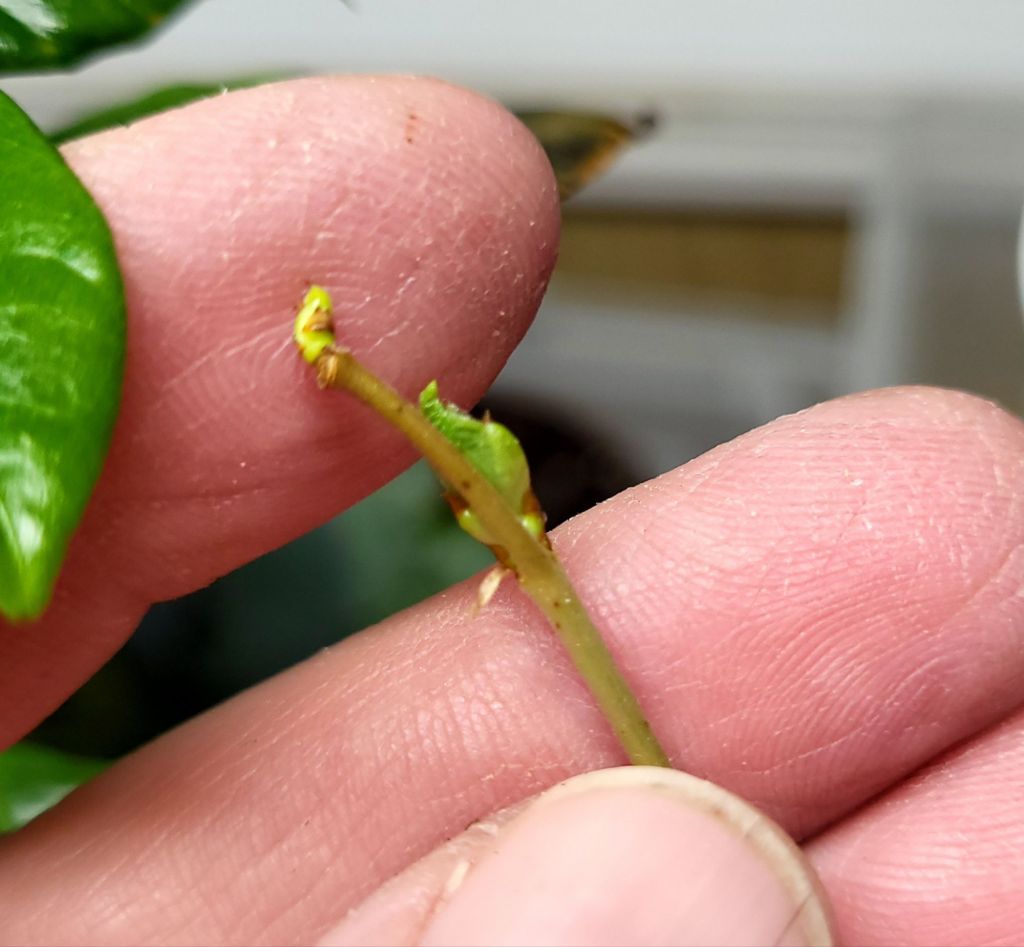


 The Re-Farmer