Analyzing our 2023 garden: fall garlic, perennials and food forest items

Okay, let’s get into our longer term planting!

First, the garlic, which was planted in the fall of 2022.

We planted garlic in one low raised bed, starting with cloves we’d saved from the one successful bed of garlic planted the previous year.

First, we had to reclaim and prepare the bed from the summer’s crop. Of our saved garlic, we got only 24 big cloves out of the six bulbs we kept! We then bought more garlic locally, rather than ordering it in, this time trying a soft neck garlic for the first time.

So how did they turn out in the summer?

Apparently, not good enough to warrant getting pictures of the bed as it grew. At least not any I uploaded into my dwindling WordPress media storage.

We seemed to have lost quite a few to the winter cold. I’d say we had almost a 40% loss on our saved garlic, which was hit the hardest. Interestingly, it was the soft neck garlic that did the best, as far as survival. We harvested all the scapes from both the hard neck varieties well before soft neck variety produced scapes. All produced decent, if not particularly large, bulbs at harvest time. As I write this, we still have some left to use for cooking. We did not save any for replanting. We just didn’t have enough to make it worthwhile.

Final thoughts on garlic.

We seem to have a problem with losing our garlic to the cold over the winter. For this fall’s planting, we got just one variety. They were all planted in the Old Kitchen garden, closer to the house. We made efforts to plant them more in the middle of the beds, as the outer edges of raised beds will freeze faster. That resulted in the 3 pounds of garlic we ordered being spread out over 4 raised beds. They also got a deep mulch. This winter should be a mild one, though, so the risk of loss due to cold will be reduced, too.

Also, we need to plant a lot more garlic. That one bed, even if we hadn’t lost as many as we did, was not enough to meet our usage needs. We could easily plant two or three times as many garlic. This fall, we planted 3 pounds of seed garlic, and while it’s more than what we planted last year, more would never be a bad thing!

Raspberries

This spring, we planted three Royalty Raspberry plants.

We do have raspberries here that my mother has been growing for decades, descended from plants I used to pick from as a child. They are almost a wild variety. For our food forest, we want to include different varieties that mature at different times of the year. We’d purchased a red variety of raspberries a couple of years ago, but the deer kept eating them. They are protected now, but are not recovering well. So when these purple raspberries were planted, in an area we’d planted peas and beans in previous years, we made sure they were protected from deer.

They did rather well, too. These were supposed to be first year canes, so it was a surprise when we saw them starting to bloom. Yes, they actually produced fruit!

No new canes that would produce fruit next year emerged, though. Which means that when they died back after fruiting… well, it looks like they’ve just died.

I keep forgetting to contact Veseys about them.

[Edit: I have since remembered to contact them, and have been told this is normal, and they should start growing in the spring.]

Final thoughts of raspberries

We all love raspberries. This was actually a pretty good year for them, and the old raspberry bushes produced quite well. Especially since we cut away the crab apple tree that suddenly died of a fungal disease last year. It had been shading the patch quite a lot. This year, that end of the patch got a lot more sun, and they clearly thrived.

As for the purple Royalty raspberries, we did get enough to taste, and do like them. We will look to replacing the dead ones, while also planning to get a gold variety, plus another red variety. The long term goal is to have lots of raspberries from June through to August.

Our first apple tree

We have plenty of crab apple trees, most of which are dying of a fungal disease, so we have to be really careful about getting new apples. This spring, we got our first eating apple tree; a Liberty apple. It’s actually a zone 4 variety, so we needed to also give thought on where to plant it. It needed to get the full warmth of the sun, while also being sheltered from the cold winds. In winter, it will need extra protection to keep it from freezing.

For this, we chose an area in the west yard, closer to the house. There are ornamental crab apples nearby for cross pollination. We’ve got tulips planted here, which need protecting from the deer, with dead and dying trees that needed clearing away. So that all got taken care of, and the apple tree was planted closer to a hedge of lilacs for extra protection from the elements, while still getting that full sun.

We also got a pair of mulberry trees that are rated to zone 3. When we ordered one tree from Veseys, they did not have the size available for 2023, so we got two smaller ones, instead. They were so tiny, we ended up not transplanting them. Instead, they got potted up and kept indoors. As I write this, they are much, much larger, and their leaves have turned yellow and are dropping for the winter. If all goes well, they will come out of dormancy in the spring, we’ll harden them off and plant them in our food forest area when we are past our last frost date, in June, next year.

Final thoughts on apples (and mulberries)

Finding apples that are good for fresh eating, that are also hardy to our zone, is a challenge, but they are out there. So why did we get a variety that’s zone 4?

I’m a sucker for punishment?

The variety had qualities we were looking for, from flavour to storability. Hopefully, it will work out, and acclimate to our winters over time.

When it comes to apples, one tree should produce enough for a family, but they also often need another variety for cross pollination. So we might pick up one more variety of apple in the near future. What we really need to watch out for, though, is that fungal disease that’s killing off our crab apples. I’ve been researching about it, and there’s nothing we can do about it. Once it’s in the soil, it doesn’t go away. So if an area is badly infected, like where the row of crab apples are now, we would not be able to plant apples there again and expect healthy trees. Yes, there are ways to treat the tree, but it’s not really an option for us right now.

As for the mulberry trees, I’m pretty excited about those. I’ve never had mulberry before, but my mother remembers they had a huge mulberry tree behind their barn, when she was a child in Poland. As a food tree, they are known to be productive to the point of nuisance, so they will be planted well away from the house. There’s a gap in the lilac hedge on the north side of the property that needs to be filled in. That would be a good place to transplant these. Eventually, they should grow into towering shade trees, so we need to make sure they’re not going to cause problems for other things we want to plant around there.

Last minute addition: saffron crocus!

This year, I was really excited to find out Veseys got a Canadian supplier for saffron crocuses, acclimated to zone 4! So we took a chance and ordered some.

These were planted in a trench in the fenced off area about the tulips and the Liberty apple tree this fall. For the winter, they got a deep mulch to protect them. If they survive, they can be expected to produce flowers with harvestable stamens in the fall of 2024, and each year, they can potentially triple as they expand.

If they survive!

Of course, every year, they will acclimate more to our climate zone, too.

Final thoughts on saffron crocuses

We don’t really use a lot of saffron, so if even a few survive to produce next year, that will be enough for our needs. Long term, if they do well, who knows. We might eventually have enough saffron to be worth selling at the local markets or something. If not… well, it was worth a try!

Recovering Strawberries and Asparagus

Last year, our purple asparagus bed was flooded out. It didn’t really affect the strawberries that were interplanted with them, but the asparagus crowns were buried 2 ft deep. I wasn’t sure any survived. In the end, we did get some asparagus plants growing, but they have been set back, at least a year. This should have been the first year we could harvest any, but that just wasn’t going to happen.

As for the strawberries, they recovered quite nicely after the winter and were soon producing.

We even got a few small crops.

Then the deer got to them.

We ended up rigging up protection around the bed, and the strawberries did recover. In fact, they began producing again, quite late in the season, because of the deer damage, and were still trying to produce, right up until the first frost hit them!

Final thoughts on strawberries and asparagus

We planted a purple variety of asparagus, and the plan had been to plant a green variety the next year, and to keep adding more every year until we had enough for our family to enjoy regularly. Well, that didn’t happen. The challenge is, asparagus is a 20 year commitment. We have to find places to plant them that will not be used for anything else for 20 years, because I sure don’t want to be transplanting them in the future. Since we’re still struggling to clear up certain areas, we just don’t have the space that can be used that way.

After last year’s flooding, we now have an idea of where the more susceptible areas are that we either have to avoid, or where we’d have to make a bed raised high enough that flooding won’t be an issue.

So, yes, we do still intend to increase our asparagus beds, with both green and purple varieties. It’s just been delayed. As for the asparagus we have right now, I’m hoping they recovered enough that they will do better next year. I don’t expect we’ll have enough to harvest next year, though. Maybe in 2025.

Asparagus is definitely a long term planning sort of thing!

As for the strawberries, these were purchased transplants that were interplanted with the asparagus because I’d read they do well together. Over time, however, I am now thinking to get more strawberries to interplant around the food forest area, as a sort of ground cover, rather than having dedicated beds to just strawberries.

Strawberries from seed

Now we move on to an impulse purchase that did surprisingly well. I got a kit to grow strawberries from seed. It was marketed for kids, but strawberries are strawberries, and we just can’t get enough strawberries in this household!

What started out as this…

… became this.

Yes, we actually got a few mature strawberries!

These got transplanted in the wattle weave bed along with some herbs, peppers, eggplant and luffa. Eventually, the Old Kitchen garden will be mostly an herb garden. I honestly didn’t know if they’d make it, or if they’d produce this year at all, they were so tiny.

The kit did not say what variety the strawberries were and, from the looks of the berries, they seem to be a type of wild strawberry. We only got maybe 4 or 5 ripe berries to try, and they were tasty, but not as tasty as the variety that were bought as transplants.

Final thoughts on strawberries from seed

Since this was a spur of the moment experiment, my expectations were not high, so it doesn’t mean much to say they exceeded expectations! Once transplanted, they did really well. I don’t think I’ll grow strawberries from seed again, though. The ones purchased as transplants were more productive (even after the deer got to them) and much tastier. We’ll see if these survive the winter. They are mulched, but they were planted along the edge of the bed, so are still susceptible to freezing. For all I know, they will produce larger berries once firmly established. We shall see.

Sunchokes

I kept forgetting about the Sunchokes, aka: Jerusalem Artichokes, this year! They are in a permanent bed next to the asparagus, and this is their second year. Last year, we’d planted 10 tubers in two rows. In the fall, I harvested half the bed, replanted 5 of the largest tubers, leaving the other half of the bed untouched. The sunchokes came up quite well from both halves. They grew nice and tall and…

That’s it.

Like last year, they never boomed. I never even saw any buds forming.

This was all we harvested last year.

I was going to harvest some this fall but, in the end, I just left them. We should have more to harvest, next fall. Instead, we cut the stalks and lay them down on the bed and covered them with a grass clipping mulch. As Sunchokes are native to Canada, they probably don’t need a mulch at all, but it won’t hurt.

There are people on some of the local gardening groups on Facebook I’m part of that also grow sunchokes. I saw several people talking about how they’ve been growing them for years, and they have never bloomed, wondering what they were doing wrong. Some old time gardeners have said theirs have never boomed, either, but they still get a good harvest every year. At least I know it’s not just here!

Final thought on Sunchokes

So, obviously, I don’t have much to say about the for this year, since we skipped harvesting them. When we did try them, we liked them, so I do want to let them grow and multiply, so that we can have larger harvests. After learning that other people in our zone that have grown them for years and never had them bloom, I guess that means we don’t have to transplant them somewhere else or something. We can just leave them were they are. Hopefully, next fall, we’ll be able to get a good harvest out of them.

Everything else

This is a follow up on the things we planted the year before.

We planted a bundle of 5 sea buckthorn. Two survived. They are still surviving and growing bigger. Eventually, we will get more to add to the privacy hedge. If all goes well, we’ll have at least one male sea buckthorn, and will eventually get berries.

We planted two highbush cranberry. Last year, the deer ate one of them, it recovered, and they at it again. I put an old saw horse of that one to protect it as it recovered again. This year, it was growing well, as was the other one, which is still unprotected. Amazingly, towards the end of the season, the one with the saw horse over it to protect it got eaten again! Given how late in the season this happened, I don’t know if it will recover.

Deer chewed Highbush Cranberry.

We planted 30 silver buffalo berry in two curving rows, to eventually act as a privacy screen. It looks like we’ve lost 2 of them, possibly 3. One, I expected, as I’d accidentally pulled it up last year while weeding, but one or two may have died before fall, too. Some of them are getting pretty big, while others are still quite small. With last spring’s flooding, one end of the rows was completely underwater, and they handled it just fine. It will be a few years, yet, before they get large enough to start producing berries.

We had planted 6 Korean pine in the outer yard. We have 4 survivors. This year, they were still quite tiny, and are still covered in their chicken wire cages for protection.

From what I’ve read, they grow very slowly for the first 5 years, then start to really shoot up, and eventually become very large trees. We got 3 yr old seedlings, which means this was year 5 for them. We shall see if they get their first growth spurt next year!

Final thoughts on our food forest.

Our long term goal is to have as many perennial food plants as we can manage. Fruits, nuts, berries, tubers, whatever. We’ve got a good start on it, and hope to add more to it every year. For some things, like the sea buckthorn and silver buffalo berry, these are multipurpose plantings. They should be prolific enough – eventually – to provide winter food for the birds, while the bushes themselves will be privacy screens and living fences. The far flung areas we’d planted corn, beans, squash, etc. last year were done to help prepare and amend the soil for permanent planting, and this year, only one small area was used to grow squash in. Next year, we hope to plant a fruit tree or something in that spot.

We are trying to be very selective on what we plant and where. We need to leave lanes open, wide enough to drive through, to be able to get at fences, etc. There is also the lane we will keep open because there is a telephone line buried under it. That means we need to consider root systems, as well, when locations are decided on.

The one thing we planted out there this year – the Royalty raspberries – appears to ultimately be a failure, since they produced this year, instead of next year, and died back. So very little progress was made in that area this year. We do have some black currant bushes that I am thinking of transplanting out there. They are closer to the house, but under trees. They bloom in the spring, but have almost no berries. They simply don’t get enough sunlight.

Over time, we will keep adding more to the area, as the budget allows. Pears, plums and gooseberries are on the list, and I’m seriously considering transplanting our haskap bushes. The “male” haskap, which is supposed to be the right variety to cross pollinate the two “female” varieties, is done blooming before the two other even start. I think they’re just planted in a bad spot. Too many tree roots, and too many of those perennial flowers that my mother planted there. Even though I’ve cleared them away from around the haskaps, they get so big, they still cover the bushes – and the haskaps are supposed to get big enough that it shouldn’t be an issue! We shall see.

The experiments.

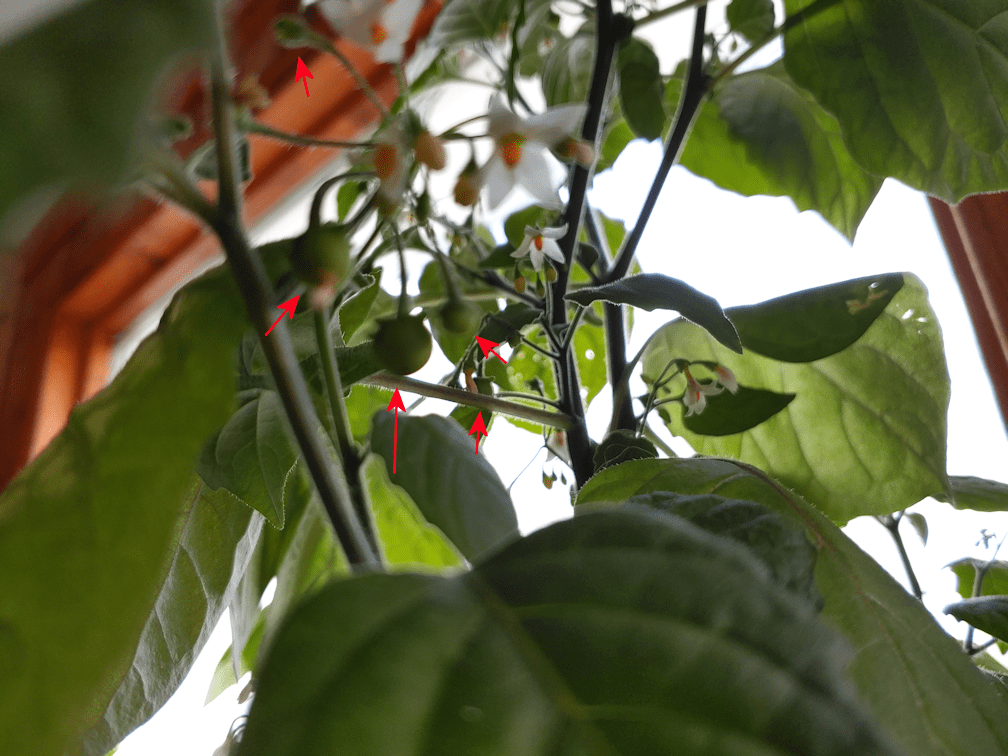
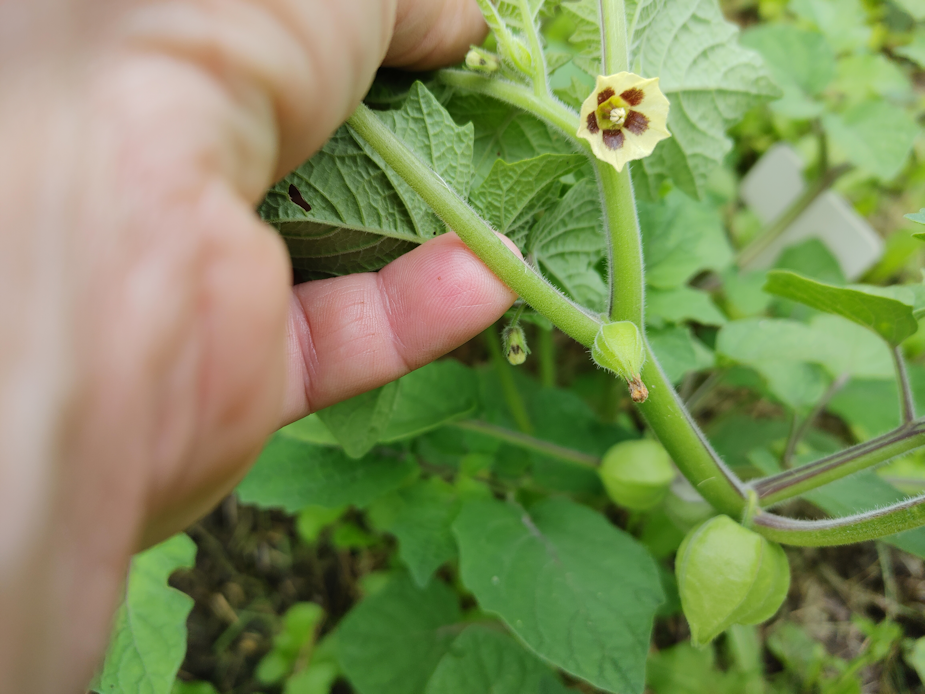
Last year, there were two things we planted that, while annuals, could be treated as perennials, because they self seed so easily. Wonderberry and Aunt Molly Ground Cherries. With those, I let them drop fruit to see if they would come back this year.

They did not.

We might still get some ground cherries in the future, but they were much more fragile a plant than I expected. They broke easily, as I reached under to find and pick ripe berries, and the patch itself got flattened by wind and had to be supported. If I do plant them in the future, I’d want to have some sort of supports for them, and I don’t know if they’re worth the extra effort!

That is where we are at now, with our fall plantings and perennials. Not a lot of progress there, this year, unfortunately. When it comes to perennials – especially trees – it can take years before they start producing, so delays in progress add years, rather than months, to having food production! At least things like berries produce faster and fill the time gap a bit.

Little by little, it’ll get done!

The Re-Farmer

Our 2023 Garden: September garden tour (video)

Last night was our average first frost night, and there was no frost. The garden survives another night!

Check it out. 😊

May the frost hold off at least as long as predicted. Cooler night means things are slowing down, so if we’re going to get to harvest things, we need as much time as possible for it to fully mature.

The Re-Farmer

A lovely morning!

We had another cold night last night, for this time of the year. Temperatures dropped to 6C/43F. It’s coming up on noon as I write this, and we’ve warmed up to 21C/70F, with an expected high of 23C/73F. I made sure to get outside to do my morning rounds a bit earlier, as we got word that my brother and his wife were coming out with the repaired riding mower, and it was just beautiful out.

Of course, I was checking all the garden beds, and saw so many of these…

A lot of the purple corn seem to have exploded with tassels emerging, overnight! I had expected them to get much taller, first. I may have made a mistake in choosing pole beans to plant with them, instead of bush beans! 😄

I also was able to pick a handful of the wild-ish raspberries growing around the old compost pile. Until this year, I would usually find enough to nibble on a few while doing my rounds, but not usually enough to be worth picking. They’re just starting to ripen now, and I’m already finding more than before – and that’s just in this patch. There are still the raspberries growing wild in other areas that we can pick from.

I even found a couple of fully ripe pea pods to nibble on, and some Saskatoons. The peas will have more ready to pick soon. So will the Saskatoons, if we can stay ahead of the birds! Even the sour cherry tree by the house is starting to ripen.

When I later put the washed raspberries on the kitchen counter, I had a good laugh. My daughters can be so silly at times! Last night, my younger daughter made mint syrup for the first time, and set it aside on the counter to cool, with a Post It note to let everyone know what was in the bowl.

Her sister added to the note…

Too funny!

My brother and his wife came out in their truck; the riding mower fits quite well in there. Once it was out, he showed me the things he replaced and repaired, and some of the things he found. There was one wire connector, for example, that he found was completely off. Which means the mower blade could not be lowered. Even if the chain he replaced was working, we couldn’t have use the mower! I have no idea when or how that happened, because the last time I tried to use it was right after it had had the chain put back on. The chain immediately fell of, so I never got to a point where I’d have tried to engage the mower.

He replaced the seat. I didn’t even think it needed replacing, but he explained it to me. It seems there was some video of me he’d watch, riding around on the mower, and the bottom of my sweater was on the top of the mower – a part that spins! This seat has a back on it, so that won’t happen anymore.

He’d replaced the battery cables and the corroded connectors, and they are now covered with a protective grease. He also found a new battery holder. That was one of those things where I’d seen something was wrong, but didn’t know what it was. There was a vertical metal bar that was wobbling around. I knew it should be attached to something, but couldn’t figure out what. It turns out it was one of the bars that held a plastic piece that was supposed to be holding the battery in place. There was no sign of the plastic piece. It was held in place with a couple of nuts and washers. This is something that can only be seen if the seat and cover are lifted. How or when the plastic piece fell off, I don’t know, but it had to have been fairly early on, because I have zero memory of ever seeing it there in the first place.

After showing all the changes to me and my younger daughter, who’d joined us by then, he started it up and tested it out on the outer yard grass before driving it into the garage.

As for their mower, the best I could do was make sure the tank was full, have it out and ready for them to load, and clean it off. They were happy to get their mower back. It’s slightly narrower and can store in their garage – ours was too wide! It’s also too wide to fit between some of their trees, so they couldn’t use it for that, either.

I am so thankful that my brother was able to do all this for us. He’s so sweet!

Once done with the mowers, we did a “tour” of things. They checked out inside the shed with the roof that collapsed; there’s still quite a bit of stuff in there, and my brother even borrowed the wheel barrow so he could move some of it to the barn, so it wouldn’t be exposed to the weather anymore. He was able to identify some of the things in there, including some things that really had me wondering why they are there at all – they are for equipment that the farm has never had! My SIL found some ripe cherries to try out, and we all got to snack on Saskatoons. She’d never had them fresh off the tree before, and loved them. They planted a Saskatoon bush at their place, but it’s too early to be producing yet.

We talked a bit about some of the trees we need to deal with. The elm in front of the kitchen really needs to come down, but that is one for the professionals, as are the dead spruces closest to the house. The cost is prohibitive, though. My brother, being the sort of person he is, just sort of took off suddenly and went on the roof to empty the eaves toughs. While there, he checked out the elm tree, which has branches overhanging the roof. At the very least, those need to be cut back, so they don’t damage the nice new shingles!

Altogether, we had a wonderful time, wandering around the yards and chatting about what we’ve been doing, what needs to be done, and what we’d like to do.

They had another surprise for us, though that will be brought out later. They found themselves with an air conditioner they’d bought for someone else, but is no longer needed. It’s been used for only a year. They have central air and don’t need it themselves, so they will be gifting it to us. It’s not the kind that fits in a window, though. It’ll need to be installed in a wall, and near a 3 prong outlet. We have a limited number of those. My brother walked around the house, talking to my daughter about where to install it. It was decided there was no way to install it upstairs and be able to plug it in. It also can’t go into any of the log walls. Since we have cat proofed the living room, that’s where it will be installed. So we will have to do some rearranging in there… again… in preparation for that.

It won’t be the most efficient location for air conditioning, but it’ll still make a world of difference!

They are so awesome!!!

So now I’m looking forward to using the riding mower around the main garden area. I didn’t want to use their riding mower for that, because it’s so rough, I was paranoid about breaking their machine.

I think today would be a great day to finally get that done! Or at least started. 😊

The Re-Farmer

Got some stuff done, and first fruits!

After the hours spent outside yesterday, trimming, cutting and dragging around trees, I fully expect to be in a world of hurt today. I wasn’t! Just tired. Sleepy tired, not fatigue tired.

Today was a wonderfully cool day and it would have been prefect to get back out there, but I decided not to push my luck. Instead, I went out and made recordings for a July garden tour video. My husband had some parcels come in, so in the afternoon I went to the post office to pick them up. My younger daughter got her new debit card in the mail, which needed to be activated by doing a physical purchase, so we went into town and she bought me lunch. After we ate, we went to walk on the beach. By then, I was really noticing my hips were starting to give out. No pain. Just… unstable. So I’m glad I didn’t push myself to do more work with the trees, just because I thought I was better than I really was.

I couldn’t let such a wonderful day go to waste, though, and took advantage of the riding mower my brother loaned us. I was able to do the driveway and most of the outer yard before running out of gas again. By then, the light was starting to go, and it had been trying to rain for almost an hour, so I left the rest for later.

One of the things I need to mow around in the outer yard is the pile of insulation buried in branches. It’s been there so long, there are trees growing out of it, and wild raspberry bushes.

Lots of wild raspberry bushes.

With ripe berries! The ones in the garden are almost ripe, but these had berries ready to pick now!

So after the mowing was done and the kibble topped up outside, I got the girls to grab some bowls and pick berries with me. I’m not sure what happened with my younger daughter, though. She came out using a cane! After we came back from town, she went for a bike ride and seemed fine, but something gave out on her. Her PCOS really affects her joints, and she worked hard in the basement today. None of us do stairs well at all! I didn’t get a chance to ask what happened, though.

After we picked some berries, I was going to do my evening rounds when I remembered, we have other berries, too! There are Saskatoons ready to pick. My older daughter helped pick for a while, then commented on the cherry tree by the house. It has so many cherries on it, and some of them are just starting to turn red. I told her to go take a look at the other cherry trees along the edge of the spruce grove. I have been able to just see red cherries there. She took a look and forced her way closer, to pick some.

She was able to get at a whole 4 ripe cherries!

My older daughter and I ate those. They’re really sour cherries, and she and I are the only ones willing to eat them fresh like that! 😄

Not too shabby for a first berry harvest of the year! The girls washed them and made whipped cream to go with them. They were awesome.

The weather is supposed to be quite pleasant for the next while – slightly below average for July. I’m pretty excited about that. Hopefully, that means I can finally get lots done outside!

The Re-Farmer

Finally done!

I put together a video of the work I did yesterday. No audio, so I wanted to add music to it today.

I spent so much time trying to find public domain music that fit the mood I wanted. Then my daughter came in and helped me pick music that was already in the software I’m using, in a matter of minutes.

She’s now interested in making videos. I have no doubt she would do a better job than me! So at some point, you might start seeing better quality videos getting posted.

For now, this is what I got done yesterday.

We settled on this location for the new Liberty apple tree for several reasons. The main one is, it is a zone 4 tree, which means it will need more protection in the winter. Where I was thinking of planting it originally is far more exposed, and will remain so until the silver buffalo berry reaches maturity.

Here, it will get full sun, but also be sheltered from the north by the lilacs. It also needs another variety of apple tree for pollination. While I took down the one crab apple tree, there are the ornamental crab apples in the old kitchen garden, plus another crab apple tree, though we’ll see how well that one does. It will likely be taken down, eventually.

The little plum trees were also removed; we’ll see how the larger ones do this year. These are not edible plums, though my father did use them for wine making sometimes. They have almost no flesh around their pits.

If all goes well, we’ll start having apples to harvest in a few years. The new apple tree can reach a mature height of 18-20, so if we do plant any other fruit trees here, we will need to keep that in mind. If we do end up taking out the one crab apple, and possibly the remaining inedible plums, I figure we have room for one more fruit tree here.

My parents planted so many things in this little area over the years; I remember there being mountain ash (there are none left at all now), a pear tree, other crab apple trees, plus I thinned out caragana and lilac. Oh, and there’s the big linden tree at one end, now. It’s one of the few things that is doing well! I’m sure there were other things that came and went in the 30 or so years I’ve been away.

Now that I’ve cleared as much as I have, the lilacs will hopefully grow better. When I first cleared the area of dead stuff back in 2018, I found most of the lilacs had stretched to very unusual heights. They had leaves pretty much only at the top, as they struggled to get sunlight. They are recovering, but still a lot lankier than lilacs normally would be.

The main thing, though, is that the new apple tree and the tulips have that barrier around them. It’s small enough that I hope no deer will consider it worth trying to jump it. Over time, we will add things to the wire to blow, flash and make noise in the wind.

One thing I noticed only after watching the time lapse video I took.

I had a LOT of cats running around while I worked!

The Re-Farmer

Our 2023 garden and food forest: order is in!

This morning I headed into town to refill our big water jugs and pick up a few things at the grocery store. By the time I headed back, our post office was open. I’d checked the tracking last night and knew our Veseys order would be in today, but when I got there, she still hadn’t had a chance to finish processing all the parcels that came in. She found them for me, though – among several other boxes from Veseys that I could see! They are a popular company, with good reason.

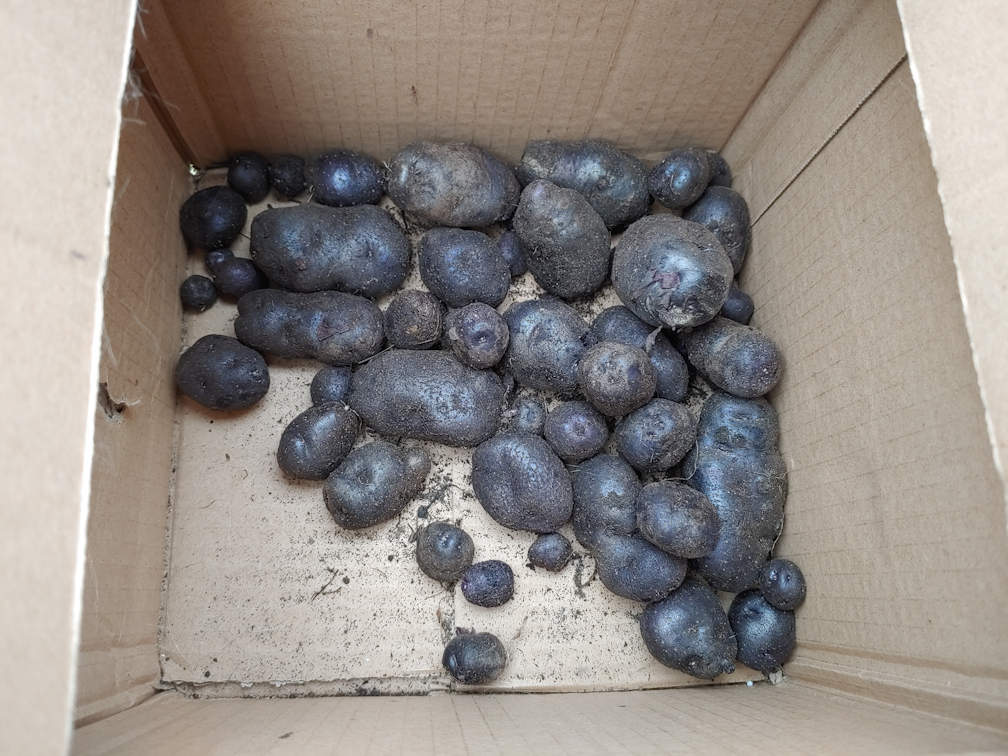
For the potatoes, we got a total of 4 pounds each of Red Thumb fingerling and Purple Peruvian fingerling. We really liked the Purple Peruvian when we grew them a couple of years ago, and I’m hoping we’ll have enough to save seed potatoes for next year.

There is also a 3 pound back of Irish Cobbler.

Two of the above images are from the Veseys website. The Purple Peruvian are some of our own harvest.

I can see that the potatoes have already started to sprout. We’ll need to lay those out for air circulation as much as for chitting. I’ll have to go through the old feed bags we have and see how many are left, since we’ve stopped buying deer feed and bird seed. We have too many slugs and not enough garter snakes or toads, to try growing them in the ground again.

Then there was the box with our trees.

Would you look at those mulberry trees!!

I knew they would be small, but I didn’t think they would be THAT small! Normally, there would have been a single, larger, 2 yr old sapling, but they had a shortage of that size. Instead, they sent out two 1 yr old saplings for the same price.

The above pictures are from Veseys. Hopefully, in a few years, we’ll have apples and berries to harvest!

Right now, I’ve got them out of their plastic bags and set up in the living room, safe from the cats. I find myself seriously considering leaving them to grow indoors for a year but… well… I don’t know that their chances for survival would be any better indoors than out! We will have to make sure to put a cloche over them when they are planted, to protect them. The funny thing is going to be transplanting these tiny little things with their fully grown size in mind. They can grow 15-20 ft high. This variety is supposed to be hardy to our zone, but winter protection is still something we’ll want to ensure. At least for the first couple of winters.

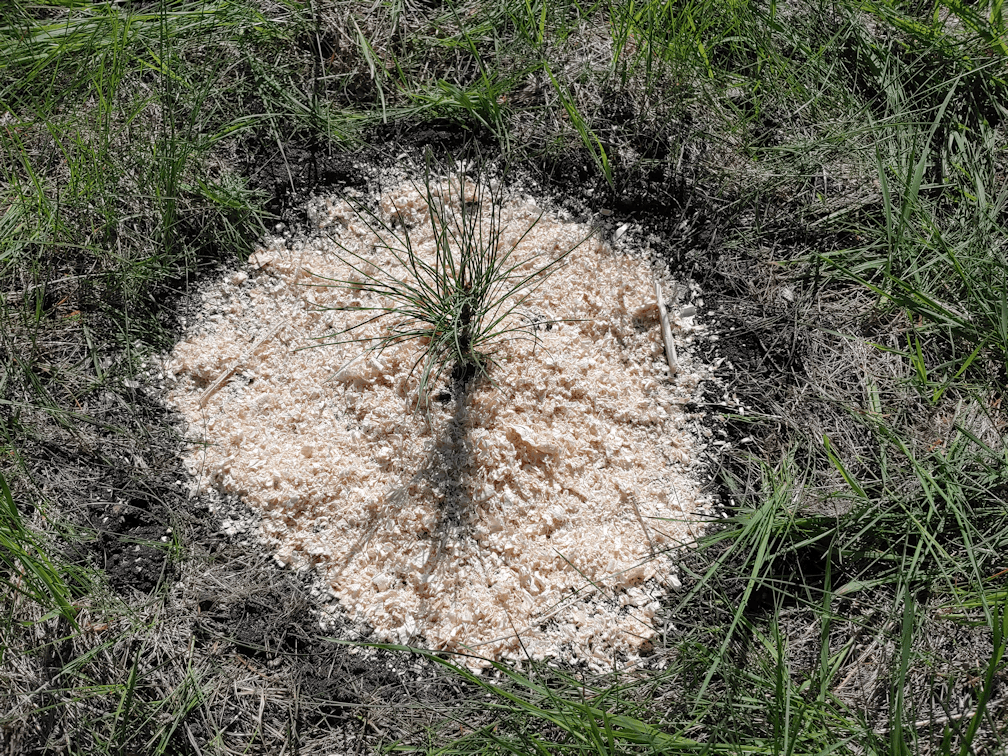
The apple tree is quite a bit larger! It started raining as I got home, so it might be a little while before we plant it, so I opened the plastic bag and set it up next to the mulberries. I didn’t take it out, since it’s packed in sawdust.

The planting instructions for the mulberry state:

Unless you have heavy clay soil, there isn’t much to do in terms of soil preparation. You can add amendments such as compost or peat moss to the soil and/or a layer of mulch over the root area after planting will help retain moisture, especially during the first year. While it may be tempting to add fertilizer or manure to your freshly dug hole before planting your new tree, PLEASE resist! Fertilizer or manure in close contact with the root system could chemically burn the roots and potentially kill the tree.

Mulberry trees can grow quite large, up to 15-20 feet tall. Avoid planting near walkways and driveways as the fruit will drop and create stains. Mulberries are self-fertile and require full sunlight. 

https://www.veseys.com/ca/trader-everbearing-mulberry-37817.html

Where we will be planting them, the soil is very rocky and hard packed, and a whole lot of sun, so we’ll be giving them some garden soil to grow in, and plenty of wood chip mulch around them.

It’ll be different for the apple tree. The planting instructions are:

Plant apple trees 5-6 meters (15-18 feet) apart in the spring in a full sun location with good air circulation and drainage. For best results, two varieties should be planted to ensure successful pollination and fruit production.  Dig a hole large enough to accommodate all of the roots without bending (approx. 18 inches). Place the tree in the hole with the graft union about three inches above the soil surface. You should be able to see the soil mark on the trunk where the tree has been taken out of the ground, it should be planted no deeper than this. Mix compost with the soil to fill back in the hole once the tree is set in place, and lightly firm to ensure good soil root contact. Water surrounding the tree to ensure good root establishment. Water every two to three days if your season is dry.

https://www.veseys.com/ca/liberty-apple-tree-37810.html

It will be planted closer to the crab apple trees for cross pollination, but far enough away to hopefully protect it from the fungal disease that is killing them off. This variety is also a zone 4 tree, which means it will need shelter for the winter.

Hhhmm… I’m rethinking where to plant the apple tree. There are some dead and dying trees in the west yard that need to be cleared out. Better shelter, full sun, and close enough to the ornamental apple trees in the old kitchen garden for cross pollination.

We’ll figure it out. That’s now our job for the day!

The Re-Farmer

Our 2023 garden: Royalty Raspberries are in!

It has just reached noon as I begin writing this and apparently we’re at only 14C/57F out there. That can’t possibly be right, because it felt so much hotter while we worked outside!

Today, we made our newest addition to what will be our food forest area.

I picked up our Royalty raspberries from Veseys at the post office this morning. They’re even showing leaves already! Getting these in the ground became our top priority.

This is where I decided to start planting raspberries (we will be adding more, as we are able). You can see the remains of the row where we’ve been planting peas for the past two years.

Because there is a phone line buried nearby, we are keeping an area open that’s large enough to drive through on the north side, where I am standing to take this picture.. With that in mind, these first raspberries were lined up with the cranberries that mark the ends of the berry bush rows we planted last year. That sawhorse on the left is over one of the cranberries.

Of course, I was hitting a lot of rocks while I dug the holes! One of them had more roots than rocks. After this, I watered the holes a bit, then went and got some of the soil in the garden we sifted free of weeds and roots last fall. This is soil we’ve been working on and amending for a couple of years now. It’s been covered by black tarp since then, so I knew it was still clear.

My daughter, meanwhile, brought over the raspberry transplants – and a lopper to cut those roots out!

The canes were planted into new, root-free, soil, then given a bit of a watering. Each of them got a tomato cage to protect from the deer.

Last of all, a deep mulch of wood chips was placed around them, then a final watering. The sod that was removed got broken up and spread out, while the rocks from the holes, plus rocks that had been left at the ends of other rows we’d grown in last year, were collected. Thse all got dumped into the new groundhog hole we found next to the house when the snow melted. It still doesn’t look like it’s being used, nor does the original one beside the dining room door steps, just a few feet away. For now, we’re just going to block off the one. The other one is behind a mock orange bush, so I’ll want to fill that one with soil, first, if it keeps looking unused.

My daughter is quite happy with the raspberries. The ones we planted before, that I got her for her birthday, were eaten by deer and hit with drought in their first year, and never really recovered. It’s too early to tell for sure, but I don’t know if they survived this past winter. If they did, we’ll probably transplant them near these ones, in the fall. As we add more, the rows will extend to the south, with more rows added to the west, were we’d been planting beans and peas.

This is why we’ve been planting vegetables so far from the house for the past couple of years. To give the food trees we’ll be planting here a better chance of survival!

Oh, and while I was digging holes, my darling daughter fixed the sun room outer door that wouldn’t close. It turned out to be the latch plate was coming loose. The door does still stick at the top, but it at least closes now. It seems the wood is rotting, and that’s why it came loose. The main thing is that we can use the outer door for now, and leave the inner door open, for air circulation. When my daughter came out through the sun room, she noticed the windows were starting to steam up!

She’s so handy! 😊💛

The Re-Farmer.

Analysing our 2022 garden: ground cherries, wonderberry, Korean Pine, sea buckthorn, silver buffalo berry and highbush cranberry

Okay, it’s that time! I’ll be working on a serious of posts, going over how our 2022 garden went, what worked, what didn’t, and what didn’t even happen at all. This is help give us an idea of what we want to do in the future, what we don’t want to do in the future, and what changes need to be made.

2022 saw us making some significant steps towards our perennial and food forest plans. This included getting nitrogen fixing berry bushes that will also act as privacy barriers and wind breaks, and annuals that are known to easily reseed themselves and can be potentially treated as perennials.

Let’s start with the berry bushes.

The majority of what we got in 2022 were silver buffalo berry, which came in a pack of 30 bare root plants.

As you can see by the first picture, they certainly got affected by the flooding! Mostly just at one end, though – around where you can see the old saw horse in the second picture.

We also got a package of 5 sea buckthorn, which were planted along the lilac hedge, to fill in a gap in the hedge that the deer jump through.

Those are the nitrogen fixers, but we also got a couple of highbush cranberry, which were planted at the ends of the rows of silver buffaloberry, not far from the sea buckthorn. Unfortunately, one of the cranberry saplings got chomped by a deer.

Twice.

That sapling now has the sawhorse over it, to protect it.

The deer seem uninterested in any of the other saplings.

Unfortunately, of the 5 sea buckthorn, one transplant didn’t seem to take at all, and another died soon after. A third got broken somehow and never recovered. So we are down to just two sea buckthorn.

As for the silver buffaloberry, they all seemed to survive. We might loose one of them, but that’s my fault. While I was weeding around them, I accidentally pulled one up. I replanted it immediately, but we won’t know if it survived until next year.

Conclusion:

I’d say our first food trees did okay, for their first growing season here.

We will need to get more sea buckthorn, but we were going to do that, anyhow. Sea buckthorn requires 1 male plant to pollinated up to… I think it’s 5 female plants. The problem is, there’s no way to sex the trees until they are at least a few years old. It’s entirely possible all the saplings we got were female. We were planning to get more later on, which would increase our chances of having both male and female plants.

With so many silver buffalo berry, even if we loose some, there should still be plenty to have the privacy barrier they are partly meant to be.

Now, if we can just keep those two highbush cranberry alive, that would be a good thing!

Thanks to getting the branch pile chipped this summer, we also had plenty of wood chips to place a thick mulch on the carboard around the berry bushes. That should help them a great deal.

It will take a few years before we know how well these do. They are all supposed to be prolific berry producers. If it turns out we don’t like sea buckthorn or silver buffalo berry, they will still serve to help feed the birds, and as nitrogen fixers, privacy screens and wind breaks.

As for increasing our food forest, we currently have two different varieties of apple trees on order. We have a lot of crab apple trees, but we’ve found only one of them tastes good. The very small apples are good for making vinegar and hard cider, plus we have made apple sauce with them. There was a second crab apple tree that had tasty apples, but it seems to have died over the summer.

We’ll have to cut down others that have either died, or have a fungal disease. We will likely end up with just two crab apple trees in the row along the main garden area. Those will be able to serve as cross pollinators that the eating apples we ordered will need.

Also on order is a pair of mulberry bushes specific to our zone, which will arrive in the spring, about the same time as the apple trees. Little by little, we’ll be adding other cold hardy fruit trees, such as plums and pears, but we really need to get started on planting nut trees, as those can take a decade before they start producing.

Speaking of which…


We also planted 6 Korean pine, in the outer yard.

Of the 6 we planted, one promptly got dug up by something. I found the seedling and replanted it, but it did not survive. After that, I picked up some dollar store picnic protectors to put over them. The white fabric made them easy to see, too.

Over the summer, one other seedling died, so we are now down to four. They started to get too tall for their covers, so I used chicken wire, sprayed with orange marking paint for visibility, to create larger protective cages for them. My mother gave us an ash tree she’d grown from seed, and that was planted in one of the spots where a Korean pine hadn’t made it, also with a chicken wire protector around it.

Conclusion:

With the Korean pine, loosing 2 out of 6 is not a major concern. One mature tree would be enough to meet our needs. Anything beyond that is gravy. It’ll be a few years before we really know how they do. These are 2 yr old seedlings, making 2022 their 3rd year. I’ve read that they grow slowly for the first 5 years, then suddenly start getting huge. They are still considered a slow growing tree, and we’re looking at another 6 years before we can expect to harvest pine nuts.

These trees can potentially reach 30 ft wide and 60 ft high, which meant we had to plant them far apart, and take into account other ways we use the area – such as keeping a vehicle sized lane open to access the secondary gate. Over time, we will probably plant other nut trees in the area, as many of them have a chemical they release into the soil, so they have to be planted well away from our vegetable garden and fruit tree areas.

This is all long term stuff. Let’s take a look at the short term stuff now!


This year we planted Aunt Molly ground cherries, and Wonderberry.

The ground cherries are something we’ve grown in containers on a balcony when we were still living in the city, so we at least knew we like them. I’ve seen this on lists of things not to grow, because they reseed so easily, but for me, that’s a bonus.

The Wonderberry is something we’d never grown before, but they were also described as being something that reseeds itself easily, and comes back year after year. We had never tried them before, but the berries are supposed to be good for many things and, if it turned out we didn’t like them, they would still be a good food source for birds.

Which meant that, for both of them, we had to consider planting them in locations where we could allow them to come back, year after year.

The Result:

Based on research, we started the Wonderberry indoors quite early. They were among the seedlings that got damaged by cats and had to be restarted. In the end, we had three plants that could be transplanted, and they actually were doing a bit too well!

The Wonderberry quickly became too large for our indoor growing spaces, including the plant shelf we set up in the sun room. They ended up having to be on another shelf on the side, where there was nothing above to constrict them. They were blooming and forming berries before we could transplant them! We put them around the stone cross in the yard, after pulling up the invasive bell flowers as best we could. Hopefully, the Wonderberry will crowd out the weeds, instead of the other way around!

The ground cherries were planted in a new bed near the compost ring. I had concerns that the transplants would not make it, as the ground was so incredibly saturated. Make it, they did, and they thrived in that location! They got so big that they could barely hold themselves up. After high winds knocked some down, I had to set up supports on one side. They kept right on growing and blooming, and setting fruit.

Conclusion:

After transplanting, the Wonderberry seemed to take a while to recover, and they never got much bigger. However, they continued to bloom and produce berries until the frost finally got them.

The berries themselves are… not anything special. They didn’t live up to their descriptions. They were surprisingly prolific, considering how small the plants remained. We were fine with eventually leaving them to go to seed, and we shall see if they come up again in the spring. The only problem is their location: I kept forgetting they were there, when I was weeding and watering! So they were a bit neglected. I think they can handle that all right, though!

The ground cherries, on the other hand, were amazing! They got very large, and started continuously producing so many flowers and berries! The plants got so thick, it was actually difficult to reach and harvest the berries. Mostly, I picked what had fallen to the ground, as I knew those would be ripe. Ultimately, though, I just let it go, so that more could fall to the ground to grow next year.

If they do start growing, I want to put in a support structure using some horizontally placed 4″ square fence wire we found, to help support the plants as they grow taller. In fact, I might put two layers of the wire supports, given how tall the plants got!

These berry bushes, whether shrubs or annual plants, are all part of plant to feed not only ourselves, but birds and even the soil. I think we got a good start on the whole thing. This is definitely an area that requires long term planning, and careful decision making. As much of a problem the flooding was, it did give us information that will be quite useful as we make these decisions.

The Re-Farmer

Our 2023 garden: first order in, with Veseys

We haven’t even done a thorough assessment of our 2022 garden, nor fully decided what we plan to grow next year, but I’ve gone ahead and made our first order for next year’s garden, today.

The main reason is, there are things I wanted to order before they have a chance to be out of stock. Particularly with trees for the food forest we are slowly developing. These will be shipped in the spring, and we won’t be billed until they are shipped. I ordered seeds as well, because I used a sponsor promo code from Maritime Gardening, which gives free shipping if there is at least one package of seeds in the order.

This is what I ordered today. All images belong to Veseys, and links will open in new tabs, so you don’t lose your place. 😊

The new Trader Everbearing Mulberry is the main reason I wanted to place an order right away. We tried a different variety before, that promptly got killed by an unusually cold night shortly after it was planted. Cold enough that even if we had this variety, it likely would not have survived, so soon after being planted.

Here is the description from the site (in case you’re reading this years later, and the link is dead).

Morus alba x rubra. There are so many things to love about ‘Trader’ Everbearing Mulberry! First, the tree itself is absolutely beautiful and can be grown as a single trunk or multi-stemmed shrub. Big, glossy black fruit are present throughout the summer and are an irresistible blend of sweet and tart. Even the leaves are starting to be considered a super-food and can be made into a powerfully healing tea. ‘Trader’ is winter hardy (Zone 3-4), vigorous, long-lived and disease and pest resistant.  We ship 8-12″ non-grafted tree.

Please note: Due to a crop shortage, we are not able to supply the Mulberry in a 3.5″ pot. We can supply in a 2.5″ pot. Since these are smaller, we will send 2 of the smaller size for spring 2023.

That last bit about pot sizes is another reason we wanted to order the mulberry right away. They may be smaller, but we’ll be getting two trees for the price of one. Which means chances are better for at least one of them to survive!

The other tree we ordered was Liberty Apple. From the website:

Malus. Superlative variety resistant to a host of diseases. This apple has outstanding flavour and is aromatic and juicy. The conical red fruit is among the very best and as an added bonus is excellent for cider. Crispy, juicy apples right in your back yard. Good Scab resistance, making them much easier to look after. For best results, two varieties should be planted. We are offering 1 yr. whips. approximately 18-24″ in height which have been grafted onto hardy rootstock. They should mature to about 15-18 ft. Hardy to zone 4.

Yes, it says zone 4 and we are zone 3, but we will just have to take extra care in where it’s planted, and to protect it while it’s small. We have crab apple trees, but no regular apples. One apple tree should be enough to provide for our needs, and the crab apples will be the second variety pollinator.

Then there are the seeds.

While we didn’t have much to show for peppers this past summer, that had more to do with our horrible growing year in general. My pepper loving daughter had thought we would be ordering several varieties for this past year, but I’d only ordered the one type. I think we learned enough about growing them to order more varieties, so I ordered a sweet bell pepper combo.

This is Vesey’s Sweet Pepper collection, and here is their description:

A few of our favourite sweet peppers! This collection contains 3 pkgs, 1 each of Early Sunsation, Early Summer and Dragonfly sweet peppers.

Early Sunsation: Bright yellow and big. Very heavy yielding with thick, juicy walls. This variety stays nice and crisp even when fully yellow. 3 lobed fruit. Resistant to Bacterial Leaf Spot races 1-3. 65 days to green; 80 days to yellow from transplanting.

Early Summer: Elite, early and extra large! Early summer is an early maturing, yellow bell pepper. The fruit are large at 5″ and an elite disease resistance package gives Early Summer a winning combination.

Dragonfly: Sweet and colourful. Dragonfly’s early production was a standout for our trial staff. Fruit emerges green and turns deep purple when mature. Dragonfly continues to produce fruit into the fall even after temperatures have dropped.

The Early Summer is new to Veseys for the 2023 growing season.

There was another new for 2023 item I just had to order.

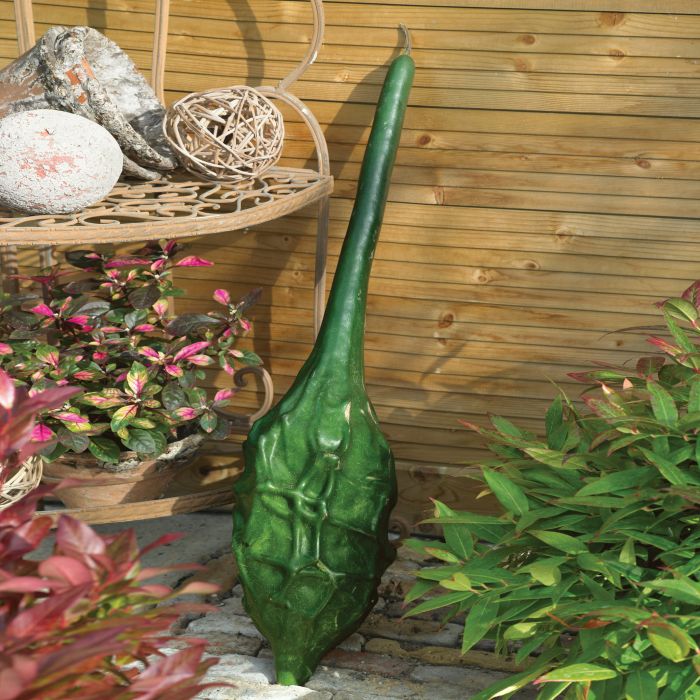
The Caveman’s Club Gourd! This is definitely something for the “just for fun” list. 😁

Truly different! This 12-16″ gourd produces a dark green, ridged, alien-like, bulbous fruit that are not like anything we have seen before! Growing them on a trellis ensures a straight neck. Plant early for best results. Matures in 120 days. Approx. 15 seeds/pkg.

I just couldn’t resist. This will be an ideal thing to try growing on the new trellis tunnels we will be building in the spring.

After we’ve taken the time to assess things from our 2022 garden, then gone through what seeds we still have, we’ll start making final decisions about what else we want to order for the 2023 growing season. One thing we will almost certainly be ordering are different raspberry bushes, that mature at different times. Any raspberries we order won’t start producing until their second year, so what we order to plant in 2023 will be to have raspberries in 2024. As we add to our perennial food producers, while still staying in budget, it’s a balancing act between ordering things that will take years before they start producing, like the apple and mulberry trees, and things that will start producing more quickly, like the raspberries.

Little by little, though, it’ll get done!

The Re-Farmer

Our 2022 garden: some growth, a first harvest, tree status, and no, that is not a funeral pyre

It was a very early morning for me today. The cats got active at about 4am and wouldn’t stop! I finally gave up and did my morning rounds while the girls were still cooking down the crab apple sauce for me to can later.

Parts of the province got frost warnings last night. We did not, thankfully, though the temperatures did go down to 5C/41F. It was still only 6C/43F while I was outside. I actually had to wear a jacket!

Today is our average first frost date and, while it was chilly last night, it is expected to warm up again over the next few days, and stay mild for the next couple of weeks, at least.

The garden is on borrowed time right now!

We actually have a few tiny little Purple Beauty peppers ripening! They are much, much smaller than they should be. These should look much like your typical grocery store bell pepper, in size and shape. That we got any at all still amazes me, though.

The one Little Finger Eggplant that is producing fruit is growing so fast!

No, I’m not pointing to anything there. I’m just moving a leaf while not blocking the view of an eggplant at the same time. 😁

The other plant sharing it’s space is blooming, but still no eggplants, while the plants in the low raised bed aren’t even blooming, yet.

As for this morning’s harvest, we got a first today!

We actually had grapes ripe enough to pick! There are still come clusters that are not ripe, yet. There isn’t a lot in total, but last year we basically had nothing, so that is no complaint at all. I’m not sure what to do with such a small quantity, though.

I finally remembered to go into the outer yard and get a picture of the Korean pine. Here, you can see three of the four surviving pines.

You can just see a mowed path going off to the left. That leads to the fourth surviving pine. The six pine had been planted in pairs on either side of the lane we want to keep open to the secondary gate that I normally would have kept mowed.

The chicken wire covers painted high-viz orange seem to be working out so far. My only concern is that chicken wire isn’t very strong. If the renter does let his cows through to graze in the outer yard, it couldn’t take much for a cow to crush one of them. I’m counting on them simply avoiding the cages, instead. Or deer, for that matter. We’re more likely to have deer going through here than cows.

You can see the other big branch pile on the right of the photo, with some fresh branches on top. Now that the other piles are chipped, any new prunings will be added to this one. Today, I pruned a bit around the stone cross, opening things up and even giving a bit more sun to the Wonderberry. I also started to break down one of the dead crab apple trees near the one that we harvested from. The dead branches are well entangled in the other trees, so it will be done piecemeal at first.

One of the other things I got done, though this was last night, was go through the pile of logs the chippers left next to the burn barrel. I’d already set aside a stack of pieces that are not rotten, quite straight, and useable. The rest of the pile of unsalvageable wood is now moved.

I laid it out around the pile of burnable junk we’d been stacking against the branch pile. Much of it is old newspapers and catalogs we’d cleared out of the sun room when we cleared and cleaned it out the first time. We intended to burn it in the burn barrel, but it’ll just be easier to do a bon fire! The straw is what was cleaned out of the cats’ house, so it’s not something we can use as mulch, or even for the compost.

Once we do have a day to start a burn, we’ll have to take turns keeping an eye on it. This will take a long time to burn through! This is something that could smolder for days. Plus, I plan to drag over branches from the pile next to the garage that the tree guys couldn’t chip, to clean that up, too.

When the girls saw this, the first thing they said was, “nice funeral pyre!” 😂

Yeah, it does kinda look like that! 😁

The Re-Farmer