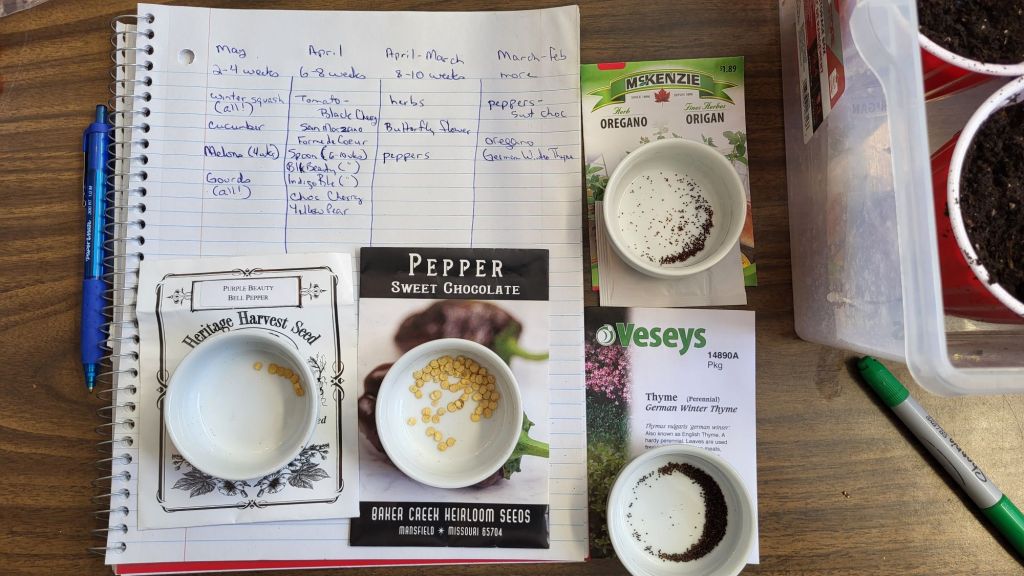
After marking out the weeks backwards from our June 2nd last frost date on our calendar, I then went through my bin of seeds and organized them by when they need to be started indoors. Then I picked out the ones I could get started now.
We won’t be starting everything that we have seeds for.
Starting from the 3-4 weeks list:
I still haven’t decided if we’re going to plant any gourds at all this year. There are several I really want to grow, but we just don’t have the space. With the winter squash, we have the new packet of mixed winter squash seeds to try, plus one type for pies my daughter asked for. With the mixed seeds pack, we will of course want to plant the entire package, and see what we’ve got! I would still like to try the Honeyboat Delicata squash again; the few we got didn’t get a chance to fully mature, but they were great in the pie my daughter made! We also really liked the Pink Banana and Georgia Candy Roaster. There are other varieties that didn’t do well that I want to try again, just so we can decide if we like them or not, but that will depend on how much space we have. The problem is, there are a LOT of things that need to be started in that 3-4 week time span. I’m still not sure if we’ll do cucumbers this year. I’d rather use the space for the melons and winter squash. We’ll be skipping the hulless seed pumpkins this year, but I really want to try the Crespo squash again. Last I saw, Baker Creek didn’t carry the seeds anymore, so I want to successfully grow at least one to collect seeds from!
As for the tomatoes in the 6-8 week list, we’ll not be planting all that we have seeds for. We’ll do the San Marzano paste tomatoes for preserving and the Black Cherry for fresh eating. The free seeds we got are tempting me greatly, and I always want to grow more Spoon tomatoes! They’re just fun. I want to start quite a lot of the San Marzano, but not as many of the cherry tomatoes. I don’t want a situation like last year, where we ran out of space and had to give away so many transplants!
From the 8-10 week list: the Butterfly Flower is a type of milkweed, so I definitely want to get those going. We have three varieties of “early” peppers that I waited to start last year. They have such a short growing season, technically we could direct sow them. It didn’t work out. They didn’t get to produce, though with most of them I now know that the grow bags they were planted in were invaded from below by roots from the nearby Chinese elm. So we’ll definitely need to keep that in mind, when deciding where to transplant them this year. I will be starting fewer seeds, shooting for at least 2 plants per variety in the garden, but between the 6 varieties I’ll be starting this year, we’ll still have plenty for our needs. Hopefully, my family will have peppers of each kind to try, so we can decide which varieties we like enough to keep growing, year after year.
You’ll notice there are no summer squash on my list. Those got moved to the direct sowing bin. I’m not going to have the space to start them indoors. As long as I can keep the slugs away from them, they should be okay to start outdoors.
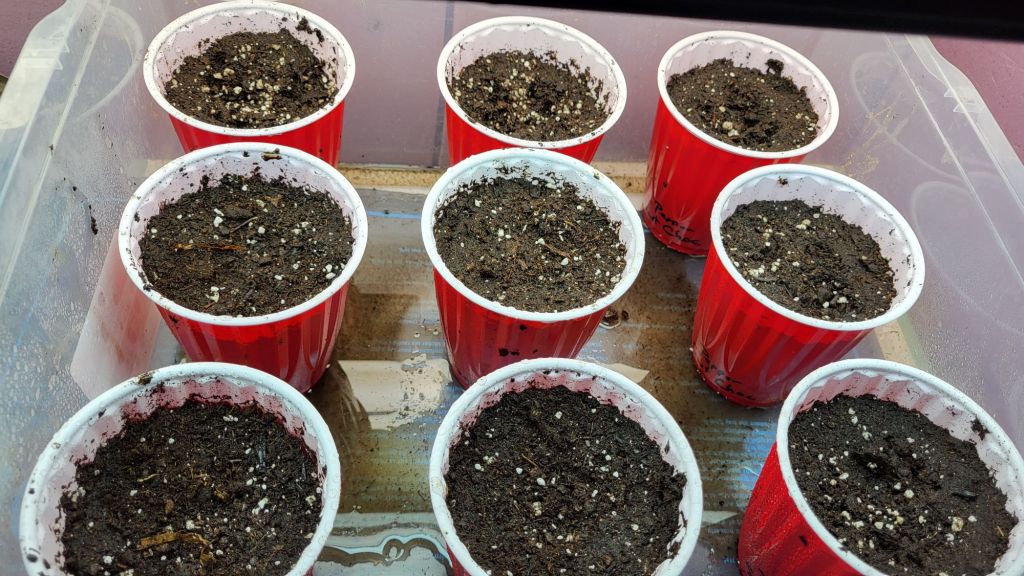
There were four things I could start today. Since I was after fewer plants per variety, I decided to go with the Red Solo cups to start them in, rather than the larger trays with smaller grow cells.
With the herbs, I’m just doing the oregano and German Winter Thyme again. The chamomile we planted last year should have self seeded, and we’ll see if the spearmint survived the winter in their pot. We ended up not using the lemongrass at all, so I’m not trying them again this year. We’ll plan out our herbs more, as time goes by. The herb seeds are so incredibly fine – especially the oregano! They got surface seeded over the pre-moistened seed starter mix, then covered with a light dusting of dry starter mix to just barely cover them, followed by a spritz to moisten the tops. Vermiculite would have been better, but I don’t have any. The herbs went into two cups each. With such tiny seeds, there’s no way to know how many I managed to sprinkle onto them. I still had seed left over, too, so if they don’t take, I can try again. The oregano really struggled last year, and I ended up with only one surviving seedling to transplant. That one plant did well, at least! They were started in the little Jiffy pellets last year, so I hope they do better in the larger cups and a different growing medium.
I decided to go ahead and plant the last of our Purple Beauty seeds, which are two year old seeds. The first time we planted them was a year of drought and heat waves, and they did very poorly. Last year, what was planted in that bed also struggled, so I think it’s more a problem with the soil in that bed. I split the last 7 seeds of Purple Beauty between two cups.
The Sweet Chocolate peppers were the one pepper that we were actually able to harvest mature peppers from last year, and they were also the only ones I started quite early. We saved seed from them, too, but there was still plenty in the packet, so I used those. There was enough to plant three seeds into each of three cups, with plenty of seed left over. I had intended to do just two cups, like the others, but the bin they’re in for bottom watering holds 9, and I just had to fill in that last space! Yeah, it’s a bit OCD, but I have an excuse. If there are gaps in the bins, the cups tend to fall over more easily when the bins get moved around.
So these are now in the big aquarium, on the warming mat.
The next seeds don’t need to be started until the second half of March, at the earliest.
While checking on the seedling this morning, have to say, I am very impressed with our germination rates!
It’s hard to judge the percentage with the onion seeds, since I don’t know exactly how many were sown in each section of their growing trays, but I know exactly how many seeds were planted in the big tray.
With the Classic Eggplant in the middle, there were just enough seeds left from last year to plant two to a cell. We have a 100% germination rate!
The Cheyenne peppers, in the row closest to the window, had just enough seeds left from last year for one per cell. Five are up, and one is just breaking ground, so we’ve got 6 out of 7 germinating.
The Little Finger Eggplant are a mix of old and new seeds. The cell on the bottom left has 3 new seeds planted in it. The other six cells have 2 seeds from last year, plus one from this year, in them. All but one seed has germinated – and that one might still emerge soon.
I’m rather impressed by this!
Of course, we don’t need anywhere near that many eggplants. We’ll thin them to one per cell. I’ll have to resist thinning by transplanting. I hate “wasting” a seedling! Still, even if we’re just down to 7 of each type of eggplant, that’s more than enough, even if they don’t all survive transplanting in the spring. With eggplant, we’re still working out if these are something we will want to plant regularly or not. The first time we grew the Little Finger eggplant, one plant barely managed to fruit, but even those little eggplants were enjoyed. Last year, none of them grew much after transplanting. Last year, we had only one Classic Eggplant seedling survive and it did remarkably well, though we ran out of growing season and had only a couple small eggplants to try out.
As for the Cheyenne peppers, if we have only one surviving transplant, that would probably be enough for our needs; the one that was able to produce peppers last year had lots on it, though we had to harvest them while still green. Hopefully, by starting them early like this, they’ll have time to mature on the plant.
We shall see how they do over the weeks again, but I do like what I’m seeing so far!
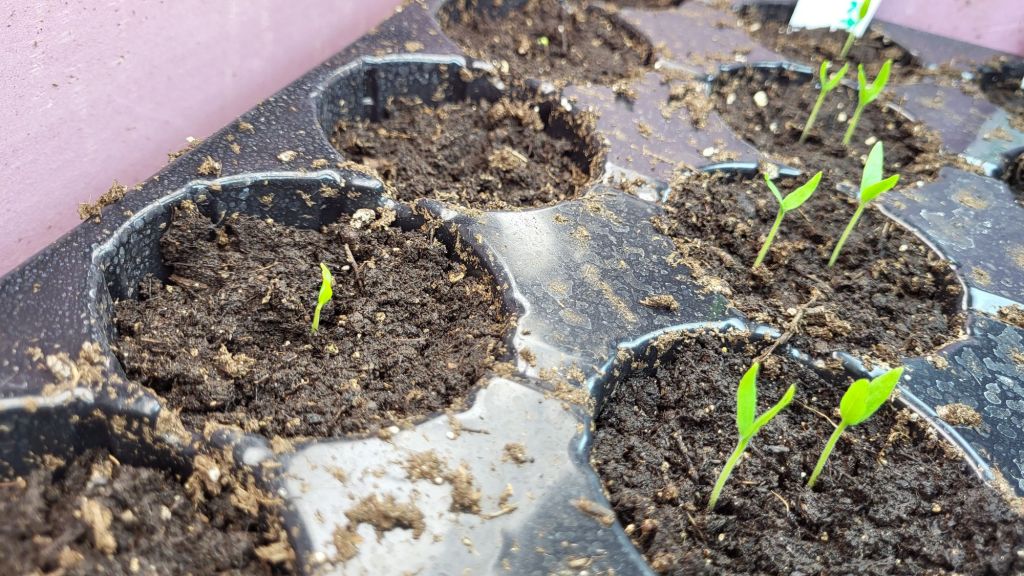
I went to bottom water the seed trays and turn the lights over them for the night, when I made a happy discovery. Our first Cheyenne hot peppers have sprouted!
The peppers are in the row of cells on the left. It’s hard to see, but there is a second one barely visible in the cell at the top of the photo, just breaking ground!
Now that those are starting to sprout, I’ve unplugged the heat mat. Tomorrow, I want to set up the mini-greenhouse frame near the window and above the heat vent – we’ve got some shelves to move out of the way, but we now have a portable AC unit stored in the living room that we might have to move, too. Once these trays are out, the next batch of seeds will be started and set up in the aquarium greenhouses.
One nice thing about using those fruit and vegetable trays for starting seeds. They have a smaller, round space in the middle that had either a container of dip in it, or some strawberries, that’s not deep enough to plant anything in. I’ve got their lids under the trays, which is handy, as they have recesses that fit each section of the trays, but there’s not a lot of space to reach for bottom watering. Instead, I’ve made drainage holes in the empty spaces in the middle, and pour the water in there. They then drain slowly into the lids below. Bottom watering from above! 😁
The red onions are still very sparsely emerging, and not very many of them, so I want to put them into the big aquarium for at least a few days.
Once everything is ready, I’ll have to make some decisions on what long season seeds to start next. Some herbs, for sure, but they don’t need to be in the remaining new tray with the larger cells. I want to save that for larger seeds. I should have room enough to start some tomatoes, I think. I don’t think they all need to be started this early, though. I’ll probably start more peppers, too. Yes, they are supposed to be short season varieties, but the only ones we had a really good harvest with last year were the ones we started much earlier. I don’t want to start as many pepper or fresh eating tomato seeds this time; we had such a high germination rate last year, we ended up giving away lots. Space for the trays will be an issue this year, as we were gifted a nice big armchair that is now the most comfortable chair in the house – but now we don’t have room for how I set up an extra “table” for seed trays like we did last year!
Setting up the living room as the cat free zone has become way too handy. The room is getting way too full of things we need to protect from the cats, because our house plants and seed trays!
This photo was actually taken yesterday, when the sprouts first emerged. Today, they are bigger, and there are even more of them in other cells.
The middle row is the Classic Eggplant, which was all older seeds from last year. On the right are the Little Finger eggplant, which is a mix of new and old seeds. The Classic Eggplant is definitely coming up faster.
Still nothing from the peppers, though. Normally, once things start germinating, I’d unplug the heat mat, but not until the peppers start to sprout.
There are Red Wethersfield onions starting to sprout, too, but they are still very few and very tiny. The onions in the big aquarium greenhouse as emerging much more quickly, and I’m seeing a lot more green. I have no doubt the difference in temperature between the two set ups is making the difference. The lights over the big tank actually produce some heat. While the heat mat wouldn’t contribute much, the tanks are lined with rigid insulation, so that would help keep any heat inside. The small tank’s light is LED, so no heat there, plus it’s not as bright.
Once I have space set up to move things out of the tank, so I can start different seeds, I might move the red onions into the big tank to give them a bit of a boost. We shall see.
I’m just so happy to see those eggplant sprouts!!!
Okay, I’ve got a couple hours before I can pick up my new computer, but I couldn’t help but make one more post.
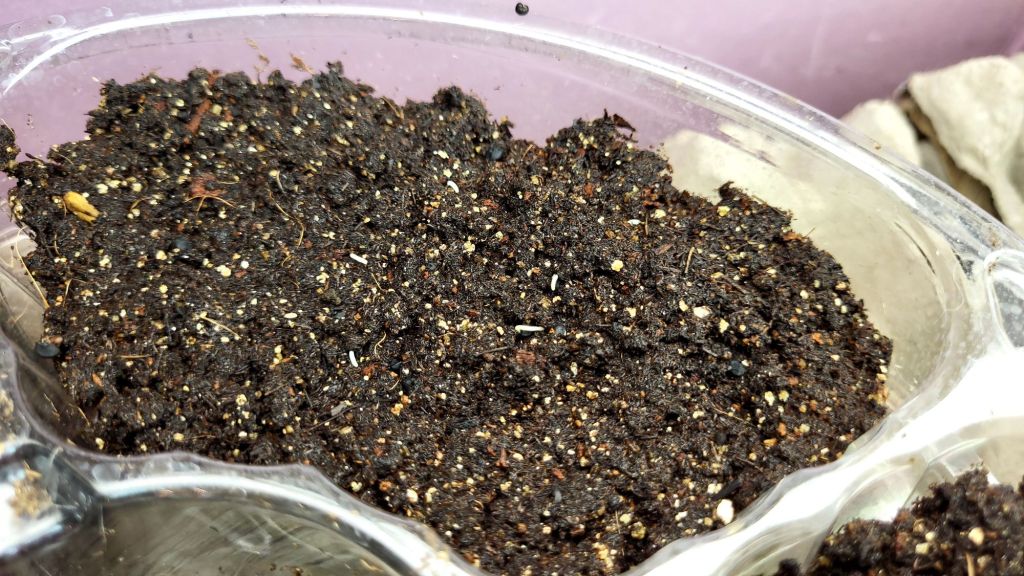
We have sproooots!
They are just barely visible, like tiny white worms! 😆
The yellow onions and the shallots, which are both in the large aquarium greenhouse, are emerging. The red onions are in the small aquarium greenhouse, which is slightly cooler, so that may be why nothing is sprouting there quite yet.
This morning, I headed out to drive my mother to her doctor’s appointment. It really sucks to not be able to use her car right now, because it’s a real struggle for her to get into the truck, even with the foot stool. She finds it easier to get out, and refuses the foot stool completely, preferring to use her walker for support.
I’m certainly glad my shoulder is all healed up, because I had to help boost her up into the truck! Something I could not have managed, just a few days ago.
Once in the truck, though, she was happy as a clam! She commented on how nice it looks inside, and how smooth the ride is, compared to her car. I think she finds the seat more comfortable too.
At the doctor, she got the referral she was there for. The doctor was supposed to give her a physical exam, but my mother couldn’t even get up the step to go onto the examination table, so that was skipped. My mother will get either a call or letter about an appointment in the city to see a specialist, and the wait should not be long.
After that, she was up to stopping for lunch before heading home. I didn’t stay long after dropping her off; mass on TV was about to start, and she watches every day. Plus, I wanted to stop at the grocery to pick up an ingredient we were missing for my daughter, who wants to use the last of our winter squash to make a pie, and my husband sent me a message saying we had parcels to pick up at the post office.
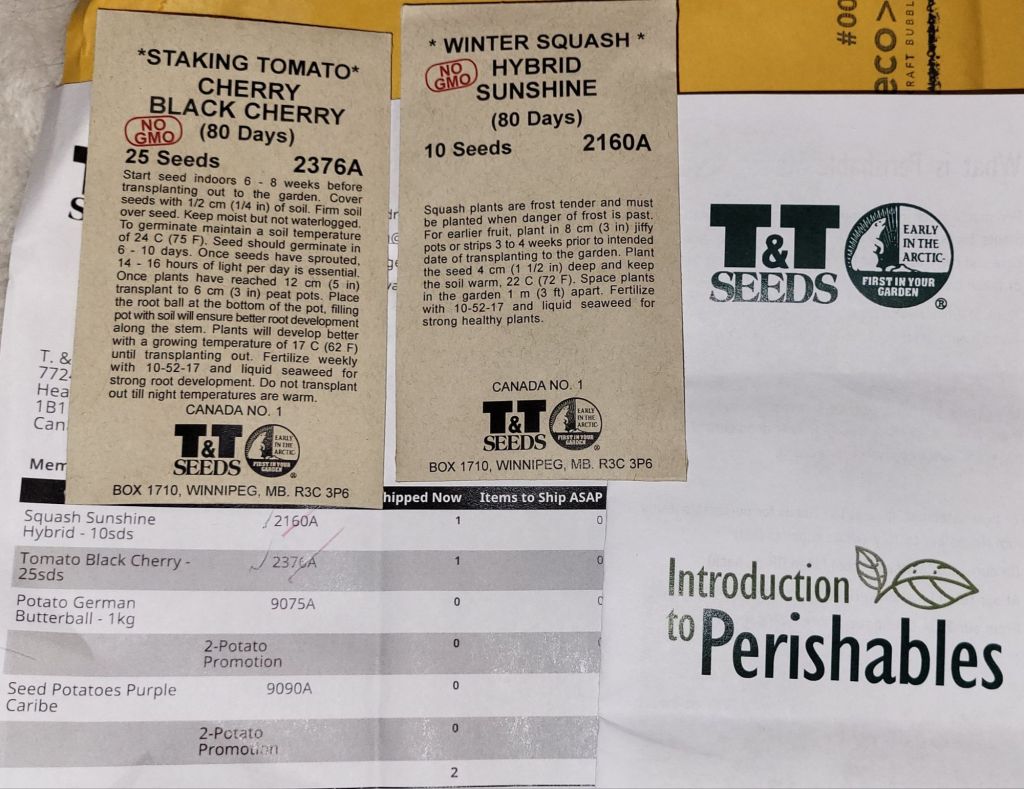
Along with the parcels, my seed order from T&T Seeds was in.
It took several tries to get a photo without a cat photo bombing me!! 😄
The potatoes will be shipped in the spring, but they included a pamphlet on how to handle their various types of perishables with the seeds.
Based on what the package says, with our June 2 average last frost date, the tomatoes can be started indoors in the first half of April, and the winter squash can be started indoors at the beginning of May. Both say 80 days, though, and our growing season from last frost in the spring, to first frost in September, is 100 days. Technically, we could direct sow both of them! I don’t think I’d want to take that chance, though.
I must say, it’s very hard not to buy more seeds right now! The McKenzie Seed displays are out, and they are everywhere. Even some gas stations have them! As soon as I walk in somewhere – like the grocery store, today – and see the displays, I just zoom right in and start looking. We have so many different seeds, and for many we also have several varieties, so there’s really not been anything in the displays that I would get, that we don’t already have. About the only thing I really find myself looking for is sugar snap peas. We have lots of seeds for shelling peas. The first year we grew peas, we grew both types, but that was the drought/heat wave year, and the snap peas barely survived.
With everything melting outside right now, and the rest of the winter expected to be mild in our area, who knows. We might be able to get things started earlier than usual! At the very least, we should be able to get to work on the building more trellis tunnel beds and reworking others. early. There are seeds that can be planted as soon as the ground can be worked, even if there are frosts later on, so I’d quite like to have some of those started, nice and early! Things like the peas, which I want to plant in the bed the popcorn was planted in, last year, to get some nitrogen back into that soil, spinach and onions.
I so looking forward to getting outside and back to work again!
I had an order started with T&T Seeds about a month ago. I wasn’t quite decided on things, so I hadn’t completed it when my computer died.
Today, I logged into my account. No surprise that it had been dumped by now! Unfortunately, I couldn’t quite remember everything I had in there. It wasn’t much, and I remembered in a general sense, so I tried my best.
This is what I just finished ordering. All images belong to T&T Seeds.
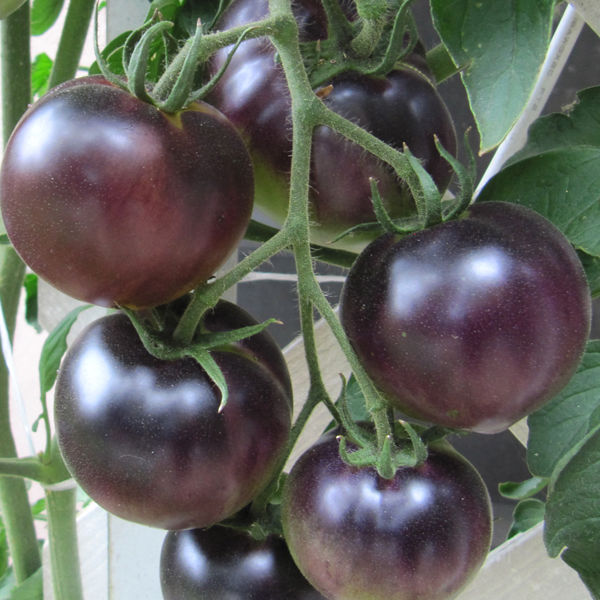
The first is a tomato. After experimenting with so many last year, my daughter suggested we do just the paste tomatoes I want, plus a cherry tomato. We did get free tomato seeds with our Heritage Harvest order, and I want to try at least a few of those, but I still wanted to order a variety of cherry tomatoes for fresh eating.
I was torn between two varieties, until I saw that one of them was more expensive – and for only 10 seeds! So I got these Black Cherry tomatoes, instead! It comes in a packet of 25 seeds. This is an indeterminate variety that will need staking.
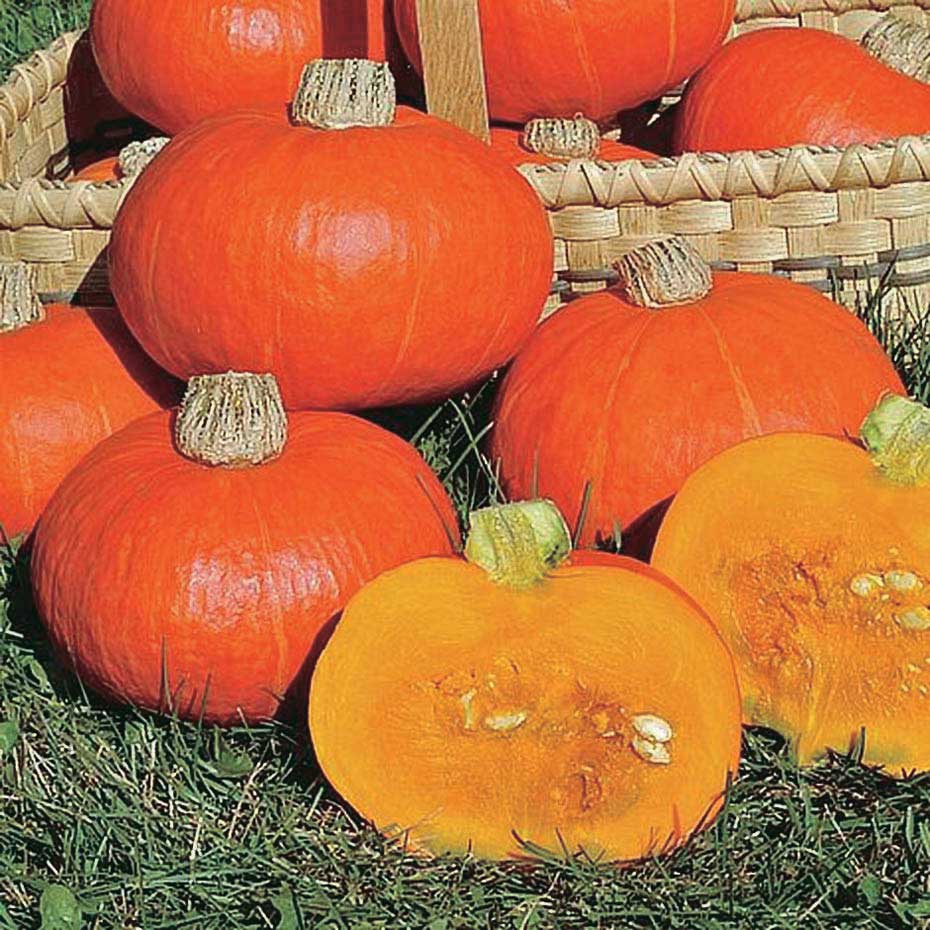
Yes, we ordered yet another squash variety! My older daughter requested this. In the catalog, it’s called Winter Sunshine Hybrid, which I couldn’t find in the website. I was able to search the product code, though, and on the website, it’s just called Sunshine Hybrid. What caught my daughter’s attention is that it’s supposed to make the “best” soup. At only 80 days to maturity, this is something that we could technically direct sow but, with our slug issues, I think we’ll start them indoors!
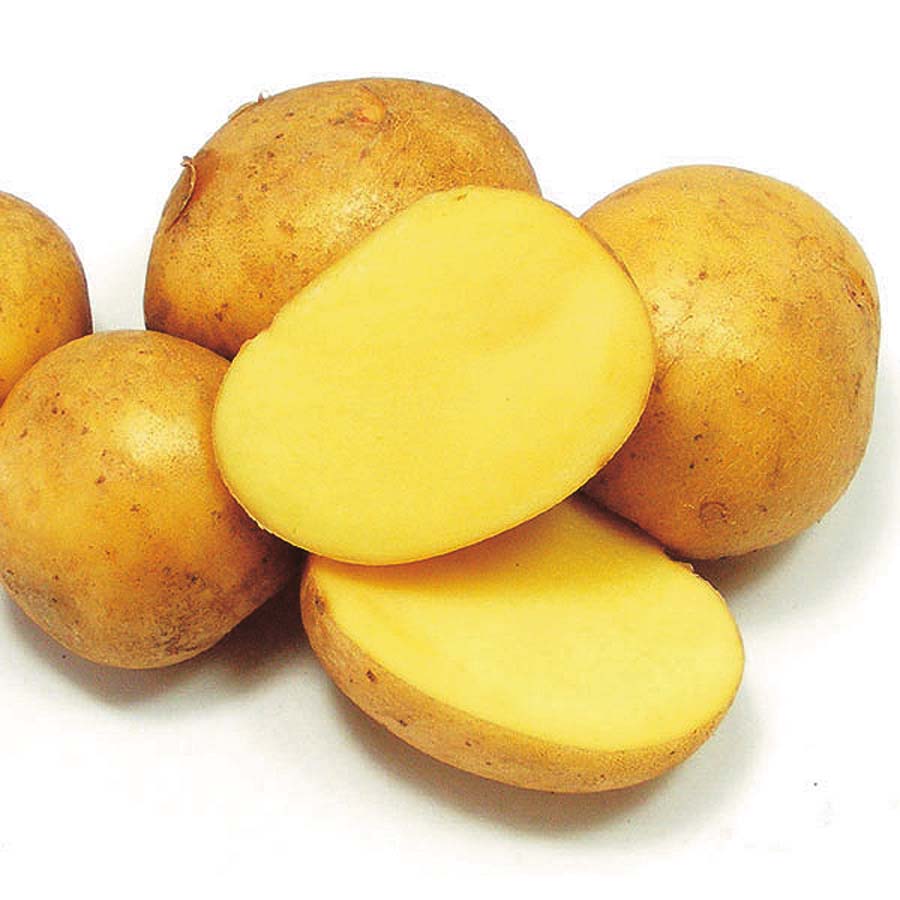
We’re going to try two new varieties of potatoes this year. The first is a yellow potato.
This is the German Butterball potato. It is supposed to be a good winter storage variety, and a good all-purpose potato, so I ordered two 1kg bags.
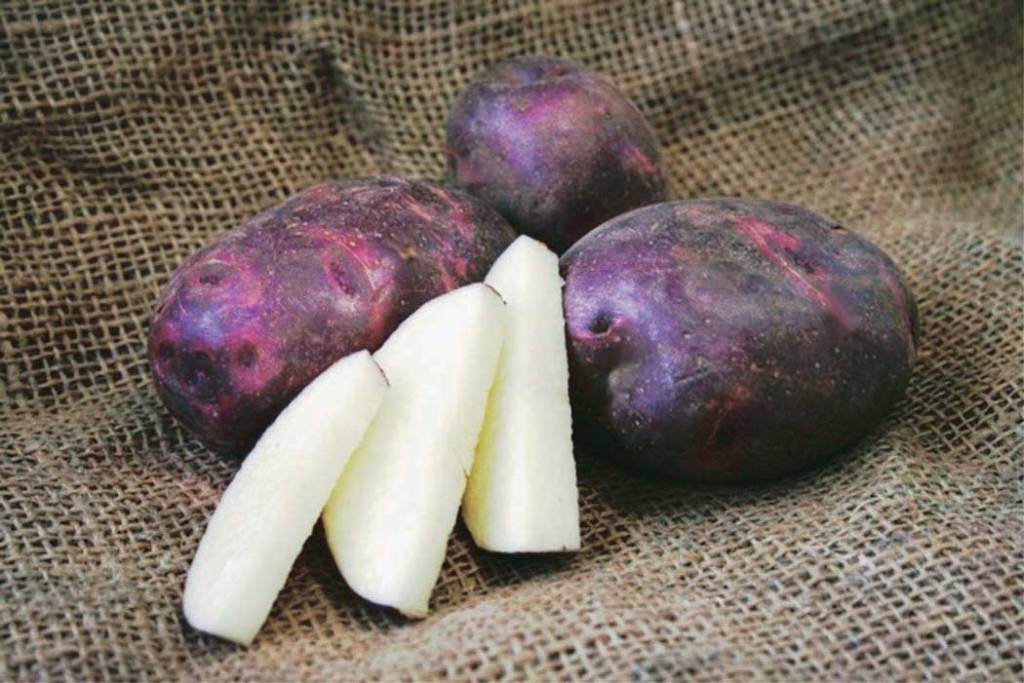
I was torn between trying another all purple potato, or a purple skin white potato. In the end, I settled on this Purple Caribe. It’s supposed to be a good mashing potato that isn’t fussy about where it grows – which matters, with our soil conditions! I ordered only one 1kg bag of these.
This year, I’m considering growing the potatoes where we had the big squash patch for the past two years. I’m hoping a couple of years of heavy mulching will have made the soil easier to dig into, to plant potatoes. The alternative would likely be to use grow bags again, but I don’t think I’ll do that this year. We shall see. The potatoes won’t get shipped until planting time, so we’ll have the opportunity to prepare a place in advance.
The entire order cost under $40, but with tax and shipping, it came out to over $60! To have it shipped by mail was basically $20. I’m not impressed with that. Alternatively, we could have picked it up at the store, which 1) would still have had a shipping and handling charge of a little over $5 and 2) is nowhere near us, so not an option, anyhow!
Hopefully, the product will be good. We’ve ordered short season sweet potato slips from them before, during what turned out to be a really difficult growing year, so they didn’t have a chance to grow well. I looked into trying them again, but the price increase was way too much. Frustrating.
Anyhow.
This will probably be our last seed order for the year, though I hope to order at least one fruit, berry or nut tree this year. We still need to decide on what we want to start this year. Aside from that, I would like to pick up more strawberries, but we will probably buy transplants in the spring, rather than order online.
My main focus for this spring is going to be increasing the number of beds we can plant in. The tunnel beds are high on the list, but if at all possible, I’d like to do something with the low raised beds we currently have. They were always intended to be temporary set ups, but with the troubles we had last years, from tree roots at the far ends, to whatever infected those red onions and Roma tomatoes, they need to be reworked. Right now, they are bordered with short lengths of logs from the trees we had trimmed away from the house and power lines, and I want to replace those with longer logs (if we can harvest enough dead trees!), make them lightly higher, and consistent in width and length. Right now, some of them are a bit wider and, with low raised beds, that makes it harder for us short people to reach. In the future, I need to remember that a low raised bed, accessible from both sides, should be no more than 3 feet wide. By making these even just one log higher, we can keep them at 4 feet wide. We might not be able to do that until after the growing season is done, though. We shall see!
Can you tell the warm weather has me itching to get working outside? 😂😄😂
Today was a day of running around, starting in the afternoon. We had a dump run to do, and I had to wait until they opened. From there, it was a stop at the post office, then off to my mother’s to drop some Christmas stuff off, before I headed to the pharmacy to get more mineral oil. The girls cleaned the cats’ ears while I was out, using the last of our mineral oil to do it, and we have another 4 or 5 days of daily cleaning. Hopefully, that will take care of the ear mites!
I made sure to let my mother know I could pick stuff up for her since I was there anyhow, so she had a short list for me. I took care of that after I went to the pharmacy. Before leaving town, I messaged the family to see if we needed anything and ended up going back to the grocery store. By then, I was pretty famished, and there’s this excellent Chinese restaurant, right next door! So we had Chinese take out as a treat for supper.
The down side of all this running around is that it was already dark by the time I headed home. I hate driving at night. Yes, I have the deer screamers on the truck, but with the lights from oncoming traffic, it’s impossible to see if there are any deer on or near the road.
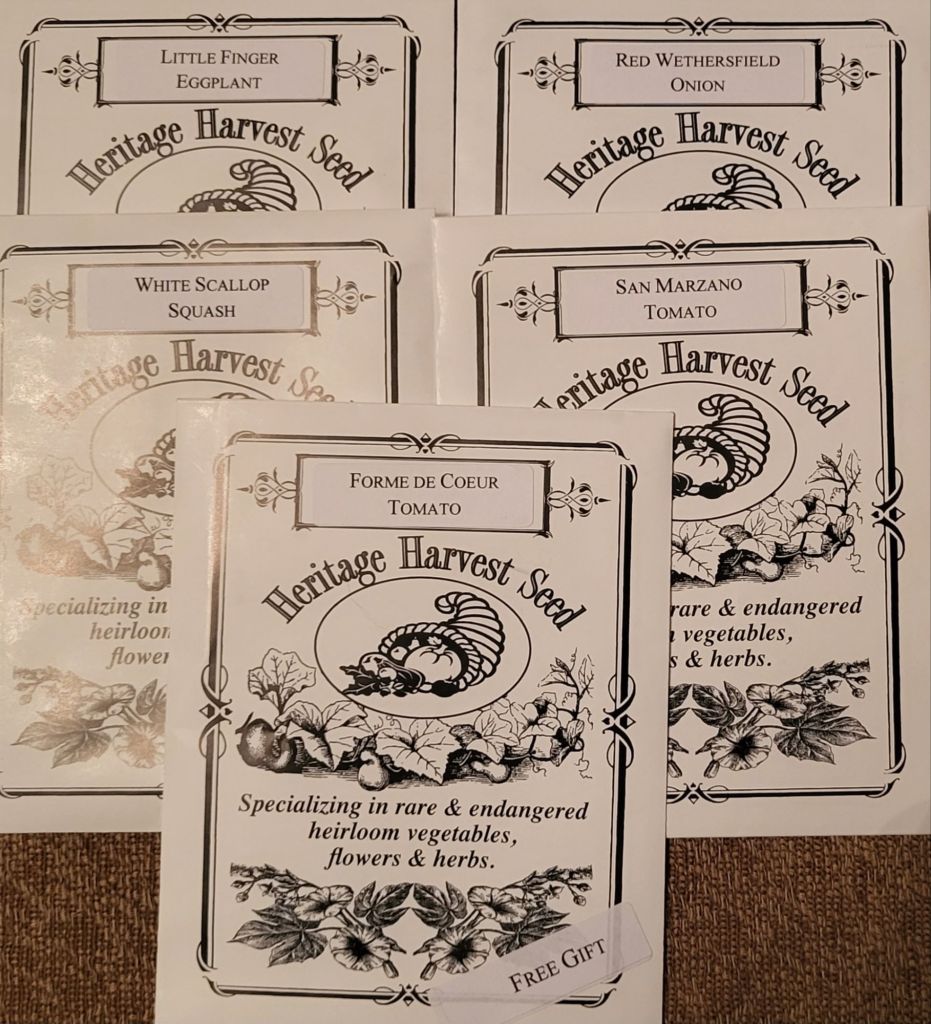
Once home. I was happy to go through the mail, as our Heritage Harvest seed order was in. It included a lovely surprise
I didn’t expect to get free seeds for such a small order! Of course, I had to look them up. This image is from the Heritage Harvest website.
This wonderful heirloom originates from Quebec. Forme de Coeur really impressed me this summer and it is now one of my new favorites! The red heart shape fruit are medium size and produced in abundance. The fruit have great taste and are quite meaty. A great all purpose tomato that is early as well. Determinate, regular leaf foliage. (65 days from transplant)
25 seeds per packet.
We were planning to plant only 2 varieties of tomatoes next year, but we might just have to try these! Especially since they have such a short growing season.
The main thing, though, is that the Red Wethersfield onion seeds are in. We now have all our onion and shallot seeds, which will be started indoors next month. 😊
Today, we placed our second seed order for next year’s garden. This time, from Heritage Harvest Seed. (All images belong to Heritage Harvest) They specialize in rare and endangered seeds and, more importantly for us, grow their own seeds and are in a zone 3 location that’s even further North than we are, so we can be quite confident that anything we get from them can grow in our short season.
Unless something else causes problems!
Which is why we are re-ordering two items that failed last year.
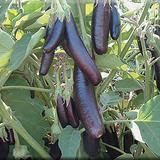
We grew these a couple of years ago and they were among the few things in that terrible growing year that did rather well, though they never had a chance to reach their full potential. Last year, we tried growing them in the block planters by the chain line fence, and the transplants just didn’t grow. Next year, we will have to be more selective on where we transplant them. We also had issues with starting them indoors that we did not have the year before, so we need to take that into consideration as well.
We tried these last year and, while the seeds germinated very well and we had plenty to transplant around our Roma VF tomatoes, they just… disappeared. The tomatoes also got blight, so I believe it was a soil problem in that bed. I really like the shape of these onions, and that they are supposed to be a good storage onion, so I want to try them again. As with the eggplant, we will need to give more consideration as to where to transplant them.
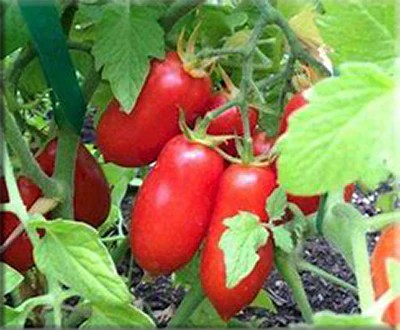
We are still looking for a preferred paste tomato. I keep reading how the San Marzano is supposed to be the best for sauces and canning. Honestly, all the excessive praise I have been seeing about them is one of the biggest reasons I hesitated to get them. However, I am willing to give them a try, and see if they live up to the hype.
When it comes to summer squash, we seem to have the best results with patty pans (aka: scallop squash). This is “An ancient summer squash that was a traditional food crop of the northeastern tribes for centuries.” I’ve actually been eyeballing this variety for a few years, and have decided to pick up some seeds for this coming year.
Not a large order at all, but we don’t need a lot of seeds this time around.
Must… resist… getting… more! 😂
There is one more Canadian company we will be ordering seeds from – and seed potatoes. I was just talking with one of my daughters, and there were several winter squash varieties in their catalog that caught her attention.
I have my suspicions as to why so few of the different winter squash, pumpkin and melon seeds we started indoors for 2023 germinated. I hope to be able to fix that this time around. Which means that for 2024, we’ll be once again shooting for a few plants of many varieties (I’ll be skipping the pumpkins this time, though) to see what works and which ones we like the best.
The main thing, though, was to get the last of our onion seeds ordered, since they need to be started indoors so much earlier than anything else! That goal is now accomplished.
Corn and beans, in particular, were things we had so many seeds for, in so many varieties. Especially the Red Swan beans, though that was a mistake. I’d ordered a different, purple variety, because purple everything seemed to do quite well here. When I got Red Swan, instead, I contacted Veseys and they sent me another package.
Of Red Swan.
That happened a couple of times before I finally read on the website somewhere that they were out of the purple variety, and Red Swan as what they were sending out instead!
Oops.
When it came to beans, I’d hope to plant both bush and pole beans, in a variety of colours. I also wanted to try the beans my mother gave me, that trace back to what she used to grow here, when I was a child.
That didn’t happen. We simply didn’t have the space to plant many beans at all this year.
It was much the same with corn. We had many varieties to choose from. Mostly, I just wanted to have three types. The purple Montana Morado, the Tom Thumb popcorn, and one of the short season sweet varieties for fresh eating.
Well… two out of three is pretty good.
The purple corn.
As much as I’d like to grow the kulli corn, the seed source I’d found was out of stock. We’d grown the Montana Morado before a couple of years back (though we though we were getting an acclimated variety of kulli at the time), and they did well until something destroyed them.
This was all that survived from our 2021 garden.
The kulli corn we’d grown last year did absolutely amazing, growing into massive tall stalked that looked so strong an healthy – though high winds did try to take them down!
We had to add a lot of supports to the kulli corn and yellow pear tomatoes, after strong winds.
What they didn’t develop, however, was corn! Not a single tassel or cob!
So we went with the Montana Morado instead.
The Montana Morado got their own bed in the main garden area. I ordered a couple of packets of seeds, because there weren’t many per packet. It still wasn’t a lot, as far as corn goes, but this is an experiment for us. While the plants certainly didn’t thrive like the kulli stalks did last year, they at least produced cobs that we could harvest!
I waffled back and forth about interplanting beans with the corn as a nitrogen fixer, and did end up planting some Red Swan with them, late in the season, but more on that later.
Bonus for wanting the corn to use for flour is, no harvesting until the very end of the season.
There are a couple of things I wanted to do with purple corn. One was to make and try chicha morado, as the very concept of a drink made out of corn fascinated me. The other is to try making corn flour. For this year, the goal was just to have corn to try making flower, though we did try a few cobs for fresh eating.
We got almost exactly 1 cup of kernels. Just enough to try to make into flour, though we don’t have a mill. We were debating where to try the spice grinder in small batches, or the Bullet processor we’d been given, but were concerned the hard kernels would break them.
Then, one night, I heard a terrible crashing noise and went to investigate.
I found the container of kernels on the floor. A cat had somehow knocked it down.
We lost them all.
Every. Single. One.
*sigh*
Final thoughts on Montana Morado/purple corn:
Yes, we plan to try again but, gosh, that was disappointing to lose them all like that! We might wait another year or two before trying again. My source for the kulli seeds has them again, but they are insanely expensive – and in US prices, so quite a bit more, plus shipping, in Canadian dollars.
So that will wait.
The popcorn.
We got the Tom Thumb variety, which only gets a couple of feet tall. This is actually the second year we tried to grow them, but the location we grew them in last year, flooded. This year we planted them in a completely different area, both from the flooding and the purple corn. The two types of corn pollinate at different times, but the extra space reduced the chances of cross pollination, should we want to keep seeds.
When it came time to build frames to cover the raised beds, a priority was put on one that could go over the Tom Thumb corn, to protect it from deer or racoons. I’m rather happy with how it turned out, though I do want to stabilize the corners better.
As with the Montana Morado, these were grown to be harvested after they’d dried on the cob. These didn’t even get taste tested for fresh eating, so it was a very low maintenance crop! One we got a surprising number of cobs out of.
After they had their chance to dry on the cob indoors some more, we got a surprising amount of kernels.
We got almost exactly 6 cups out of them!
Final thoughts on Tom Thumb popcorn
We did a test pop, of course.
They didn’t pop. They just burned.
So we left them to dry longer, and stored them with a desiccant, before doing another test pop.
They still wouldn’t pop.
They’ve had more time to dry out and I’ll try again, but they should be dry enough. I’ve looked up about how to harvest and process kernels for popcorn, and we’ve done all that. The only thing I can see that might be the problem is that they still have too much moisture in them. Yet, they do need to have a bit of moisture in them, as that’s basically what makes popcorn pop.
I don’t know what to make of it!
I think we still have seeds left, but I don’t think we’ll try them again. In a way, it was a waste of space to grow these two varieties of corn, instead of a sweet corn that we could eat, freeze or can. We just didn’t have the space available to grow a third variety.
In the future, I think we’ll try a flour corn again when we have more prepared spaces. If we do find that we like having flour corn and actually use it, we would need to have a much larger space available to grow in, to make enough flour to be useful. That is still years in the future. Until then, we will continue to try small amounts as testers.
Next year, I want to focus more on growing a good, short season variety of corn, and we have seeds for at least two different varieties that fit that bill, ready and waiting to be planted.
Bush beans
In previous years, we have had great success with beans. The first year, we grew three types – yellow, green and purple – in rows about 25 feet long. The purple beans did especially well!
This year, I wanted to grow some bush beans, for their earlier harvest, pole beans for their later harvest, and shelling beans for dry storage.
Once again, we just didn’t have the prepared space for them.
In the end, we planted yellow and green beans in the high raised bed, which is only 9 feet long.
The yellow beans did okay, though a lot of the green beans in particular did not germinate. Most seeds were planted to fill the gabs, they they grew all right this time.
Then… this happened.
Turns out this bed is the perfect height for a hungry deer’s buffet!
We rigged a cover for the bed with poles and netting. Amazingly, the beans recovered, and we actually got some harvests!
Not a lot, but enough to include in our meals. Nowhere near enough for freezing.
Eventually, we were able to cover the bed with one of the garden bed covers we build this summer.
This worked out really well, as the netting could be lifted, and the openings of the fence wire used in the cover were wide enough to fit our arms through, so we didn’t have to remove the cover to harvest the beans. The only down side is that this netting is insane for catching on things!
One thing I found was that the slugs managed to get up into that bed!
This was a very bag year for slugs, but that will be covered more when we talk about the squash.
Still the beans did remarkably well under the circumstances!
Final thoughts on bush beans
While we will probably continue to experiment with varieties until we find ones we really like and can save seeds for, bush beans will probably be a staple crop for us. Especially purple ones, which seem to do best for some reason. Bush beans don’t need much done for them, and they are ready to harvest earlier than pole beans. Since we planted so few of them this year, we may not buy more for next year at all, and just go with what we already have.
The Red Swan beans.
There was some confusion when we got these, as I’d forgotten what I’d ordered, then realized what I ordered didn’t come in, and then… well…
I think we ended up with three bags of them, in total, by the time it was figured out!
These are a variety of bean that can be used for both fresh eating, and as a dried bean. They are also climbers. Since we had so many, when I decided to go ahead and interplant beans with the purple corn as nitrogen fixers, this was the variety I planted. I honestly did not expect them to have enough season left to produce edible beans, so it was a real surprise when they did!
They even got big enough to harvest!
They do turn green when cooked, rather than keep their red colour.
While they managed to grow pods, there was no chance they’d reach full maturity for harvesting dried seed pods. Which is okay. Having any pods at all from these was unexpected! They never even got big enough to climb the corn stalks.
Final thoughts on Red Swan beans, pole beans and dry beans
We will definitely be planting these again, with some left to mature for dry bean collection, and some for fresh eating, so we can figure out if we like them enough to keep growing. After all, there’s no point in letting all those extra seeds go to waste!
As for pole beans in general, we still want to try other varieties to see what we like, though for next year, we’ll probably go with the ones we got for this year, that never made it into the ground! Pole beans start to reach fresh eating maturity about the time bush beans are done, so having both will keep the harvests coming.
I also want to plant dry bean seeds we saved from last year that we didn’t have the space to plant this year, as well as experimenting with other varieties. We won’t go in that direction too far, though, as none of us enjoy dry beans quite enough to warrant having a lot of them. Mostly, having them will be part of our food storage and self sufficiency goals.
Peas.
Finally, we get to the peas!
This year, we planted a variety of pod peas we’ve grown somewhat successfully before, Dalvay. Previously, we’d grown them on trellises near the pole beans, way off in what will be our food forest area, as part of our efforts to amend the soil. Peas have yet to do very well for us, though they were growing in far from ideal conditions in that location. We didn’t plant in that area this year. Unfortunately, we didn’t have an alternate location ready for this year, either.
For the peas, though, I decided to plant them along the chain link fence this year, so they already had something to climb.
This area had had tomatoes growing in it for two years previously, and I felt it was time to switch up to a nitrogen fixer.
They did… okay. They certainly didn’t thrive in this location, which I found a bit strange. In fact, nothing did really well in this bed this year.
The peas did start climbing the fence, and we even got a few pods to harvest. Mostly, though, there were just a few pods I could snack on while outside.
Then one morning, I came out to do my rounds and discovered all parts of the pea plants that grew through to the other side of the fence, were gone. They all got eaten down to the same height, for the entire length of the fence!
Yup. It was the deer, again.
They did somewhat recover, only to get nibbled on again later on. We aren’t feeding the deer anymore – it’s just too expensive – so we don’t get the number we used to, but there are still a few that regularly come by. Usually, they just raid the compost pile, but every now and then, they help themselves to our garden.
*sigh*
So not only did they struggle in the new location, but with being eaten by wildlife, too!
Final thoughts on peas.
I like this variety of peas – the few times we were able to harvest them. At some point, I’d like to have enough pod peas to be able to can or freeze them!
As for why they didn’t do well in this location, when things had done well there before, I think the answer is above them.
We’ve been trying to cut back the branches on the Chinese Elm inside the fence, but in some places, that just resulted in new branches growing back even bushier. They are also too high to reach with our extended pole pruning saw.
Basically, that bed no longer gets as much light as it did over the past couple of years and, for the peas, that was a problem.
Since these trees also drop damaging amounts of seeds every spring, they are on the hit list. At some point, they are going to be taken down completely. They do, however, shade the yard and are among the few trees that are a partial wind break for winds from the south. I would rather not take them down until we have something to compensate for what we would lose when they’re gone.
However, given how much damage they are doing, we might just get rid of them and deal with the other issues later.
As for peas, I hope to plant them in different beds next year, and I’d like to try edible pod peas again. Eventually, I’d like to have both as staples in the garden.
In the end, when it comes to peas, beans and corn, the main hurdle we have is prepared beds to plant them in. We need to build a lot more raised beds of varying heights. We do have plans to build pairs of raised beds joined by trellis tunnels that has been started, and will continue to add more as we are able.
It’s the “as we are able” part that’s the problem.
Well, we do what we can with what we have available.












 The Re-Farmer