Analysing our 2022 garden: starting seeds indoors, and other physical challenges

Okay, it’s that time! I’ll be working on a serious of posts, going over how our 2022 garden went, what worked, what didn’t, and what didn’t even happen at all. This is help give us an idea of what we want to do in the future, what we don’t want to do in the future, and what changes need to be made.

Our 2022 garden had a lot of challenges, and a lot of failures. Some of challenges and failures started well before we planted a single thing outdoors.

With our short growing season, we need to start a lot of things indoors. That, in itself, is expected and not a big deal. Our circumstances, however, have thrown in some major difficulties.

Fourteen of them, in fact.

Well. Sixteen, when we were trying to get them going this year.

Our indoor cats.

The other challenge is a combination of space and light. This house is oriented to the East. Our largest windows face the sunrise – with a grove of 60’+ spruces not far away. Our south facing windows are smaller and inaccessible for the purpose. The exception to that is the sun room, however the sun room is not warm enough to start seeds in when we need to. Plus, during colder weather, we allow the outside cats to use it for shelter.

Which means we need to figure out how to start seeds indoors, provide adequate artificial light, and protect the seedlings from cats that are determined to either roll on them, or eat them!

The first solution was one that we started doing last year. We have two aquariums that we have been able to convert into greenhouses, of a sort. When we moved out here, we brought our big tank, with a second light fixture to replace the kit light. Both work just fine, and provide adequate light for starting seeds.

The corner of the living room the tank sits in gets cold, so we added rigid insulation against two walls for extra protection. We were also able to get a warming mat to place under seed trays of things that needed extra heat. Since the lights can’t be raised or lowered, we used cardboard boxes under the seed trays to adjust the height, with new plantings closer to the lights, and larger ones lower down, rotating and adjusting as needed. We built frames with hardware cloth to cover the top of the tank, which both protected the seedlings from the cats, but also allowed more air flow.

This above picture was taken with the hardware cloth covers removed for access. As you can see from the bedraggled seedlings, we didn’t quite manage to protect them from the cats. More on that later.

The other tank is much smaller; just a 20 gallon tank. It, too, tended to get chilly, plus the light it came with was not as bright as having two lights, as with the large tank. It has insulation on three sides to protect from the chill walls, which also got covered in aluminum foil to reflect the light.

When we first started using this tank the previous year, we used the original lid it came with. The cats were incredibly determined to get at the trays below, and were able to reach through the opening for the filter, no matter what we used to block it, completely destroying the trays below. This year, we found some window screens in a shed, and used one of those as a lid, weighted down with hand weights. We removed the light from the bottom of the original lid and attached it to a foil lined piece of rigid insulation, and simply set it on top of the window screen. The cats still sometimes managed to knock the weights around and displace the screen but, over all, it did keep them out.

The problem with both tanks, but especially the little one, was air circulation. For that, we used a tiny fan we found in one of the basements while doing clean up. We could put it right into the big tank, or on top of the hardware cloth covers, aimed downwards. For the small tank, we could just set it on the screen, also aimed downwards. Ultimately, though, we used the small tank as little as possible.

We had an awful lot of seeds to start indoors, however. Way too many to fit in the tanks. Since the seeds needed to be started at different times, we could start the earliest ones in the tanks, then rotate them out when the next seeds needed to be started.

The question was, rotate them out where?

One of my daughters had bought a mini greenhouse for me the year before, so we brought that into the living room. We also bought a long, narrow, LED shop light to illuminate it better. That worked out well enough that we later bought a second one.

We set it up as close to the window as we could, on a chair to catch more light. The only way we could use the light, however, was to hang it from a plant hook in the ceiling above, so that it rested on the chair as well, oriented vertically.

The cats were absolutely determined to get into it!

They managed to squeeze in from under the chair, so we tried taping the plastic cover to the chair.

That wasn’t enough.

We added pieces of cardboard to block the spaces they were squeezing through.

It… mostly worked.

In the end, it was a combination of taping the bottom, the cardboard, and covering the back and sides of the frame with aluminum foil – which also helped reflect light onto the seedling better.

They still managed to get in.

I came out one morning and found cats had somehow squeezed through one of the zippers, pushing it open more, and rolled all over a couple of the trays.

It was such a disaster!

We did managed to save some of the seedlings, but not all. Thankfully, we had seeds left for some of them and were able to start over.

We were eventually able to keep the mini greenhouse sealed up well enough to keep the cats out, but it meant keeping the plastic cover on and closed up at a time when the seedlings didn’t need a cover. This meant no air circulation in there at all. Even so, there were times when a cat or two managed to get in, and try to eat some of the seedlings!

I was able to rig the little fan up inside the mini greenhouse, aimed at the walls in such a way that the air flow would be pushed upwards and around the whole space.

That little fan got one heck of a work out!

So we finally got that working, but there’s not a lot of space in between the shelves. Before long, some of the seedlings began to outgrow the mini greenhouse. They needed to be moved out, and the only place we could move them to was the sun room – but we had to wait until it was warm enough!

Eventually, we were able to move the largest seedlings onto shelves in the sun room, while other seedlings got rotated into the mini greenhouse, and newly sown trays were set up in the aquarium greenhouses. We had our seeds organized by when they needed to be started, with the earliest started 10 weeks before our average last frost date, then 8 weeks, 6 weeks and finally 4 weeks.

We still ran out of space.

In the end, we set up a surface to hold seedlings over the swing bench, and eventually we could move the mini greenhouse to the sun room – and finally take the cover off! The second shop light was hung above the plants over the swing bench, and we eventually hung the one from the living room on the inside of the shelf.

For a sun room, the sunlight doesn’t actually reach far into the room.

There were so many things that needed to be started indoors! In fact, most of what we were growing needed to be started indoors, with only a few things that needed to be direct sown.

That’s not really going to be changing, so we need to figure something better out. How do we provide the seed trays and seedlings with the light, air flow and space they need, while also protecting them from the cats?

Well, the girls and I have been talking about it, and the only real solution we have is to find a way to keep the cats out of the living room completely, and turn the living room into a plant room.

The question is, how?

There are floor to ceiling cabinets between the living room and dining room. On one set, the living room side is completely covered. On the other, there is a “window” at one shelf that allows access from both sides. It’s a favourite lounging place for David! Between the cabinets is an open space somewhat wider than a standard sized door for access between the two rooms.

The only way to prevent the cats from getting into the living room is to build a barrier in that space, with a door in it, plus another barrier to cover the “window” in one of the cabinets.

Barriers which need to be strong enough to withstand cats trying to get through, yet still be easily removeable.

One of my daughters has drawn up plans for a barrier with a doorway, while the “window” will just need a simple rectangular frame to fit the space. It’s basically going to be all wooden frames and hardware cloth.

Unfortunately, we’ll need to actually buy the lumber for this, and lumber is extremely expensive right now. There is nothing in the piles of salvaged lumber in the sheds and barn suitable for what we have in mind.

It’s something we’ll have to figure out soon. Some things, like onion seeds, could be started as early as January. February at the latest. Honestly, I just don’t see how we can get the materials and build the barriers that quickly. We could start off using the large aquarium, which might give us until March to get it done, but… I’m not very hopeful.

It would be a lot easier, if the cats weren’t so absolutely determined to destroy the seed trays!

The Re-Farmer

Good company

If you’re going to have someone invade your space while you’re in the bathroom, you can’t do better than David.

He loves that sink.

He fills that sink!

What a chill, laid back, precious boy!

Then there’s these guys.

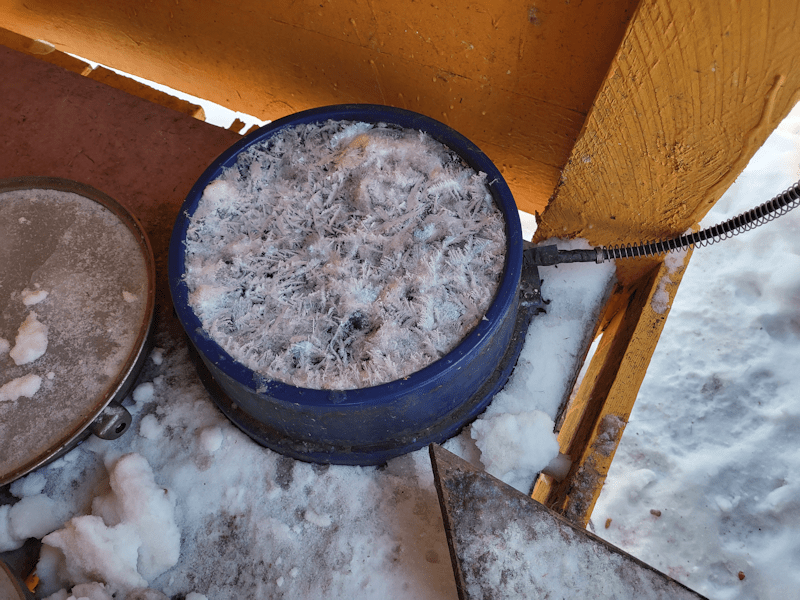
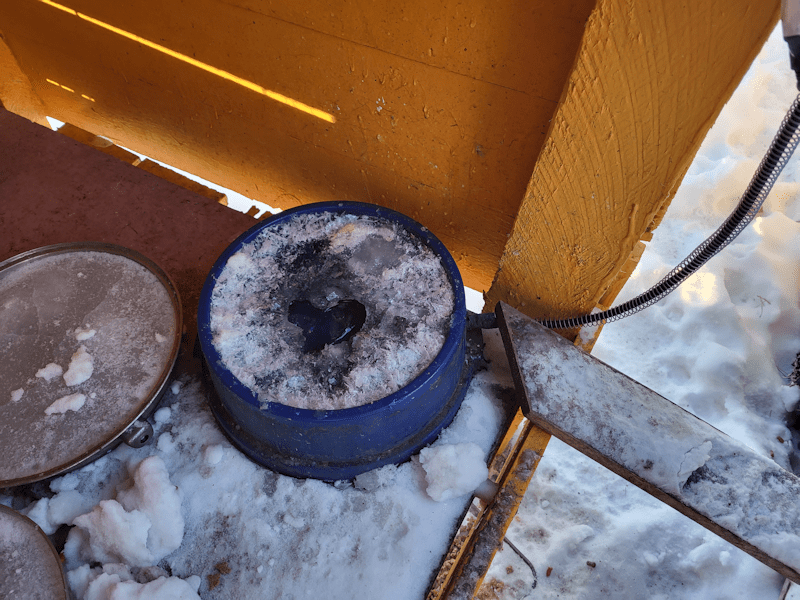
By the time I’m done my morning rounds, the outside cats have finished eating and are settling into their favourite spots to hang out. The littles just love sitting on top of the board the heat bulb’s fixture is attached to! They don’t hang out under the bulb, which you’d think would be warmer. They like to be above it!

While doing my rounds, I did a bit of shoveling, but the snow is deep enough, we’re going to have to clear the driveway. Not because it’s too deep to get out, but because I don’t want it to accumulate too much the next time it snows.

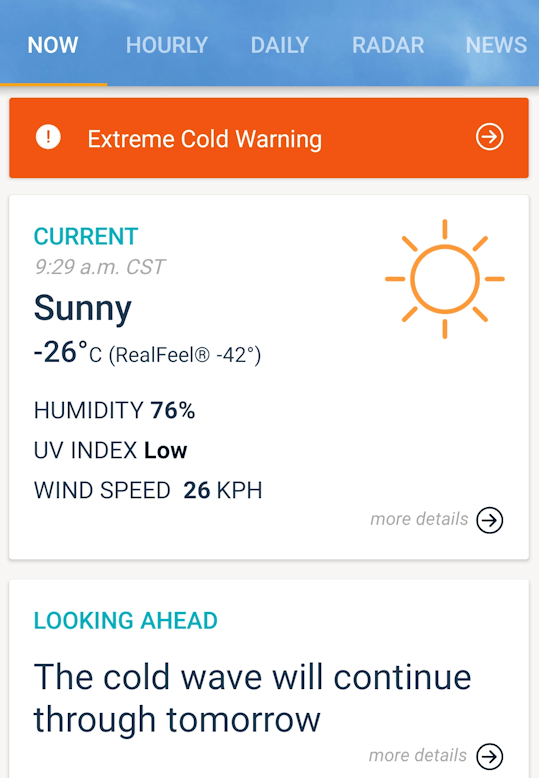
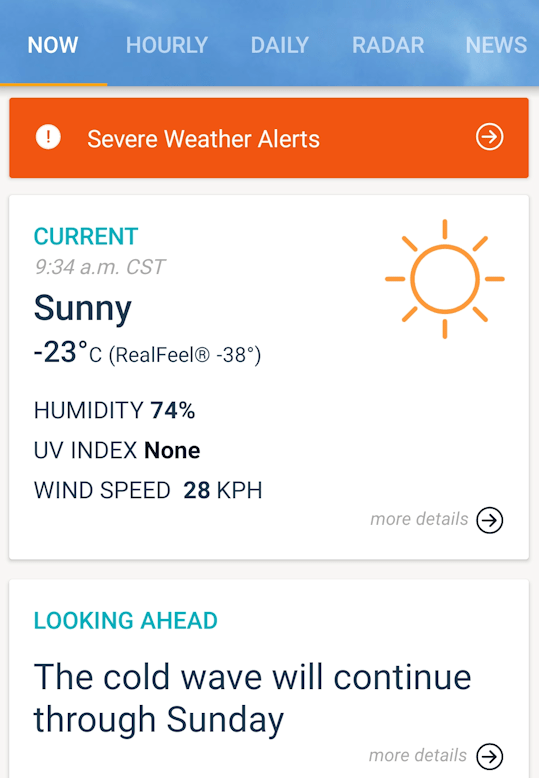
We’re supposed to get more snow today – 97% chance of precipitation – and a high of -11C/12F this afternoon. The next two days are supposed to have highs of -16C/3F, which still isn’t too bad. It’s the wind that’s going to make it miserable. After that, we’re supposed to start going below -20C/-4F, or close to it, probably for the rest of the year – depending one which app I look at. Another tells me we’ll be around -10C/14F during the week around Christmas, which is about half what my desktop app tells me. Well within the 30 year average, either way, so not a major concern. It’s January and February that are typically the harshest. The AccuWeather website has long range forecasts all the way to March 16 and, according to them, January and February are going to be downright tropical, compared to the last few years! If they’re right, we’ll be warmer than -10C/14F for most of those two months!

I’m not counting on that. 😄

It’d be nice, though.

I was happy to see the road seems to be well plowed. I say “seems to be”, only because everything is so glaringly white, it’s blinding. We’ll have no problems getting out anywhere, if we need to.

With the Christmas and New Year’s holidays coming up, it changes when my husband’s disability payments come in. CPP Disability, which typically comes in just a couple business days before his private insurance payment, will be coming in on the 21st. Which means (weather willing) that’s when I’ll be making a trip to the city for what will not only be our last Christmas dinner shop, for the fresh things we won’t buy in advance (we don’t really buy gifts anymore), but it will be our first large shop for January.

I’m not looking forward to shopping so close to Christmas, but it does mean we will probably not need to do any sort of major trip again until next year.

We can go back to turtling into our shells again!

The Re-Farmer

Analysing our 2022 garden: ground cherries, wonderberry, Korean Pine, sea buckthorn, silver buffalo berry and highbush cranberry

Okay, it’s that time! I’ll be working on a serious of posts, going over how our 2022 garden went, what worked, what didn’t, and what didn’t even happen at all. This is help give us an idea of what we want to do in the future, what we don’t want to do in the future, and what changes need to be made.

2022 saw us making some significant steps towards our perennial and food forest plans. This included getting nitrogen fixing berry bushes that will also act as privacy barriers and wind breaks, and annuals that are known to easily reseed themselves and can be potentially treated as perennials.

Let’s start with the berry bushes.

The majority of what we got in 2022 were silver buffalo berry, which came in a pack of 30 bare root plants.

As you can see by the first picture, they certainly got affected by the flooding! Mostly just at one end, though – around where you can see the old saw horse in the second picture.

We also got a package of 5 sea buckthorn, which were planted along the lilac hedge, to fill in a gap in the hedge that the deer jump through.

Those are the nitrogen fixers, but we also got a couple of highbush cranberry, which were planted at the ends of the rows of silver buffaloberry, not far from the sea buckthorn. Unfortunately, one of the cranberry saplings got chomped by a deer.

Twice.

That sapling now has the sawhorse over it, to protect it.

The deer seem uninterested in any of the other saplings.

Unfortunately, of the 5 sea buckthorn, one transplant didn’t seem to take at all, and another died soon after. A third got broken somehow and never recovered. So we are down to just two sea buckthorn.

As for the silver buffaloberry, they all seemed to survive. We might loose one of them, but that’s my fault. While I was weeding around them, I accidentally pulled one up. I replanted it immediately, but we won’t know if it survived until next year.

Conclusion:

I’d say our first food trees did okay, for their first growing season here.

We will need to get more sea buckthorn, but we were going to do that, anyhow. Sea buckthorn requires 1 male plant to pollinated up to… I think it’s 5 female plants. The problem is, there’s no way to sex the trees until they are at least a few years old. It’s entirely possible all the saplings we got were female. We were planning to get more later on, which would increase our chances of having both male and female plants.

With so many silver buffalo berry, even if we loose some, there should still be plenty to have the privacy barrier they are partly meant to be.

Now, if we can just keep those two highbush cranberry alive, that would be a good thing!

Thanks to getting the branch pile chipped this summer, we also had plenty of wood chips to place a thick mulch on the carboard around the berry bushes. That should help them a great deal.

It will take a few years before we know how well these do. They are all supposed to be prolific berry producers. If it turns out we don’t like sea buckthorn or silver buffalo berry, they will still serve to help feed the birds, and as nitrogen fixers, privacy screens and wind breaks.

As for increasing our food forest, we currently have two different varieties of apple trees on order. We have a lot of crab apple trees, but we’ve found only one of them tastes good. The very small apples are good for making vinegar and hard cider, plus we have made apple sauce with them. There was a second crab apple tree that had tasty apples, but it seems to have died over the summer.

We’ll have to cut down others that have either died, or have a fungal disease. We will likely end up with just two crab apple trees in the row along the main garden area. Those will be able to serve as cross pollinators that the eating apples we ordered will need.

Also on order is a pair of mulberry bushes specific to our zone, which will arrive in the spring, about the same time as the apple trees. Little by little, we’ll be adding other cold hardy fruit trees, such as plums and pears, but we really need to get started on planting nut trees, as those can take a decade before they start producing.

Speaking of which…


We also planted 6 Korean pine, in the outer yard.

Of the 6 we planted, one promptly got dug up by something. I found the seedling and replanted it, but it did not survive. After that, I picked up some dollar store picnic protectors to put over them. The white fabric made them easy to see, too.

Over the summer, one other seedling died, so we are now down to four. They started to get too tall for their covers, so I used chicken wire, sprayed with orange marking paint for visibility, to create larger protective cages for them. My mother gave us an ash tree she’d grown from seed, and that was planted in one of the spots where a Korean pine hadn’t made it, also with a chicken wire protector around it.

Conclusion:

With the Korean pine, loosing 2 out of 6 is not a major concern. One mature tree would be enough to meet our needs. Anything beyond that is gravy. It’ll be a few years before we really know how they do. These are 2 yr old seedlings, making 2022 their 3rd year. I’ve read that they grow slowly for the first 5 years, then suddenly start getting huge. They are still considered a slow growing tree, and we’re looking at another 6 years before we can expect to harvest pine nuts.

These trees can potentially reach 30 ft wide and 60 ft high, which meant we had to plant them far apart, and take into account other ways we use the area – such as keeping a vehicle sized lane open to access the secondary gate. Over time, we will probably plant other nut trees in the area, as many of them have a chemical they release into the soil, so they have to be planted well away from our vegetable garden and fruit tree areas.

This is all long term stuff. Let’s take a look at the short term stuff now!


This year we planted Aunt Molly ground cherries, and Wonderberry.

The ground cherries are something we’ve grown in containers on a balcony when we were still living in the city, so we at least knew we like them. I’ve seen this on lists of things not to grow, because they reseed so easily, but for me, that’s a bonus.

The Wonderberry is something we’d never grown before, but they were also described as being something that reseeds itself easily, and comes back year after year. We had never tried them before, but the berries are supposed to be good for many things and, if it turned out we didn’t like them, they would still be a good food source for birds.

Which meant that, for both of them, we had to consider planting them in locations where we could allow them to come back, year after year.

The Result:

Based on research, we started the Wonderberry indoors quite early. They were among the seedlings that got damaged by cats and had to be restarted. In the end, we had three plants that could be transplanted, and they actually were doing a bit too well!

The Wonderberry quickly became too large for our indoor growing spaces, including the plant shelf we set up in the sun room. They ended up having to be on another shelf on the side, where there was nothing above to constrict them. They were blooming and forming berries before we could transplant them! We put them around the stone cross in the yard, after pulling up the invasive bell flowers as best we could. Hopefully, the Wonderberry will crowd out the weeds, instead of the other way around!

The ground cherries were planted in a new bed near the compost ring. I had concerns that the transplants would not make it, as the ground was so incredibly saturated. Make it, they did, and they thrived in that location! They got so big that they could barely hold themselves up. After high winds knocked some down, I had to set up supports on one side. They kept right on growing and blooming, and setting fruit.

Conclusion:

After transplanting, the Wonderberry seemed to take a while to recover, and they never got much bigger. However, they continued to bloom and produce berries until the frost finally got them.

The berries themselves are… not anything special. They didn’t live up to their descriptions. They were surprisingly prolific, considering how small the plants remained. We were fine with eventually leaving them to go to seed, and we shall see if they come up again in the spring. The only problem is their location: I kept forgetting they were there, when I was weeding and watering! So they were a bit neglected. I think they can handle that all right, though!

The ground cherries, on the other hand, were amazing! They got very large, and started continuously producing so many flowers and berries! The plants got so thick, it was actually difficult to reach and harvest the berries. Mostly, I picked what had fallen to the ground, as I knew those would be ripe. Ultimately, though, I just let it go, so that more could fall to the ground to grow next year.

If they do start growing, I want to put in a support structure using some horizontally placed 4″ square fence wire we found, to help support the plants as they grow taller. In fact, I might put two layers of the wire supports, given how tall the plants got!

These berry bushes, whether shrubs or annual plants, are all part of plant to feed not only ourselves, but birds and even the soil. I think we got a good start on the whole thing. This is definitely an area that requires long term planning, and careful decision making. As much of a problem the flooding was, it did give us information that will be quite useful as we make these decisions.

The Re-Farmer

Peeking – and we’re just flabbergasted!

I had a little one peeking, while I was adding lysine to the kibble for the outside cats.

The ledge on the outside of that window is not only quite narrow, but at an angle, so that snow and rain would flow away, back when this was an outside window. Only the smallest of the kittens can sit on there without falling off!

I just got some updates from the cat lady. She’s still got some of our littles as they are being treated before going to their forever homes (except Muffin, who is staying with them). She had taken them to the vet today for an exam, and they got treated for ear mites. They were supposed to be checked for ear mites while they were being spayed, but that didn’t happen! The mites were very deep in the ears and difficult to find.

Princess, however, had a surprise for everyone.

The vet pulled out a small piece of metal. About the size of a pellet. The ear drum needed to be sewn together. Apparently, she’s been deaf in that ear, all this time. She can probably hear now – or at least will, then it’s healed up and no longer packed.

She exhibited no signs of pain and had no balance problems. The only reason they looked in her ear at all was because she was there for an exam. With Princess, the vet’s reaction was “where are the ear drums?” !!! The vet thinks it’s been there for months. Princess is the youngest of the kittens the cat lady took in. I’m guessing she was born in June, but we don’t know for sure. Which means she may have had that in her ear for most of her life!

We’re just flabbergasted. For a piece of metal to get into her ear is weird enough, but for it to get so deep into her ear that it damaged her ear drum? The vet wondered if she’d fallen on something metal and a small piece broke off. With yard cats, who knows? There is just so much stuff they can get into, all over the place.

The people that are adopting her have been informed. They will monitor her and take her to their own vet for follow ups.

It does mean we’ll likely have to treat the inside cats for ear mites, too. There isn’t anything we can do about the outside cats. Mineral oil in each ear for 10 days will kill them.

We’ll need to get more mineral oil. 😄

So that is our weird and rather shocking news of the day!

In other things, we were able to get at least some shoveling done, before the snow started to fall again. From the beeping sounds I’m hearing outside, the plows are out, which is good. From what I’ve been hearing from friends online that live in the area, the highways are pretty dangerous right now.

I’m so glad we don’t need to go anywhere!

The Re-Farmer

Analysing our 2022 garden: strawberries and asparagus

Okay, it’s that time! I’ll be working on a serious of posts, going over how our 2022 garden went, what worked, what didn’t, and what didn’t even happen at all. This is help give us an idea of what we want to do in the future, what we don’t want to do in the future, and what changes need to be made.

This is our second year for the purple asparagus. We should have one more year of letting them establish themselves before can we start harvesting anything.

I’d read that strawberries are a good companion plant for asparagus, so we bought some transplants this spring. Eventually, we plan to have a lot more strawberries as part of our self-sufficiency goals, but this was just a start. I hoped that we would be able to use runners to expand our strawberries next year.

I also snagged a package of 10 bare root, white strawberries as a spur of the moment purchase. We planted those in a new bed along the chain link fence, where the potato grow bags had been the year before.

The Results:

The asparagus and red strawberries may have been in a low raised bed, but the asparagus crowns get buried quite deep, and that bed ended up affected by the “moat” that formed around the garage with this spring’s flooding. (click on the images to see them full size)

The asparagus bed had been well mulched for the winter. When we transplanted the strawberries, the straw mulch was moved to around the bed, and wood shavings were added for a lighter mulch on top of the bed. That was done in early June and when the straw was moved, we could see that some asparagus spears were starting to make their way through the straw.

Then the flooding happened. I don’t think I’ve ever seen standing water that close to the house before! It’s hard to tell in the picture of the flooded yard, but the path around the beds at the chain link fence were filled with water, too.

Where the white strawberries were planted, however, was high enough that it wasn’t affected by the flooding in any significant way.

We did get a few red strawberries, but most of the berries ended up pretty misshapen and didn’t fully ripen. They just did not do very well at all. Lack of pollinators may have played a part in that.

As for the white strawberries, I thought we might have had some start to grow, but what I thought was a strawberry turned out to be a local weed that has leaves similar to strawberries. Not a single white strawberry grew, and I don’t really know why.

Conclusion:

With the asparagus, we are looking at 20 years of production in one place, so it’s not like anything is going to change, there – as long as they survive! There were fewer spears this year, than in their first year. I suspect that they have been set back at least a year, by the flooding.

Part of the plan had been to get more asparagus crowns every year, with both green and purple varieties, but that just didn’t happen for 2022. Finding a spot that can be given over to something for at least two decades is always a challenge, however with this spring’s flooding, that just wasn’t going to happen. We will have to keep in mind what areas so the most water collecting, and make sure to avoid them.

As for the red strawberries, the bed has been mulched, so hopefully they will survive the winter, and we’ll see better production next year.

The white strawberries were a complete fail. I would still like to try them again, but will likely order a different variety from somewhere else.

Strawberries can be planted under other things as a productive ground cover, so we have more flexibility when it comes to deciding where to plant them. We could order the roots in packages of 25, to be shipped in the spring. I’m thinking of getting at least one 25 pack, and planting them around the Silver Buffaloberry. Something we still have to decide on.

The Re-Farmer
When I look up…

… while sitting at my computer, this is what I often see.

She loves that spot!

The problem is, other cats like that spot. Especially Leyendecker. Every now and then, he’ll go up there and, even if he’s just lying on the lower spot beside her, she starts stressing out and backing off – and has fallen right off the shelf, several times!

Silly Anxiety Bear.

Ginger has gotten very difficult to get pictures of! If his head is anywhere near my hands, he will grab my hand and pull it to his head, so I can scratch his ears for him, and he doesn’t care if there’s a phone in my hand, as I try to get his picture! 😄

The snow has continued, off and on, all night. There’s about 6 inches/15cm in most places. Very light and fluffy snow, but deep enough that it’ll be worth breaking out little Spewie to clear the paths and driveway. By tomorrow morning, we’re supposed to get another 5-10 cm/2-4 inches of snow.

We’re at -7C/19F right now, and are expected to get only a degree warmer, with one more relatively mild day before the temperatures start to drop. We’re at the edge of a large system that’s slowly spinning counter-clockwise, and most of the severe weather is at the south end of our province, and in the US.

At times like this, I really appreciate that our “job” is to take care of this place, and we don’t have to commute anywhere.

The Re-Farmer

Let it snow, let it snow…

… okay, it can stop now. I’m good.

😄

Actually, we’ve got it pretty good. A friend of ours is on the East coast, and they got hit with a major storm and no power. As I write this, they still don’t have electricity! Thankfully, they have a fire place to keep warm around, and are in an urban area, so they can drive to places that do have power, to recharge their devices, have a hot meal and stay warm!

We’ve been getting a gentle snowfall all day yesterday, and it’s continuing today. It is supposed to continue for the next three days, after which the temperatures are supposed to drop quite a bit. Nothing unusual for our region, but it’s going to be when we’ll get a good idea of whether or not the new roof will make a difference in how cold it gets upstairs. Looking at our 30 year records, on this date we reached a record high of 6C/43F in 1997 – and a record low of -36C/-33F in 2013!! So I’m quite content with our current -2C/28F.

The outside cats don’t seem to mind it, either!

Thanks to the cat lady’s donation of wet cat food for them, I’m still doling out a large tin of cat food, with lysine mixed in, twice a day. After I put the last and largest amount of it in the tray inside the cat house for the bitties, the bigger kittens are quite content to clean the bowl and spoon for me!

Yesterday, I counted 27, including the bitties. This morning, I “only” counted 23. I couldn’t see the bitty tuxedo in shadows, so I’ll just assume the head count was actually 24. 😁

As for the inside cats, Marlee is still doing very well. When the girls come in, she’ll go right over for pets. With one of my daughters, she really likes to hop up on the bed and start rolling around, showing us her belly.

Which had been shaved! When the cat lady trapped Marlee and was finally able to get a vet to look at her, one of the things they did was see if she need to be spayed. She had already been spayed, but had no tattoo, so along with getting other basic treatments, they gave her a tattoo. The cat lady didn’t mention they’d shaved her belly in the process, but there is a very distinct area of shorter fur still growing back. It’s a reminder of just how short the time has been, since she was rescued.

She is such a sweet little lady!

She still snarls at the other cats, though. Of course, she’s only been here less than a week, so that’s not much of a surprise!

In other things, the girls and I finally were able to do some decorating for Christmas. They’d hung the tree against the dining room door a while back, before everybody got sick. Since then, the only decorations on it where the berlingot decorations I’d hung up while the glue I’d hung while the tips dried.

Because of the cats, my daughter had to hang the tree pretty high against the door, which made adding the tree topper a bit of a challenge! 😄

Aside from the tree, we added lights and garlands along the walls and cabinets, up near the ceiling, where the cats can’t reach.

I think that’s about all we’ll do for decorating the house. It’s just too much of a pain to try and protect everything from the cats! As it is, during the night, they knocked one of the boxes of decorations onto the floor. My daughter found most of them and put them away, but I found an apple decoration somehow jammed into the toe of one of my snow boots this morning!

The girls and I also had a chance to talk about future plans. For me, it’s getting a chicken coop built and getting chickens as quickly as possible. They, on the other hand, keep trying to delay it until we can adopt out more cats. My daughter is the one that’s been paying most of the more recent vet bills, and we’ve had some very expensive cats. They’re just going on the assumption that if we get chickens, they’re all just going to get sick and we’ll have lots of vet bills. So that’s another objection they have.

When I was a kid, we had lots of chickens. At least 50, probably closer to 100, at any given time. Not once did we call a vet for them. If they died, they died. Very few of them ever got sick. Which is pretty amazing, considering my parents really didn’t make any extra effort to prevent it. We had more losses due to skunks than anything else. I keep forgetting. My daughters are essentially city girls.

One of the main reasons I want to have a mobile chicken coop that is suitable for our winters, rather than just a chicken tractor, is because I want to incorporate the chickens into prepping soil in our gardens for us. They would be excellent for eating up weed seeds, insects and other pests, while loosening the soil and fertilizing it at the same time. For that, I want to be able to move their coop to different locations, and have electric chicken fencing to keep them in place – and most predators out. My daughters, however, are concerned about things like coyotes, the cats, hawks, eagles and owls. So they are thinking of having a completely enclosed chicken yard. Which we would definitely have for the winter months.

So… I expect to be on my own when it comes to getting ready for chickens.

What they are really interested in getting started on is building our outdoor kitchen. My younger daughter and I spent quite a bit of time talking about it, while she sketched things out. We’ve worked out where we want to build it – basically, about where the shed with the collapsed roof is. If we can dismantle that and build it in the same spot, that would be great. Otherwise, right in front of it would be good, too. Among the things we need to consider is that it’s a space free of trees, and where the prevailing winds are. In that location, it’s wind from the south that we’d have to shelter from the most.

One wall will have a multi-function cooking area. We want to incorporate an oven, much like the earthen or cob ovens, where the fire gets built up inside, then the ashes removed for baking and roasting. There will be an area with a grill, and my daughter specifically wanted an area where we can incorporate a wok, both of which would have their own smaller fire areas under them. We will also incorporate a smoker, so smoke from the cob-style oven and under the wok will be directed into the smoker. We’ll just have to make sure we can allow the smoke to escape if we’re cooking, but not smoking anything.

The question is, what will we build all this out of? For the shelter itself, it will likely be a timber frame, and we’ve agreed that a metal roof, with the rafters and any other wood above treated against fire. We plan to incorporate stone a lot – we have so much of it! – but for the cooking area, we will probably hit a salvage yard for bricks. We wouldn’t be able to “harvest” our own stones for that, as what we have is porous and can absorb moisture; it has been known to explode when exposed to heat. It would be great to find fire bricks from a salvage yard, too, but that’s something I’d consider worth buying new. The cooking area would also basically make up one wall, but for the other sides, we’re thinking to have at least half-walls. Likely of stone – again, because we have so much of it!

We’ll need a lot of mortar.

For the top half of the walls, I’d like to have the option of switching between screens in the summer, and wall panels in the winter.

Along with the cooking area, we will have another wall with a work table from end to end. That can be mobile, along with any seating. We’re also going to include a sort of cut-out corner for an open fire pit, too. Something we can sit around and have a nice, sheltered, wiener roast. Our current fire pit is much enjoyed, but over the years, the trees have grown too large, and there are too many branches the sparks could potentially ignite. Winds from either the northwest or the southeast can be quite a problem, too. For that area, we will likely build a gazebo shelter that we can use for things like hanging garlic, or laying out potatoes to cure, and not have to worry about it getting rained on. We’ve used our 10×10 market tents for that, but we want a permanent structure.

Somewhere around the outdoor kitchen, my younger daughter also wants to built a forge for the blacksmithing she wants to do. We found some of my late fathers old blacksmithing tools while cleaning up around the pump shack, but what he used for a forge had been gutted, and no longer had the blower fan that had been in there. Who knows, though; perhaps my daughter can still find a way to use that old thing!

So we were able to hash out some plans and ideas. My daughter is now doing more research on blacksmithing and building a forge, while I’ve been doing more research on building a timber frame shelter, and different ideas for the cooking area. There are actually a few multi-function designs out there – some even incorporating a smoker – but of course there are none with all the stuff we have in mind. Which is fine. It’s the different ways to build them that interests me.

When we’ll actually be able to start building this is the question. We’ll need to start accumulating the materials. Once we know what materials we can find or acquire, we’ll be able to make final decisions on the construction and know which materials we’ll have to buy, as well.

I did find an entire playlist on YouTube with a guy building a timber frame “forest kitchen”, by himself. I’ll be spending some time watching those!

That’s one benefit of our long winters, when you can’t do much outside. It’s a good time for making plans and doing research!

The Re-Farmer

Analysing our 2022 garden: squash, gourds and melons

Okay, it’s that time! I’ll be working on a serious of posts, going over how our 2022 garden went, what worked, what didn’t, and what didn’t even happen at all. This is help give us an idea of what we want to do in the future, what we don’t want to do in the future, and what changes need to be made.

*sigh*

I had such high hopes for our squash and gourds for 2022. We planted SO many varieties of squash! We especially worked towards growing winter squash, with a focus on varieties that stored well for the winter. This is part of our working towards being as self sufficient as possible, and to have a good supply of food during the winter months when we can expect to be unable to get out, either due to being snowed in, or vehicles freezing, or whatever, for at least two months. Something we’ve already had to deal with, somewhat.

We also planted a variety of pumpkins, including 3 hulless varieties for their seeds, and summer squash, plus had both new and old varieties of gourds.

Almost everything was a loss, and what wasn’t a loss was still nowhere near fully successful.

We’ll start with our “fun” plants: the gourds.

I am wanting to grow gourds to cure them, then use them for crafting or to make useful objects out of them. Three that we had grown before were:

  • Tennessee Dancing Gourd, which did very well in 2021, even in drought conditions.
  • Ozark Nest Egg, which was set back in growth for quite time time, but when they did start to grow, looked to be incredibly prolific and would have done amazing, if they had not been killed off by frost.
  • Luffa, which had not done well before, but I really want to grow them for their sponges.

These were grown from seeds left over from the previous year. They germinated well, though there were issues with the cats getting into the mini-greenhouse they were in and destroying many seedlings. I used the last of our seeds to try again, and we did manage to have a few survive.

New gourds included the canteen gourd, and apple gourd.

The Results:

I am really, really happy with how the Ozark Nest Egg and Tennessee Dancing Gourds did!

The Ozark Nest Egg gourds are absolutely beautiful! I just love the size and shape of them. The Dancing Gourds managed to produce a decent amount that were larger than those we collected at the end of the previous, drought stricken year.

As I write this, they are both in a bin, curing. The Dancing gourds have mostly turned a tan colour. The Ozark Nest Egg gourds were already almost white, so there’s not a lot of change in their colour.

I look forward to seeing what we can do with them, after they are fully cured!

Then there was the luffa…

They took such a very long time to even start blooming, and when they did, it was all male flowers for quite a long time. When the female flowers started showing up, there were no male flowers to pollinate them! So when we finally got both blooming at the same time, I made sure to hand pollinate them.

By then, however, it was just too late in the season. There was no chance for them to fully mature. When the frost finally hit, that was the end of them.

Conclusion:

I would definitely want to try all three again. Hopefully, I’ll have seeds from the Ozark Nest Egg we harvested, because I didn’t see them when I was ordering other things from the site I got them from originally. I may have just missed them.

As for the luffa, I think those will wait until we have a greenhouse or polytunnel before I try again. I really like them, and when the plants finally do start growing, they grow so incredibly fast!


Next, we have the canteen gourd and the apple gourd.

The canteen gourds ended up needing potting up a couple of times, and even then, by the time I could transplant them, they were getting way too big for their pots. I’d have transplanted them earlier, but had to wait until after our last average frost date (June 2). They were already showing flower buds when they were transplanted – which promptly died.

They never really did well after transplanting, staying long and gangly, and never filling out. They did bloom, but again, it was male flowers only. We did, eventually, get female flowers that I hand pollinated, but it was too late in the season.

The canteen gourds were planted at the tunnel trellis, which had been used the year before, but the apple gourds were grown in a completely new garden area. This squash patch had most of our winter squash and pumpkins. Each transplanted went into its own dug out hole that was filled with fresh garden soil before transplanting. Unfortunately, this area got heavily saturated during the flooding, and it was way too long before everything finally got well mulched.

Out of everything there, though, the apple gourds did the best.

It still took them a long time to get to the point of flowering and producing fruit – I would hand pollinated them, any time I saw new female flowers show up. The three surviving transplants began to produce quite a few gourds, but it was simply too late. Then, even with protection, they were pretty much killed off by our first frosts.

I know these grow in our climate zone. It was just a terrible growing year that set everything back so much.

Conclusion:

I’ve already picked up more canteen and apple gourd seeds. In fact, I’ve also picked up some drum gourds to try, too! Plus some Caveman’s Club. I am just determined to make it work! I want to make stuff with these, and there are other varieties of gourds I will eventually be trying to grow, for different purposes.


Then there was the summer squash.

*sigh*

We accidentally bought three, instead of one, variety pack of summer squash seeds, so we’ll have green zucchini, yellow zucchini, Magda and sunburst patty pan seeds for years to come. Summer squash was one of the first things we grew, in our very first gardening year, and even though we lost half of them to frost because they were transplanted too early, we still had so much summer squash, we were able to harvest them daily for a while.

They didn’t do as well during the drought of 2021, but we were still able to harvest enough summer squash to be able to do refrigerator pickles. Mostly, though, we enjoy eating them fresh and raw!

For 2022, we were accidentally sent a packet of G-Star patty pans, a green variety, as well. When the mistake was pointed out, we were sent the seeds we were supposed to get, and told to keep the ones we were sent by mistake. We were quite happy to try a new variety of patty pans!

The Result:

*sigh*

The Magda, yellow zucchini and sunburst patty pans were planted in a low raised bed together. Because we like them so much, we had twice as many sunburst as anything else. The green zucchini were planted into the new squash bed, right next to the low raised bed.

We planted as many of the G-star as we did the sunburst patty pans, but those got planted in another new bed, on the opposite side of the main garden area, along with corn, winter squash and hulless pumpkins.

All of these had been started indoors with an excellent germination rate.

None of the summer squash did well, though we did get more Magda squash than in previous years, when fewer plants survived. We quite like the Magda squash. Still, there were very few of them overall, and the plants did not thrive.

We got almost nothing from the green zucchini, and not much more from the yellow. Most disappointing of all was how few sunburst squash we got. Even with hand pollinating.

The G-star had a rough start, but once they got well mulched, they really perked up and grew very quickly. We were even able to harvest some, though the biggest, healthiest plant suddenly died, its stem completely cut through by an insect.

Conclusion:

Since we’ve had such success with summer squash in previous years, we know that 2022 was an exception for how bad our summer squash did. The question is, was it because of the flooding? Or where there other factors? I think lack of pollinators were part of the problem, but the plants also just didn’t bloom much at all.

We’ll be growing all these varieties again, and hopefully, 2023 will be a better growing year!


Now we go into what was one of the more disappointing things; our winter squash. I’m including the pumpkins with these, even though they actually did better.

Along with the three types of hulless pumpkins, which were transplanted well away from each other, we had a couple of free giant pumpkin seeds we grew in a hill we used for Crespo squash the year before, and some Baby Pam pumpkins from seeds left from the year before. Those had a zero germination rate the year before, but for 2022, we had a 100% germination rate!

In the new, big squash patch, we also had Teddy Squash, a tiny, short season variety we’d had seeds left over from the year before, Georgia Candy Roaster, and Winter Sweet. In the corn and squash patch, we had Boston Marrow, while Red Kuri was planted in a new bed by the chain link fence.

I feel like I’m forgetting another winter squash. Maybe I’ll remember later. Oh, right! We also tried Crespo Squash again. Those tried to do so well the year before, but kept getting eaten by deer and groundhogs!

The Results:

Again, it was almost a total loss. Especially for the winter squash.

While the big squash patch didn’t have standing water during the flooding, the ground did get quite saturated. We lost some of our transplants completely. The squash and corn patch, on the other hand, so SO much more flooding!

Still, if we’d been able to well mulch the big squash patch better, I think it would have helped. Also, the south side of the patch got more shade than the north side, due to the tall trees between the garden and the house, which certainly didn’t help!

The Georgia Candy Roaster and Winter Sweet just didn’t grow. It’s like they never recovered from transplanting. The Teddy did a bit better, and even started to form tiny squash, but it was way too late for them to mature. The Baby Pam did surprisingly well, and we did get a few little pumkins (they only grow 5-6 inches in diameter). We got a couple of Kakai hulless pumpkins, too. The Crespo squash never even bloomed.

Probably the only really successful thing was the giant pumpkins. We made no attempt to get actual giants, but they still grew really big. We had two plants, and got two pumpkins out of it.

In the corn and squash bed, which got so much more flooding, I’m amazed we got any Boston Marrow at all. They took a long time to recover from flooding, but they did eventually start blooming and producing fruit. We did pick a few, but they were under ripe, and even the ripest one was much smaller than they should have been.

We did get some Lady Godiva and Styrian hulless pumpkins, though nowhere near as many as we should have, nor where they as big as they should have been.

The only real success was the Red Kuri (Little Gem) squash, that grew in the south yard up the chain link fence. They were still smaller than they should have been, but we did get an okay harvest.

Conclusion:

Well, our reasons for growing so much squash haven’t changed, so we’ll definitely be trying to grow them all again. There’s nothing we could have done about the damage the flooding caused. When we try again, we will have to take extra care to make sure they are well mulched, as that made quite the difference, once we were finally able to do it. We’re going to be trying pretty much all the varieties again. My source for Baby Pam pumpkins and Teddy squash no longer carries, them, though. I don’t remember right now if we have any seeds left, but if we do, we will try them again, too.

Among the things we are slowly working on is building high raised beds in the main garden area. When we get to building them where the large squash patch was, the extra height will also help get away from the shade problem on the north side .


Now we reach one more disappointment.

A total and complete loss of our melons.

We had made two new large garden plots, using the Ruth Stout deep mulch method. The north half of both had potatoes planted in them, and the south half got melons.

The previous year, we’d grown two types of melons. In spite of the drought, they did very well, and we got a surprisingly good harvest. We loved having fresh melons, so for 2022, we planted even more. Some were seeds harvested from grocery store melons. We also tried Zucca melon (a giant variety) and a short season watermelon, for six varieties altogether.

The Results:

When some of the transplants died, we filled the gaps with Yakteen gourds (the ones with the red arrows pointing to them).

The watermelons died almost right away. Of the ones that didn’t die outright, they just didn’t grow. It wasn’t until the very end of the season that a couple of Zucca melons started to grow, and even bloom, but it was just way too late by then.

Conclusion:

After the success of the previous year, this was such a huge disappointment. We all really love melons, but they are quite expensive to buy, so growing them would be well worth the effort.

For 2023, we’ve bought more Halona and Pixie melon seeds, which we had successfully grown the year before (we had saved Halona seeds, but not Pixie), plus we are trying a new cantaloupe type variety. We will also be trying the Zucca melon again, plus we still have saved seeds from other varieties.

The flooding we got last year was exceptional, so I don’t think we’ll have that happen again, but we will still need to work on improving the soil and planting them in, at the very least, low raised beds. The Pixie and Halon were planted at the trellis tunnel the first time, and are excellent climbers. We don’t plan to use that tunnel trellis again, but will be building new, permanent trellis tunnels closer to the house, with low raised beds at their bases. That should make a big difference in growing conditions – so long as the weather is cooperative!

The Re-Farmer