Last night was our average first frost night, and there was no frost. The garden survives another night!
Check it out. 😊
May the frost hold off at least as long as predicted. Cooler night means things are slowing down, so if we’re going to get to harvest things, we need as much time as possible for it to fully mature.
I chose Cherry Belle radishes and Bresko beets. I wasn’t sure how many seeds I had left, so I brought two different varieties of spinach. I was able to sow the Lakeside variety, which is what we planted in the spring. I was so impressed with how they didn’t go bitter, even when they started to bolt, I definitely wanted to sow those again.
I used the boards I’d brought out to shelter the tomatoes from the wind in the spring and laid them out around the edges, where weeds are such a problem, as well as across the middle to divide the bed into three sections. I ended up adding a couple more boards at the ends, too. Aside from hopefully keeping the crab grass at bay and dividing the bed, they also give me something to step on while tending the middle rows.
The first thing I did was give the entire bed a watering, using the cone setting on my sprayer for more even coverage. Then I used a hoe to trench out three rows in each section. Those got a watering on the jet setting, because I wanted to drive the water deep. Even though I’d already watered the bed, the moisture didn’t get very far, and the trenches were quite dry. The water also leveled out the soil in the trenches, so they weren’t so deep.
Next, I used grass clippings to mulch along the boards and in between the rows. Once the mulch was down, I used a broken piece of bamboo stake to make the rows the seeds would be planted in.
I picked up a seeder at Dollar Tree, and this is the first time I used it. It worked rather well. In the photo are the beet seeds, which were easiest. The rounder radish and spinach seeds did sometimes get a bit out of control, though! 😄
The beets went into the middle sections, the spinach at the end closer to the house, and the radishes at the far end.
Once the seeds were in and lightly covered, I used the flat setting on the hose to water each row and settle the soil further around the seeds. The grass clippings were toasted dry in the sun, so I used the cone and shower settings to soak the mulch. Last of all, I used the jet setting to clean the loose grass clippings off the boards.
What I will probably do later is put some kind of cover over the whole thing. I think we have some mosquito netting long enough for it. I mostly want to keep the insects from eating the greens. Last year, the radishes seemed particularly vulnerable. As they get bigger, they will definitely be tempted for the deer, too!
We were at 26C/79F while I was out there. Another reason to make sure the bed got extra watering! The two northernmost rows of squash were wilting in the heat again, so I’ve got the sprinkler going on those. Squash need a lot of water, anyhow! I had been concerned that the two southern rows would have trouble because they get so much more shade, while the two northern rows basically get zero shade from sunrise to sunset. With this year’s heat, that shade it turning out to be helpful! Last year, with the flooding, it was the other way around. The squash that were in full sun strove mightily to recover from the flooding, while those in shade basically had no chance at all.
For the next week to ten days, we’re going to see increased heat. Depending on which app I look at, we’ll either have no rain at all, have several days or rain, or several days of thunderstorms! It’s awfully hard to plan things with such conflicting information!
It’s not even 11am as I start this, but I’ve already put in several hours in the garden, trying to beat the heat. Which wasn’t easy, since it was already feeling too hot when I was doing my rounds, first. The weather app was saying 18C/64F, but it felt hotter. It would be good to set up a thermometer in the garden area again.
My focus today is to get the Indigo Blue Chocolate done, and as many of the Black Beauty as I can fit, plus an edging of yellow onions. There are only 11 Indigo Blue and, at about a foot apart, they will easily fit in one row in the bed I chose for them. This bed is somewhat narrower, so it will be able to fit one more row, plus the onions around the edge.
The problem?
There are 26 Black Beauty transplants.
I also counted the Roma tomatoes as I set them out. There are 61, though the plant that broke in the wind yesterday is looking like it probably won’t make it.
Then there are the 30 Spoon tomatoes.
Right now, we have 2 more low raised beds, which are about 15ft long, for about 14ft of growing length. Then there is the high raised bed, which is 9′ x 4′ on the outside, so about 8′ x 3′ of growing space. Aside from a small section in the wattle weave bed in the old kitchen garden, and 4 blocks between the gourds at the chain link fence, that’s all we have left for prepared beds. The squash patch needs work and, of course, we need to get those trellis beds built.
Meanwhile, the lawn is getting out of control, we still need to cut down the dead spruce trees that will be used to make the trellis beds, as well as pre-cut and drag over the trees I cut down for the trellises.
As it is, I did as much as I could this morning, then had to head in to get out of the heat. We are at 24C/75F right now – yes, to me that’s way too hot already! – and we are supposed to reach 30C/86F this afternoon.
I got the Indigo Blue Chocolate tomatoes in, after setting up three of the salvaged T posts to hold their vertical supports, then transplanted some of the yellow onions along the outer edge. The tomatoes were starting to wilt already, so I added a grass clipping mulch around them and along the outer edge of the low raised bed on the one side, being careful not to cover the onions before giving them a final watering.
I was planning to plant the Black Beauty tomatoes on the other half, but I think I will put them in another bed, instead, and direct sow something else with them.
Unless I fill an entire bed with just Black Beauty tomatoes, I will have room for only about half of the transplants. And I don’t want to fill an entire bed with them. A dozen plants is more than enough for fresh eating. The Romas are the only variety that I’d be willing to dedicate an entire bed to, since those are being grown specifically for preserving.
Meanwhile, we’re still getting storm warnings for tomorrow evening. We’ll see if the system reaches us or not, but be ready to protect the garden beds, just in case.
For now, I will be staying out of the heat! Maybe get a nap in, since I will likely be working outside once it starts cooling down, and staying as long as daylight holds.
Yeah. That sounds like a good plan. I didn’t get much sleep last night!
I thought we would have more than enough old feed bags to use for both types of potatoes we have left to plant, but I was wrong! The Purple Peruvian fingerling potatoes alone, took 14 of the 19 bags we had!
I made a quick little video with the photos I took. It’s less than a minute and a half long. 😁
The first time we grew potatoes in feed bags, we were intending to do the tower thing, expecting to add more material to the bags several times throughout the summer. Then we found out that potatoes come in both determinate and indeterminate types – and we had determinates. They aren’t the right kind for growing in towers, so there was no benefit to adding more material. The plants got huge, though, and the bags couldn’t support them. With that in mind, this time I made sure to add quite a lot of straw to the tops of the bags. It should help support the plant stems, and hopefully the bags as well.
So now we have to figure out how and where to plant the Red Thumb fingerling potatoes.
I wonder if there are too many to plant in that bed along the old kitchen garden retaining wall I just finished reworking?
Our peas are finally in! They could have been planted as soon as the ground could be worked, which was a couple of weeks ago.
This row is about 20 feet long. We could succession sow peas elsewhere, but I think that this might actually be enough. Assuming a high germination rate, of course.
I really like fresh peas, though, so if we have the space to grow more elsewhere – together with some corn, perhaps – they certainly won’t go to waste!
Things are warmed up nicely, so I’ll be heading out to work in the garden soon, but first I wanted to share this, from last night.
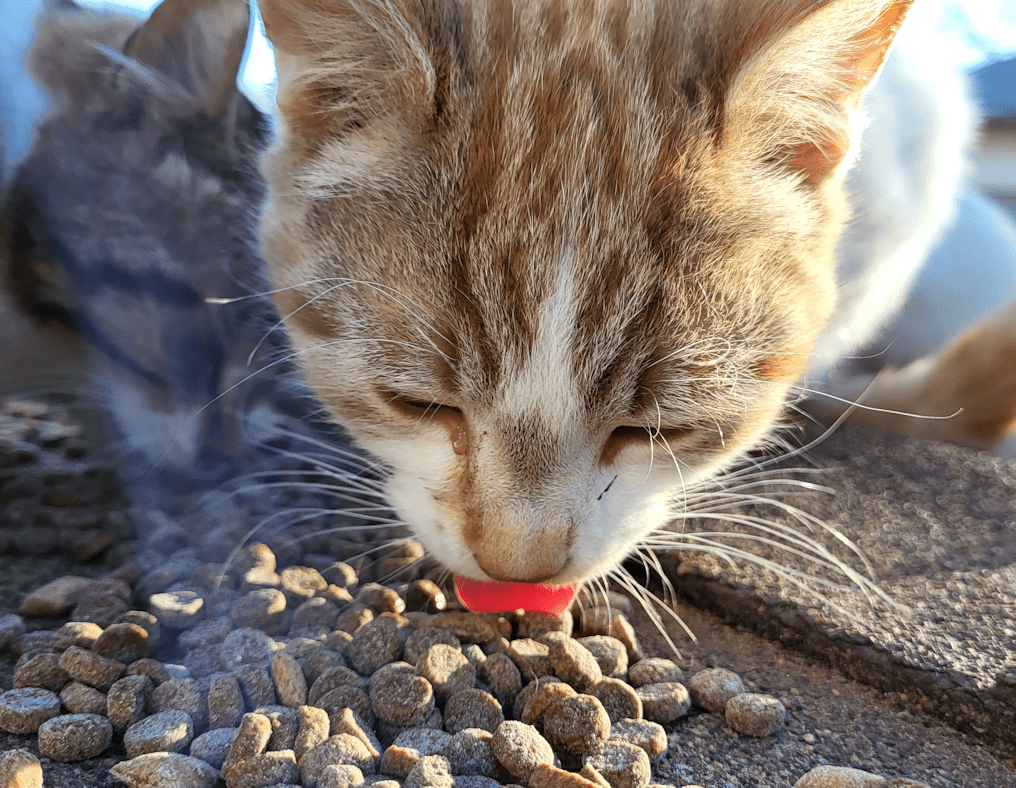
Would you look at this adorable boy?
You can see the mix of orange and grey fur that, in some lights, make Pinky’s fur look pink! He was eating like he was starving. He’s among the cats that don’t hang around quite as much anymore, and I suspect that by the time he does show up, most of the kibble is gone.
I am now sure about how adding the lysine powder to their kibble is working. There is, of course, no way to control the dose. Gooby (in the background) does actually seem to be less gooby. Of all the outside cats, he was the one that had the stuffiest nose and… well… there’s a reason he’s named Gooby! The other cats were never quite as bad, but some had issues with leaky eyes. As you can see, Pinky’s eye is leaking a bit, but it doesn’t look like he’s got problems with it. So… I guess it’s working? Talking to the Cat Lady about it, she says they would likely be worse without it. These respiratory issues are a major problem with all the outdoor cats in our province. We actually don’t have it as bad, simply because of the distance between other farm colonies. Not as much opportunity for cross contamination.
While doing my rounds, I also set up and prepared to work on the old kitchen garden, and also did a bit of clean up. Look what I found!
In cleaning out the retaining wall blocks, I uncovered quite a lot of chives that were completely hidden by last year’s detritus. The rhubarb in the photo is from the patch next to the chives and were easily visible. The patch at the opposite corner was completely covered, but when I raked up last year’s dead litter, I found there is a whole lot more coming up there!
I also cleaned up where the 50+ year old asparagus is, but there’s no sign of anything there yet. Very few spread show up when they do, and we just leave them to grow into ferns. Nearby is a patch of some kind of lily, which is showing little green leaf tips. Unfortunately, the invasive periwinkle looks like it’s already growing! I’m going to try and pull some of that up, so it doesn’t choke out everything else. I know we’ve lost this battle, but I want to at least keep them somewhat at bay.
I’ve received the last of my shipping confirmations. Our package of raspberries are still listed with May 8 as the expected delivery date, while both the trees and the potatoes are expected to arrive on May 9. Since these will be labeled as live plants on the packaging, I will not be surprised if they arrive by the end of this week. The post office does seem to prioritize living things for delivery! Either way, we need to be ready for them.
For now, though, I need to de-cat myself, head outside, and get some work done!
Today, I went through my bin of seeds for direct sowing, pulling out the ones that can be sown “as soon as the ground can be worked” or before last frost.
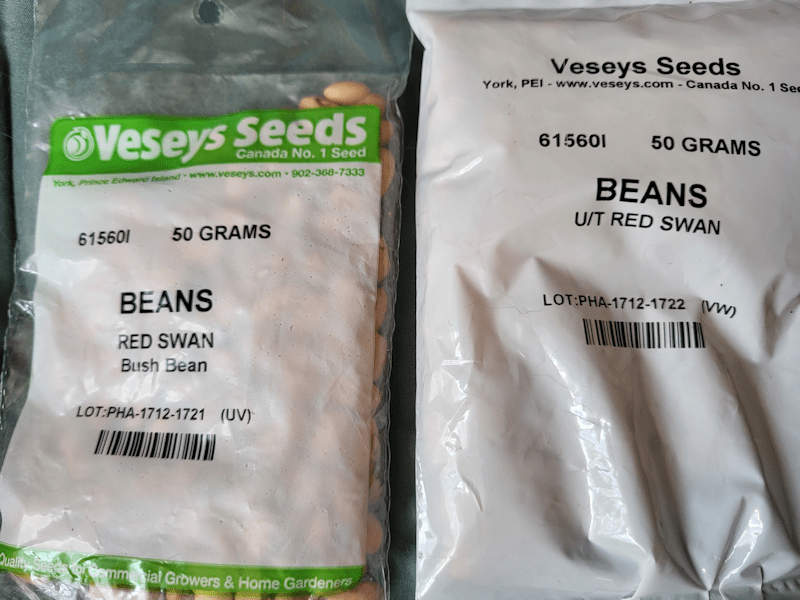
I also made sure the back ordered bean seeds I picked up in the mail yesterday went in with the other beans.
Which is when I discovered something.
I already had some.
The Red Swan beans were not the back ordered beans I was waiting for! I checked my order confirmation emails and saw that I was supposed to get these.
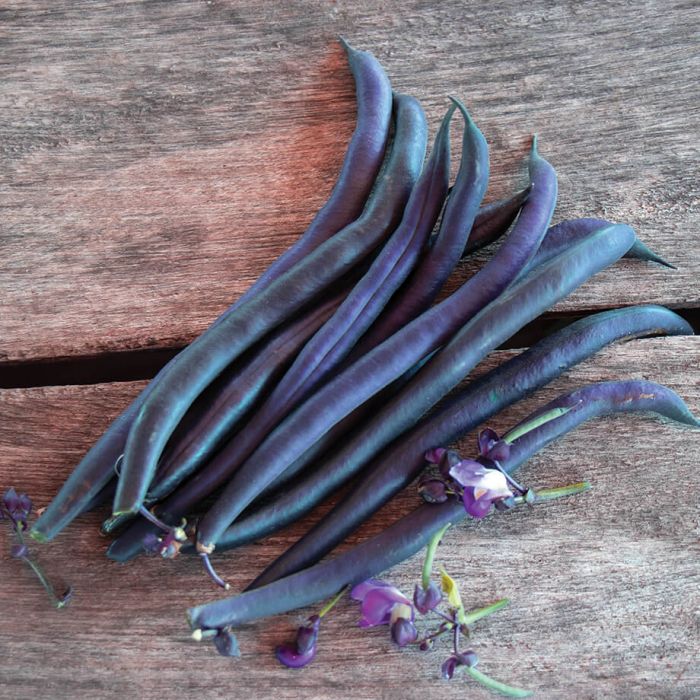
These are the Improved Purple Queen that had been back ordered. From the website:
Spectacular colour! Purple Queen produces high yields and has amazing flavour. While also resistant to cool conditions, Purple Queen matures early and holds its colour in cool conditions making it the perfect bean for home gardeners. Be sure to watch the bean turn from royal purple to luscious dark green as it is being cooked. Resistant to Mosaic Virus. Maturity 52 days.
The Royal Burgundy bush bean we’d grown two years ago was no longer available, so we got this one instead. I wanted a purple bean. So we now have yellow, green and red beans, with a purple on the way. Once I realized a mistake had been made, I emailed Veseys about it, and I already got an order confirmation for the right seeds! Veseys is great for responding to emails. We’ve had an error like this only once before, and they are very fast about fixing things. I’m quite happy with them, that’s for sure.
Interestingly, I just looked at their bush bean collection and found it says the Red Swan bean in the collection is a substitute for the Purple Queen, which is not available for 2023. Looks like they now have Improved Purple Queen, instead.
So that is taken area of.
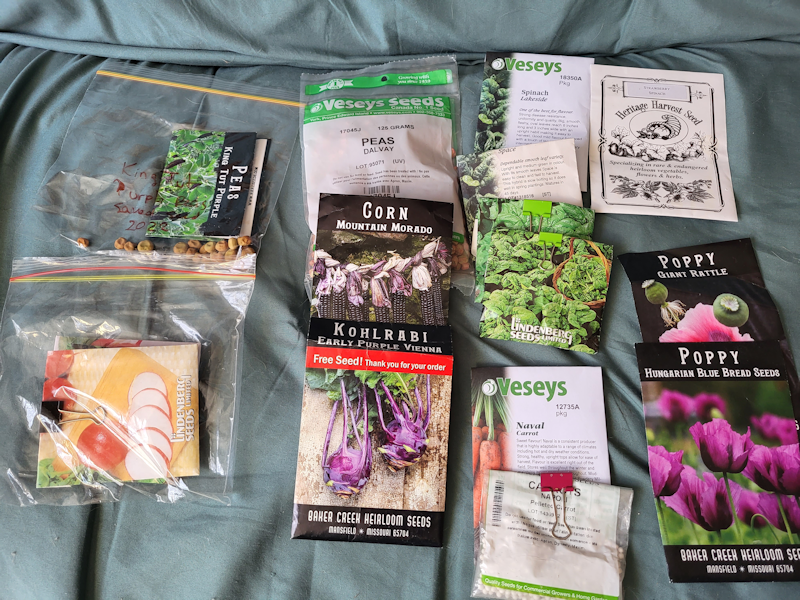
Meanwhile, these are the seeds I have that can be planted before last frost.
Of these, the Mountain Morado corn can be planted 1-2 weeks before last frost. The peas can be planted in mid-April or May. Everything else can be planted as soon as the ground can be worked.
I won’t be doing the kohlrabi. Every year we’ve tried them, we’ve had nothing, and I don’t know why. I do want to grow them. Just not this year. The radishes probably won’t be planted, but if I do plant some, it will be just a few seeds for plants that will be grown for their pods. I’m still curious to try them. We are not big fans of radishes, but I want to see if we like the pods.
The rest, we shall see when and where we will be able to plant things. I still don’t know where to plant the two types of poppies or the strawberry spinach. They will be treated as perennials and allowed to self seed, so they need permanent locations, and the two types of poppies need to be well away from each other to avoid cross pollination. I’ll figure it out.
The main thing I want to plant as soon as possible are the Naval carrots. The Uzbek Golden carrots are described as a cool weather carrot, but there is nothing about planting before last frost, so I will wait on those. I still have the pelleted Napoli carrots, from two years ago. That summer, they were repeatedly eaten by groundhogs and I finally gave up on the bed, only to discover they still managed to produce. They were quite good. If I have the space, I do want to try them again. As for the Naval carrots, I decided to make seed tape with them. I’ll include that in a video I will be making tonight, along with how prepping the low raised beds went. Hopefully, I’ll have a relatively short video ready for tomorrow.
Things are supposed to cool down for the next little while, and we may actually get rain tomorrow or the day after! So I’m not in any rush to get seeds in the ground, but I do want to get as much space ready for them as I can.
It may be the end of November, and I may still be sick, but I can still do at least some garden things!
I got two seed orders in today. This first one is from Heritage Harvest Seed. We ordered from them last year, and I was very happy with them. Plus, they grow their own seeds, and are located even further north than we are, so we can be assured that, barring unusual circumstances (like the flooding we got in 2022!), anything we order there should be able to grow where we are.
Though we do still have seeds leftover for some things, I went ahead and ordered a number of things we ordered last year. Among the things I have re-ordered are: Tom Thumb popcorn seeds (we got none last summer, due to flooding, so for 2023, these will be planted in a completely different location, in a raised bed), Little Finger Eggplant, Canteen, Apple and Yakteen gourds, and Zucca melon (because I’m a sucker for punishment and determined to grow more gourds), Styrian hulless pumpkins and Boston Marrow. I am also getting Georgia Candy Roaster. Last year, we ordered those from Veseys, but I want to try Heritage Harvest’s seeds this time.
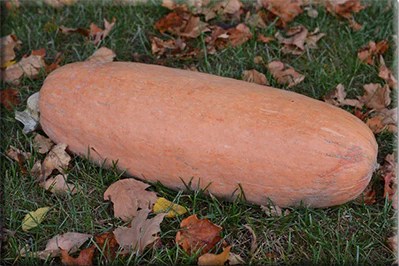
Gotta love that name! I wanted to order these last year, but they were out of stock when I was placing my orders. I wanted to make sure I had some seeds for this year. According to the description, they are great for soups and roasting.
My older daughter requested we try salsify, because it apparently tastes like seafood. More specifically, according to the description, this variety tastes like oysters. Apparently, they can be very difficult to harvest and break easily, so she plans to grow them in something deep, like garbage cans (we have a remarkable number of garbage cans around here), so they can be just dumped out to harvest.
Last year, I was torn between ordering these or another type, so I’m trying these ones for 2023. They are noted as being a good storage variety. There are only 50 seeds per packet, so I ordered two.
We’ll be ordering a lot of different onions for 2023. We just can’t seem to grow enough of them!
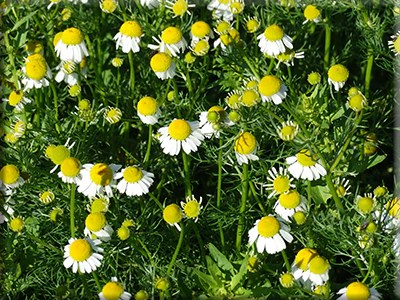
Lawn chamomile grows wild where we are, but this is the larger type that is what you would find in the chamomile teas you buy in stores. Over time, we will be planting a tea garden, and this is our first start!
I’ll be doing an assessment of our 2022 garden later, but we had a lot of failures, especially with the squash. It is unlikely we will have the level of spring flooding we had this past spring again next year, so I hope things will have a better chance of surviving. I was really looking forward to trying the different varieties of winter squash we’d planted, but we’ll just have to try again!










 The Re-Farmer