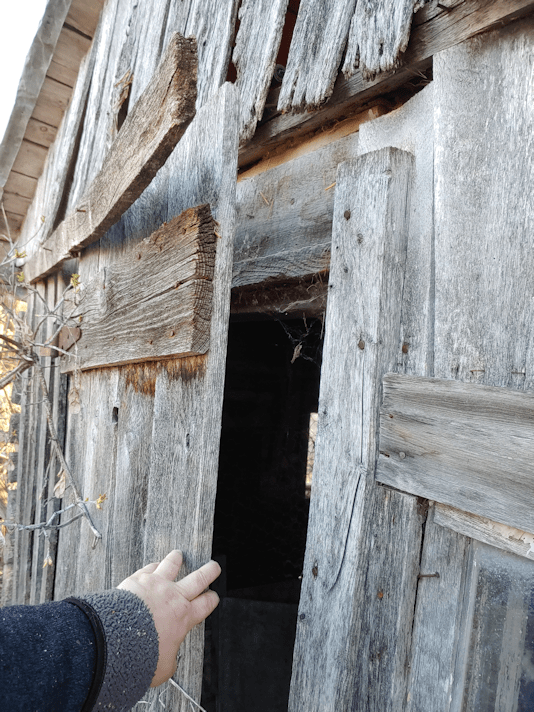
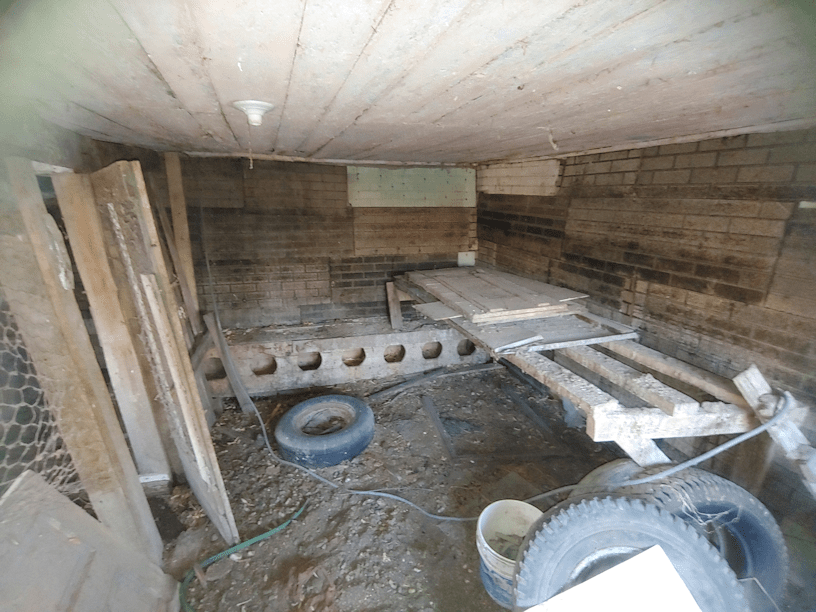
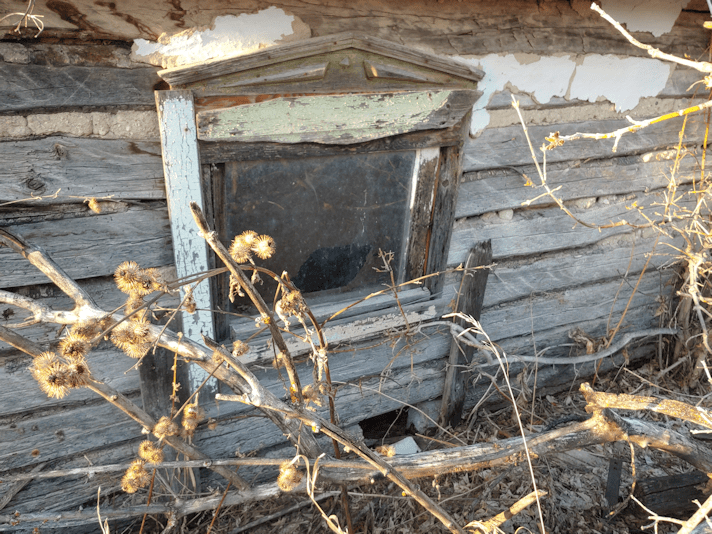
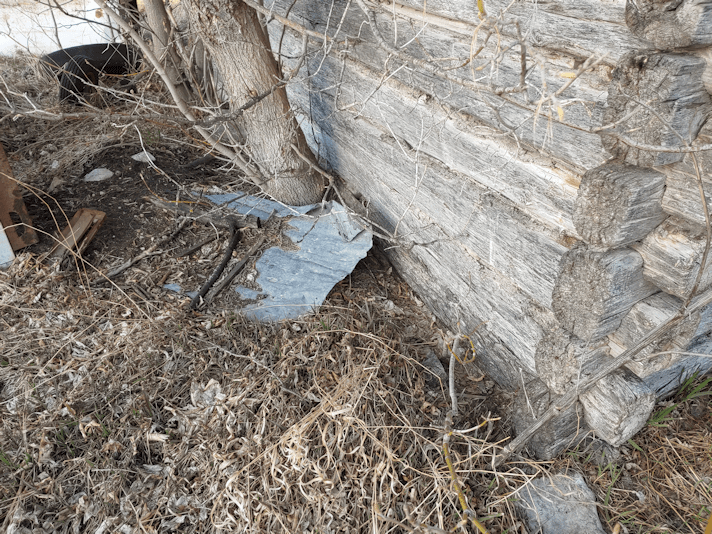
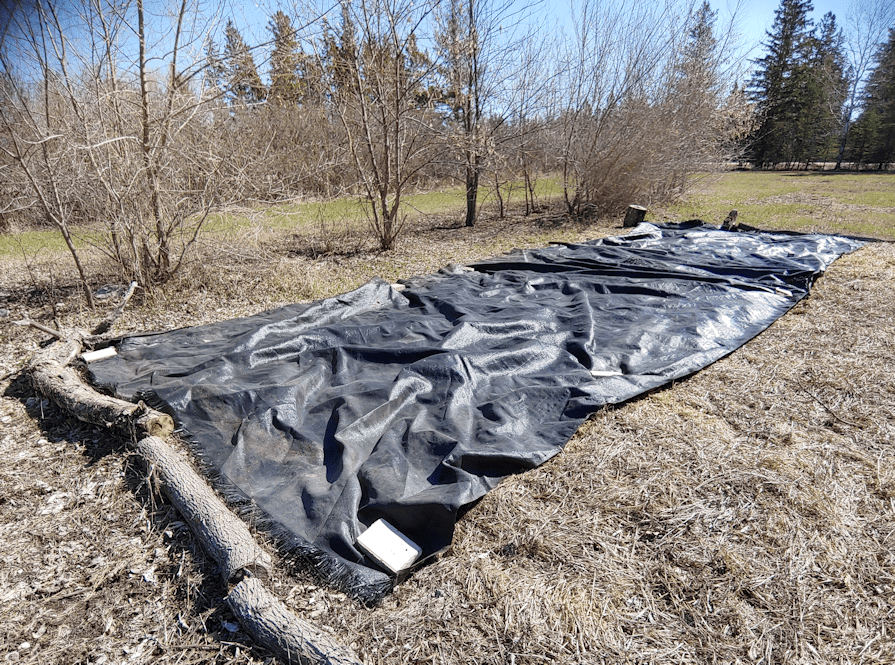
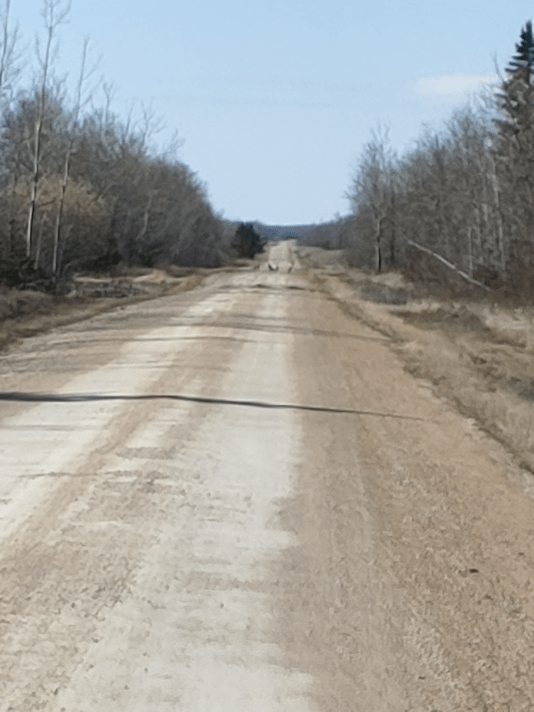
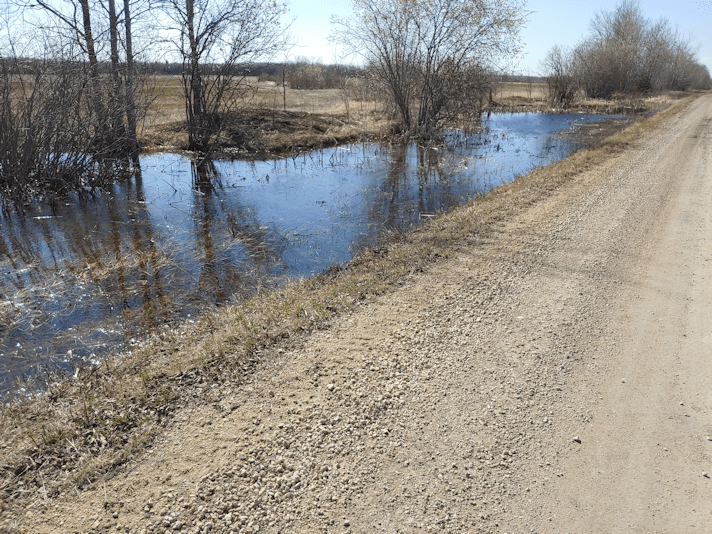
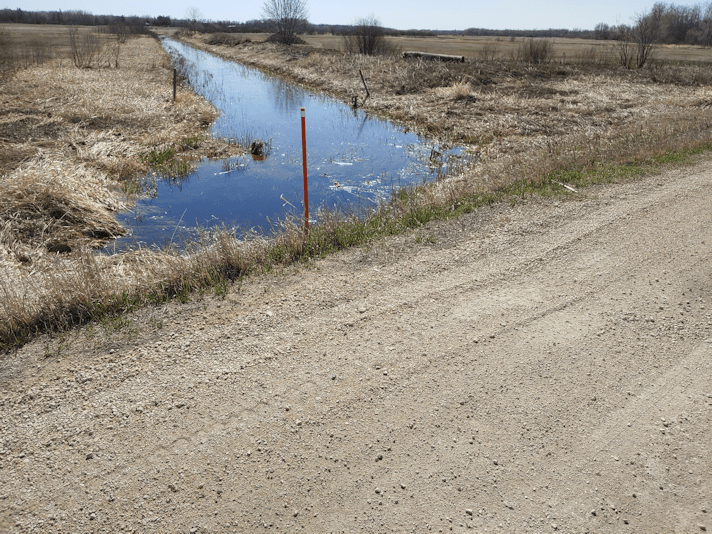
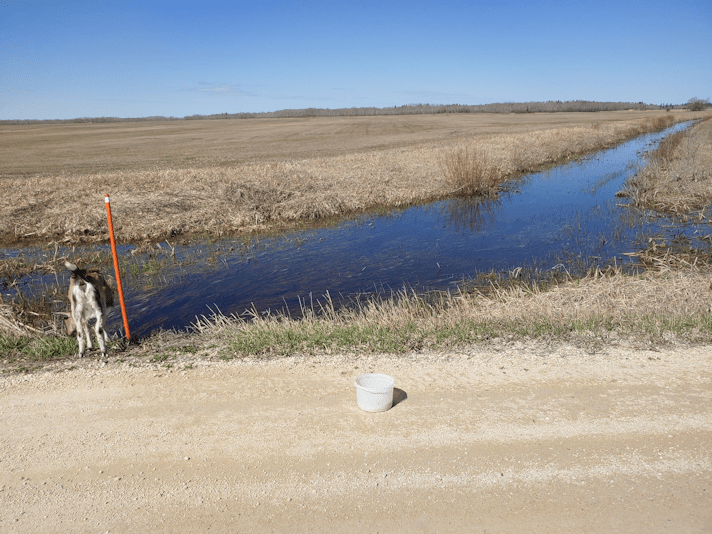
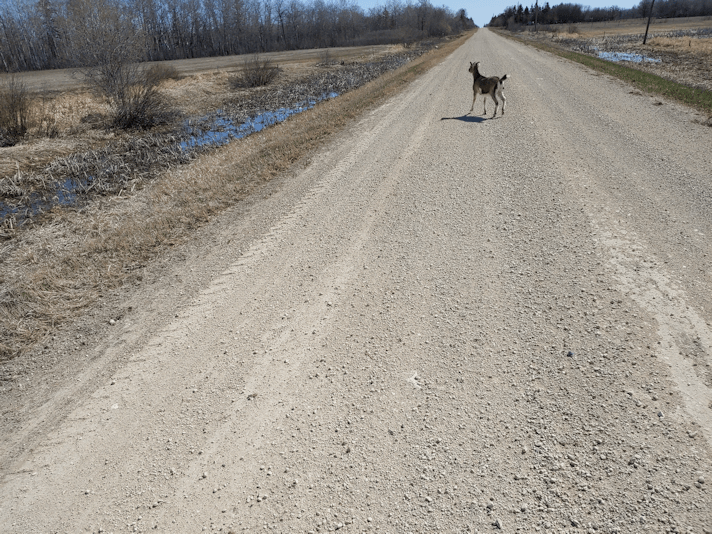
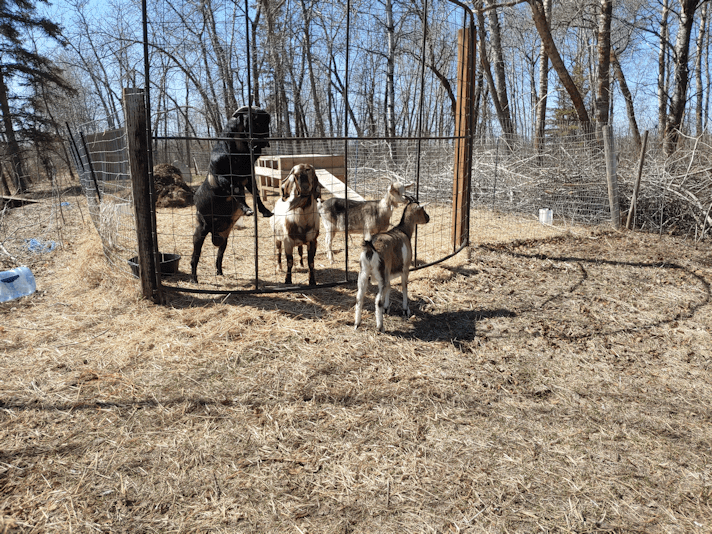
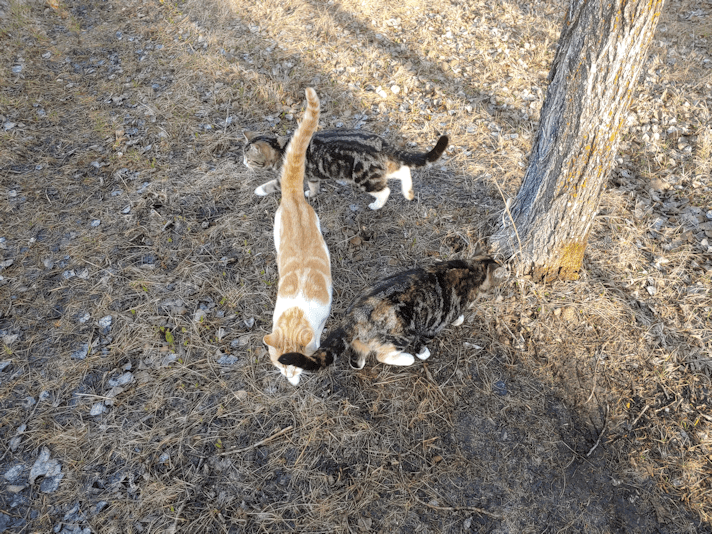
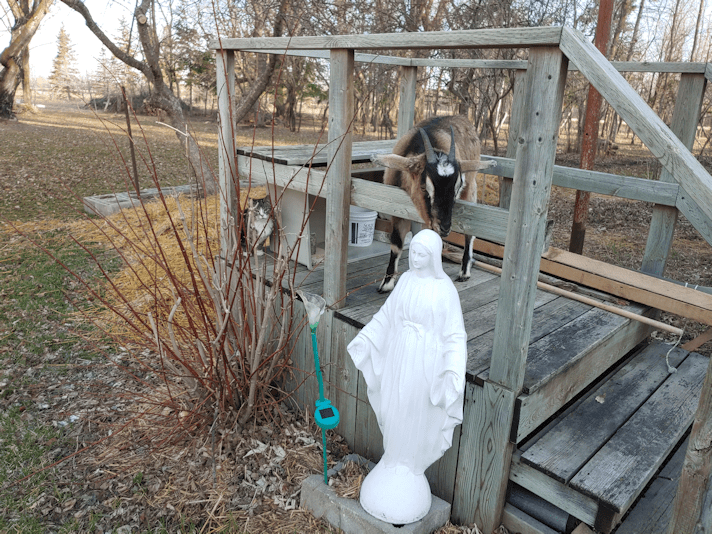
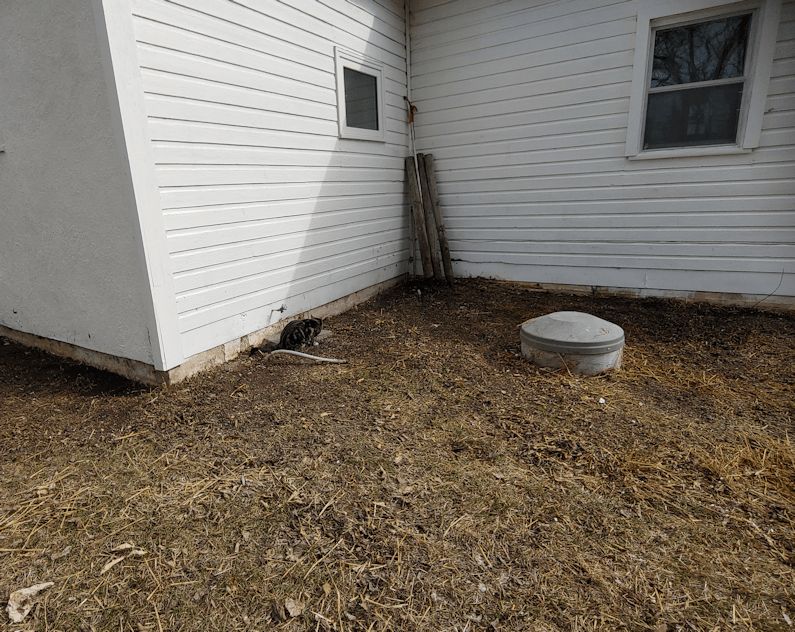
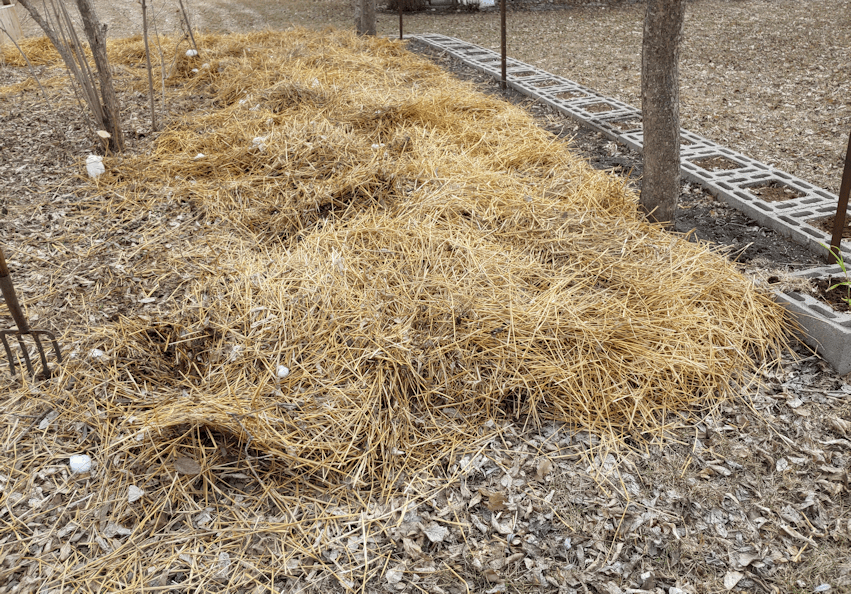
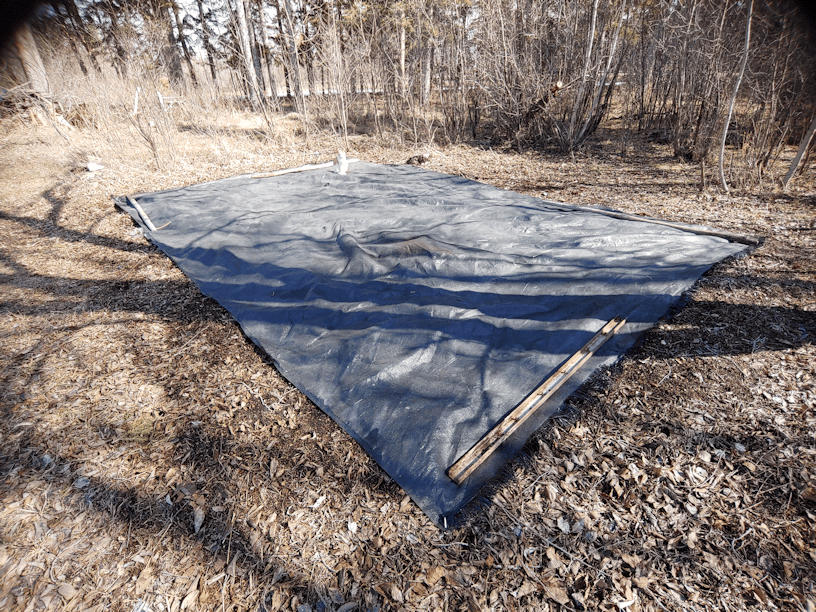
While doing my rounds this morning, I was able to take a closer look at the bird bath.
Throughout the winter, when chipping ice out to add water, I’ve been very careful not to touch the bird bath itself. It already had cracks showing on it, and now that the ice is melting away again, I can see that at least one has gotten worse. I’m sure my ice chopping didn’t help. :-D
Yeeeaaahhh…. I’d say the bird bath is toast.
The kitties still like it! :-D
Since completing my rounds outside, it has started to snow. A gentle snowfall, just enough to start coating the trees again. It won’t last long. Looking at the long range forecast, we’ll be staying above freezing every day. By Sunday, we’re even supposed to hit 10C (50F)! It’s going to get muddy out there, but I’m looking forward to the warmth, and the snow melting away enough to be able to extend my rounds again.
The girls and I have decided it’ll be worth heading to the city to try and do our monthly shop, though I expect we’ll split it again, make a smaller trip and go back again later in April.
I should try and find some rubber boots again. Last year, I couldn’t find anything that would fit over my burly calves. :-D
Today, it was back to the old basement to finally do something about the old hot water tank that died on us, shortly after we moved here.
A job that didn’t go as well as I’d hoped in some ways, while better than I hoped in others! :-D
Here is the state of the tank, before I started.
You can see that the bottom of the tank is quite rusted out and falling apart. The top, however, is still quite secure. It’s held in place by 4 screws, so I thought I’d try to take those off, first.
The first challenge was to figure out what type of screwdriver to use. They were so full of grit, I at first thought I’d need a star tip, but after digging some crud out with the tip of a box cutter, I discovered they needed a square tip.
Not that it mattered. The screws immediately stripped, as soon as I tried to loosen them. They weren’t going to move.
I was able to get the access panels on the side off easily enough, since they were barely put back on before the tank was moved.
I should note that yes, I was wearing safety gear before I started.
The bottom came off quite easily, and all sorts of rotted insulation and rust started to fall out!
I had a box ready for the smaller pieces of metal, and garbage bags for the insulation. I was using the old ash shovel as a dust pan as I swept up the smaller stuff, trying as much as possible not to kick dust up. Impossible, of course, but I could at least minimize it a bit, and using a shovel for a dust pan gave me a bit of distance as I worked.
Then, I took out insulation through the access panels. It wasn’t as rotten, higher up, but still…
… lots of rust on there!
I then had a couple of problems to work around. The screws on the top weren’t going to come out. I even tried a crow bar, but couldn’t get the leverage. The tank has a seam that I hoped to pop open, but that was more solid than the rest of the tank. Even if I opened it, though, it would hang up on the drain pipe near the base.
Then I remembered something.
In my late brother’s work shop, which we are now using to store all my parents’ stuff as we clear out the house, we found a pair of cutters. My oldest bother spotted them and told me they were sheet metal cutters. So I brought it to the house, and my husband sharpened them (they really needed a sharpening!).
They cut through the metal beautifully!
Cutting where the access panel openings where made it much easier. I also cut to the drain pipe so the metal could be pulled up around it, as well as going as close to one of the screws in the top panel as I could.
After yanking on it a bit, the outer shell panel broke free from the top cap and the whole thing popped open!
So. That’s what it looks like on the inside!
The next while was spent removing more insulation, taking off the springs that held the bands in place, and pulling out some of the wiring. I was also able to basically tear off the cap without any extra cutting near the screws. The metal of the shell tore pretty easily at the screws, once it started to open up.
In the process, I discovered a problem.
That cylinder is where all the weight is – and as I manhandled it, I could hear water sloshing inside! Yes, we let it drain before it was removed, but there’s no way to get all of it out completely, without cracking it open somehow.
This thing is heavy, and I needed to get the stuff out from under it. There wasn’t a lot of space to work in, either. (You can see the box with the new well pump waiting to be installed, and the jug of water that was intended to be used to prime the pump after installation.)
The first thing to do was clean up as much of the insulation as I could, then try and get the bands out from under it. I was able to get the bottom band out, a little at a time, but would not be able to do the same at the top. I had somewhere to grip and lift the bottom, but nothing to grip at the top. The obvious solution would have been to stand the cylinder up and move it off the shell, but there was simply no way to safely grasp the rounded top and lift that much weight.
I might not be able to stand it up, but thanks to that very strong drain pipe at the bottom, I could drag it!
And this is as far as it’s going to get for now!
I honestly don’t know how we’re going to safely get it out of the house. I had hoped that taking it apart would reduce the weight more than it did, but I probably took of maybe 10 pounds of material, in total. That’s barely noticeable.
As for the shell…
I could now remove the top band and use the shovel and broom to get rid of the majority of the insulation that had been crushed under the cylinder.
Then, I folded it.
And squished it.
Into a nice, flat pancake that could easily be moved.
It was very satisfying! :-D
The parts and pieces will be taken outside through the new part basement, with its safer stairs that are right next to the entryway door! But not until more of the snow has melted and we can reach the junk pile.
Next, I had to carefully clean up the dust and rust underneath. I wanted to make sure as little as possible could end up washed into the sump pump reservoir. I do NOT want this stuff clogging up the pump!
In the end, I used a wet mop to pick up as much as I could, because sweeping was just kicking up way too much dust.
I am so glad I was able to find these thicker masks at the pharmacy, before everyone went crazy and bought them all up. This is actually my second mask. One of the elastics broke on the first one. I have no more. I do still have some dust masks I’d found in the hardware store, but they’re not as thick as these ones.
Once I finished cleaning up the mess in the basement, I proceeded to take a shower, then put my clothes in the wash. Fiberglass insulation dust can be dangerous stuff. Especially when it’s as old and rotted out as this stuff was. When it comes time to take the garbage bags of insulation to the dump, I’ll have to make sure to keep them separate, so they go to the proper disposal area, and not with household garbage. I’ll also have to double bag them.
For now, I’m glad that the space in front of the pumps and tanks is finally clear of this thing. It’s been there for over 2 years! :-D It’ll make it much easier for when the well pump gets replaced.
I’m looking into finding a filter to install between the well and the pump. Or pre-filter, these are apparently called. I’ve found several kinds, but I can’t tell if they are suitable for use with a deep well pump, rather than a shallower well pump. The problem is that the deep well pump has two hoses, one above the other. From the looks of how they are installed, the second hose would be in the way. It would be good to use one, though. They are designed just to filter out the bigger stuff, and should help extend the life of the pumps and tanks. I’ve sent some links to my older brother, who knows this system better than anyone, and hopefully he’ll be able to tell me something, one way or the other. Or, perhaps, inform me of something better to use.
At this point, I’ve done almost as much as can be done in the old basement. The other things that need doing are little things, like getting plastic utility shelves to replace the wood shelves on bricks, and organizing.
Which means we will now work on the new part basement.
Oh, that reminds me. I was chatting with my brother about the clean up I’d done so far, and commented on the collection of car batteries down there. I said that, unless he knows if any of them are still usable and he wants them, I would probably take them to the dump for proper disposal. He very adamantly told me not to do that. It turns out that these can be taken to a scrap yard, in the same way we plan to do with our aluminum collection. They will pay by the pound for the lead in them, and each battery can bring in quite a lot. He tells me that the amount of aluminum we have is probably enough to make it work taking in.
I figure we can do that in the spring. Anything we get from the aluminum or the batteries is going to go into a tax free savings account we set up for our contingency fund, and the money will go to replacing the roof.
It’ll take a while. Based on the two estimates we got, and assuming that they will find rot under there, we’re looking at $10,000 we have to come up with. Assuming no emergencies happen before then. :-(
Ah, well. For now, we just deal with what we can.
Like figuring out how to get that beast of a cylinder out of the basement!
I went into town today, driving my daughter to work. We got there at our usual 10-15 minutes early, but there were already several cars in the parking lot, and people standing by the doors. I’ve seen this before, but not with so many people. Weird.
Since I was in town anyhow, I made a quick run through the grocery store. My husband was running out of brown rice (he’s the only one who eats it) and the girls were running low on lactose free milk. There was plenty of milk, but almost no rice of any kind at all. Oddly, there were no potatoes, squash or onions. Entire sections of fresh produce were empty. I find myself thinking there are other reasons for the stuff to be gone, besides more panic buying. There was no shortage of bread or meat on the shelves, but they haven’t restocked in things like flour, sugar or yeast yet.
Still no toilet paper, either.
Thankfully, we are not in any need of these items.
Once at home, I did a couple of different breads. One was a sourdough soda bread from Alaska Sourdough, the cookbook that got me into sourdough many years ago, though I acquired my own copy much more recently.
This recipe uses 4 cups of sourdough starter, along with oil, sugar, salt and baking soda. I tried to get a video of the chemical reaction when the baking soda (mixed into a “jigger glass” of warm water) is added, but it just couldn’t capture how the mixture just… foams. It’s really quite fun to watch!
The recipes in this cookbook are hand written, and in this one, the instructions forget to mention when to add the salt! I just add it with everything else, before the soda and flour are added.
The recipe also said to use 8 – 10 cups of flour.
Eight to 10??? What’s with all these recipes that use huge amounts of flour? I barely got 3 in. I’d wonder if my sourdough starter is too thick or something, but it’s the same with non-sourdough bread recipes, too. I know we’re really dry here, this time of year, but it shouldn’t make that much of a difference!
This recipe requires just one rising, so it got shaped into loaves right away and I left them in a warm oven to rise while I made another double batch of my seedy bread. I ended up making it into a bunch of mini-loaves this time, just for fun. By the time that bread had its two risings, and finished baking, the sourdough bread was ready to go into the oven.
They came out so pretty!
While I was working on that, my other daughter came down for a break and let me know her sister is now working in a tent.
A tent?
The cash desk now has a plastic curtain around it, to protect the cashiers from plague customers who won’t keep their distance. It hangs from the ceiling, and is Tuck Taped to the counter, with windows cut into it to reach products for scanning. The pharmacy counter has its own plastic wall, with a slit for the pharmacists to go in and out at one end, and a slit at the pick up counter. Customers, apparently, are still trying to stick their faces right up to the openings.
People suck, sometimes.
After I picked my daughter up at work, she needed to go to the grocery store, so we swung by on the way home. Some of the empty produce displays were no longer empty – there were onions again, though not many. Still no potatoes or squash. So very odd!
As we were going through the till, I couldn’t help but comment to the cashier about how nice it must be, to be able to clean the belt more often. She confirmed that, yes, it is! She was quite enjoying the cleanliness. Customers still try to shove things onto the belt, but at least now the cashiers are allowed to tell them to stop, so the belt can be cleaned. I remember only too well how difficult it was to keep things clean in between costumers, when I worked as a grocery store cashier!
They’re also back to single use plastic bags. This franchise had only recently made such a big deal about no longer having plastic bags and encouraging people to bring, or buy, reusable bags. Now, if people bring their own bags, they have to pack them themselves. It’s long been known that reusable bags are very unsanitary, but it took the Wuhan flu for that to finally be taken seriously. :-(
Well, we’ll be able to go back to staying home for the next few days. No plague people hiding among the deer that visit us. There is plenty to keep us busy! The only thing I’ll need to remember to go out for is to get the mail, since I’m expecting my seed order to come in soon. I look forward to starting some of them indoors.
Oh, I also broke down and ordered a bottle cutter. This is not something we can find locally. I chose a type that can cut square bottles, as well as round. I look forward to using it to help make bottle bricks! Since I already know we plan to make the walls on our cordwood practice building 8 inches think, we can get a head start on making these.
Also, my daughter found a really nice recipe for no-knead Focaccia that I think we’ll be trying out tomorrow.
Among the many things we are interested in doing in the future is making cheese.
We already make yogurt cheese (see here and here) whenever we make yogurt, which can be used right away, but we’re interested in making cheeses that need to be aged.
Which requires a place to age them. Like a cheese cave.
Well, we do sort of have a “cave” in the basement. The old root cellar.
In the research I’ve been doing (watch out for a future “Recommended” post for a home cheese making resource!), the aging cheeses need temperatures and humidity to stay within a certain range.
I don’t know that our root cellar has that range. For starters, I think it might actually be too cold, but that can be helped with appropriate insulation. I think our greater challenge will be the humidity.
Since this is not something we’ll be able to do for quite some time, that means we have time to gather data.
Which begins today.
I went to pick up a cheap thermometer at the dollar store and found a hydrometer right next to it, which was great, because I didn’t even think of such a device existing. At least not in household form. These are not mounted just inside the door of the root cellar. This is probably the warmest part of the room, but the best location for hanging them. Ah, well.
As you can see, the temperature gauge had already dropped quite a bit.* The humidity is about the same as it was upstairs, so I don’t know if that was the actual reading, or if it still needed time to adjust for the new location.
There were already huge nails hammered into the floor joists of the entry above (I’m finding nails like this all over the basements, garage, sheds, barn – anywhere there is wood, there are nails hammered in for hanging things), so I used one that was accessible, but still out of the way enough to not bash my head, for the clip board. I printed out some chart sheets to record date, time, temperature and humidity. The plan is to come down here once a week, at different times of the day, and record the gauge readings.
This would be why it’s so cold in here. This vent duct goes directly outside. The only thing at the end is a screen to keep the critters out. While I was down there, I felt an actual wind coming through this duct.
Over the next year, we will get the weekly readings and slowly empty the room out and give it a good cleaning. I figure, in a year we’ll be able to chart the data and use that to determine how much would need to be done to make it functional as a cheese cave, or if we have to go with something else. Like a modified refrigerator.
If the room turns out to not be appropriate as a cheese cave, I already know it works well as a root cellar. :-) So either way, it will be used in the future!
The Re-Farmer
*edit: for some reason, my brain just assumed that, like every other thermometer I’ve seen, the 0C was at the top, so when I looked at it, I saw 2C instead of 12C!! Which is a bit of a relief, because while the temperature did continue to drop, it was not as severe as I originally thought.
Welcome to my “Recommended” series of posts. These will be weekly – for now – posts about resources I have found over the past while that I found so excellent, I want to share them with you, my dear readers. :-) Whether or not I continue to post these, and how often they are posted, will depend on feedback. Please feel free to comment below, and if you have a favorite resource of your own, do share, and I will review them for possible future posts.
I hope you find these recommendations as useful and enjoyable as I have!
Since we decided to try our hand with some cordwood practice buildings, starting this summer with what will be an outdoor bathroom, I’ve been doing a fair bit of research. I’m learning that this building technique has had some modern changes to it that have greatly improved the final result.
One thing I found, as I did online searches, what that time and again, I kept finding myself back at one site. Cordwood Construction: The Essence of Cordwood Construction. There are many, many sites, blog posts, videos and books about the technique out there, but I’m not finding anything else more informative and practical. There is so much information at the site – even house plans! – one could easily spend many hours there. (I’m loving their post about cordwood flooring, too!) Their blog seems to be kept up quite often, too. They also have a Facebook group, bookstore and newsletter.
They do have a YouTube channel as well. There are not many of their own videos there, but if you check their playlist tab, you’ll find lots more videos.
The information they have is very hands on. I find myself wishing I could attend one of their workshops but, alas, they are too far away.
They also get right into the basic, essential details in a way that is so very helpful.
My previous experiences with cordwood (aka stackwood) construction are historical buildings, and this resource is where I first heard of using an inner layer of insulating material between outer layers of mortar. It’s also where I first encountered the notion of bottle bricks, outside of Pinterest images that led to nowhere useful.
They provide so much basic information that I really feel that someone like me, who has never built anything major before, can do it. I’ve already downloaded their shed plans ebook, and it is so very thorough! I plan to rely on it heavily, and I’m downright excited about building some practice buildings over the next couple of years. Who knows. A few years from now, we might be using the technique when it’s time to build a barrier free house for myself and my husband!
Obviously, this is a resource useful for someone who is – or hopes to be – in a position to construct their own cordwood building, but I think the technique itself is a sort of “lost art”. Given some of its many advantages, which include lower costs, being fire retardant, and more “eco-friendly”, I think this is a building method that deserves a resurgence. Resources like Cordwood Construction are a fantastic place to learn more about it, and be inspired. Of all the other sites I’ve looked at, this one is, hands down, the best of the lot!
I’m really looking forward to putting what I learn from this resource into practice, and definitely recommend this resource for anyone to check out, even if it’s just to learn more about this fascinating building method.
Today, I was finally able to continue working on cleaning up the old part basement.
For those who are new to visiting this blog (Welcome! Thanks for popping by!), click here to read about what happened, and you can see the clean up progress here, here, here and here. (All links will open new tabs, so you won’t lose your place! :-) )
I’ve really been kinda dreading what I need to work on next, which is to start putting back some of the things I had to move out during cleanup, and try and figure out what to keep, what to store elsewhere, and what needs to be disposed of. Hopefully, I won’t be finding any more hidden “poison for tree” containers hidden somewhere!
The first thing I did today was move the blower fan to a different area, so I could do a bit more clean up in the last section I had worked on.
The photo on the left is how it looked when I last worked in this section. There was still a lot of dust and dirt in the area, but trying to sweep it did more to kick the dust into the air than get rid of it.
In the process, I discovered a light fixture hidden between two furnace ducts! I had to have seen it before, but simply forgot it existed. It’s very well hidden! (As an aside, I had my phone on one of the ducts near where I was working, held in place by the magnetic case, playing music. I later found out the girls could hear my music on the second floor, through the vents!)
There are so many odd little lights around this old basement. This half of the basement alone has one of two lights that turn on with the switch at the top of the stairs, one that has its own switch at the side closer to the new part basement, and one above the septic pump that has no switch. It is screwed in and out to turn it on and off. Now I find the light with the pull chain between the ducts, so that’s 4 lights on this side of the stairs. On the other side of the stairs is the other light that’s turned on by the switch at the top of the stairs, a light with a pull chain above the sump and well pumps, and another with its own light switch closer to the furnaces.
That’s a total of 7 lights in one little basement!
Anyhow. Where was I? Oh, yes. Cleaning.
I was even able to wash this section of wall a bit. The other walls were too crumbly, and the best I could do was sweep them gently, but this wall is solid. Since this wall is part of the original basement, but became an internal wall after the new part was added, it tells me that the crumbing of the exterior basement walls is probably due to all sorts of moisture from the soil around it.
Waterproof sealants probably didn’t exist when this basement was built.
As for the clean up today, this time I didn’t even try to use the mop bucket, and just set up in the laundry sink. That water got so black! Even after changing the water several time and rinsing the floor several times, it was still really filthy.
We’re not going to be able to use this mop anywhere else in the house anymore. :-D No amount of washing and rinsing of the mop will get it clean enough!
Once the floor was washed and rinsed as best I could, I set up the blower, then turned my attention to the two shelves we will be able to reuse.
I started by washing and scrubbing the shorter one.
I gave it a good scrubbing – after first removing the nails that were used to attach it to the pillar it was next to, originally – then flipped it upside down to do the bottoms of the shelves. You can see the water damage on the “legs” of the shelf, even though it was raised off the floor by bricks.
When this shelf was scrubbed and rinsed (and I took advantage of all that soapy water to mop that section of floor again), I dragged out the taller shelf.
It needed some nails removed before I could start cleaning it, too.
This one has less water damage on its bottom, but was a lot dirtier. The section of wall it was next to is crumbling a lot more than where the shorter shelf was set up. At least this shelf is a lot sturdier, which made it easier to scrub.
Once they were done, I set them up where the blower is aimed, on bricks to keep the air circulating.
Though we will be using these shelves, because we need to, it will be temporary. When we are able to, we’ll pick up some plastic utility shelves to use instead. No wood. No metal. Not for this area!
Once we figure out what goes where of the stuff that got moved out of the shelves, we plan to use them to store bottles. We’ve got a stack of bottles from hard apple cider that we’ve been accumulating over the past two years that will be used as bottle bricks when we do our cordwood practise building. There are also lots of other bottles and jars all over the place, and as we clean those up, we will set aside the one we want to use at bottle bricks as well, so we’ll have other colours as well as ones with no colour at all. The outdoor bathroom we’re planning to make as our first practice building is not going to have any windows in it. Bottle bricks will be used, instead, so all light while maintaining privacy. Whichever wall ends up facing south the most, will have the most bottle bricks with no colour in them for maximum sunlight.
Storing these in the old basement will also mean we’ll have access to water, and the old laundry sink that has turned out to be so very handy. The bottles and jars will need to be cleaned and sterilized before they can be made into bricks.
Little by little, it’s getting organized!
All of this took only about an hour, and it feels like I should have done more, but everything needs to dry before I can continue. Hopefully, I’ll get a bit more progress in tomorrow.
Now, before I forget again, I’m going to go back into the basement and get the dehumidifier that’s down there running.
I want to thank those who reached out to me after my post about the various situations we’re having to deal with on the property. Your kind words and encouragement are greatly appreciated. Thank you.
The night I wrote about all that, one more thing got added to the list.
Yesterday’s plans to take my mother to visit her sister at the nursing home changed. I got a call in the morning, because she was worried about the weather. It was blowing pretty hard, and she was concerned. We ended up postponing for now.
When doing my rounds this morning, I found some minor tree damage from the winds.